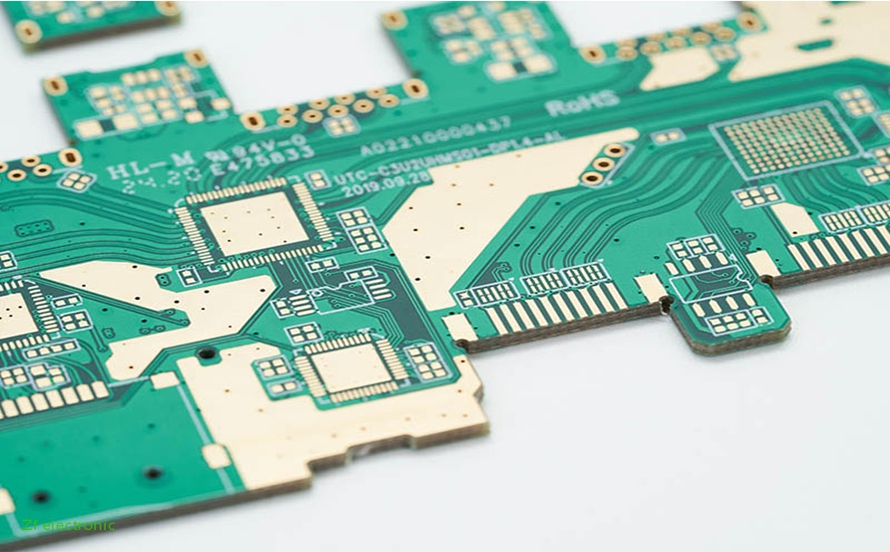
What Is a High Tg PCB? A High Tg PCB is a printed circuit board manufactured with laminate materials that have a higher glass transition temperature (Tg) than standard PCB materials. Tg is an important material parameter used to evaluate the thermal behavior of the resin system used in a…
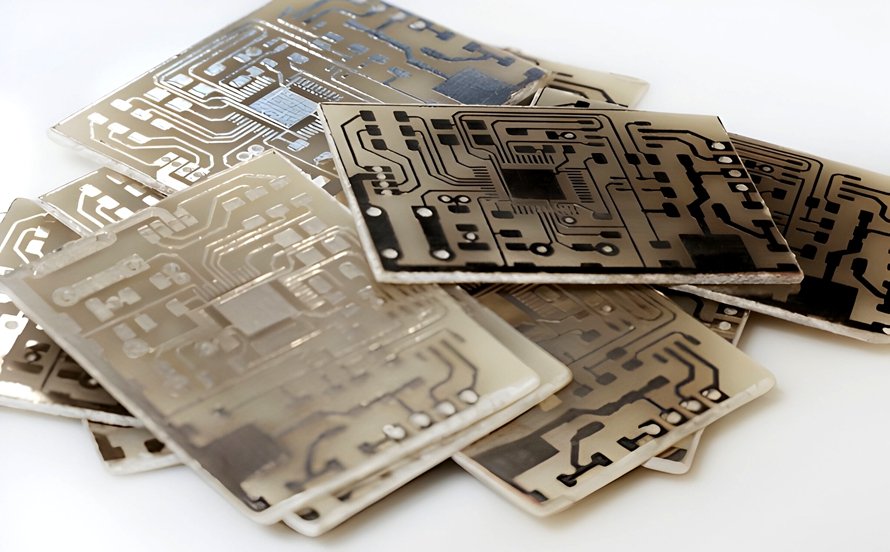
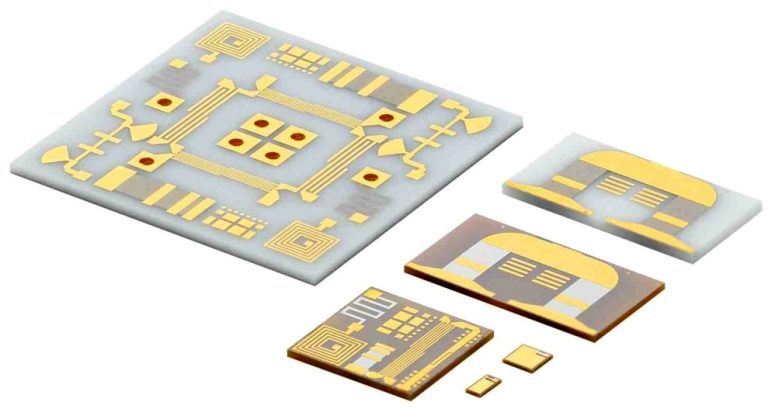
What Is an Alumina PCB? An Alumina PCB is a type of ceramic printed circuit board that uses aluminum oxide (Al₂O₃) as its primary substrate material. As one of the most widely used ceramic materials, alumina provides an effective balance of thermal performance, electrical insulation, chemical resistance, mechanical stability, and…
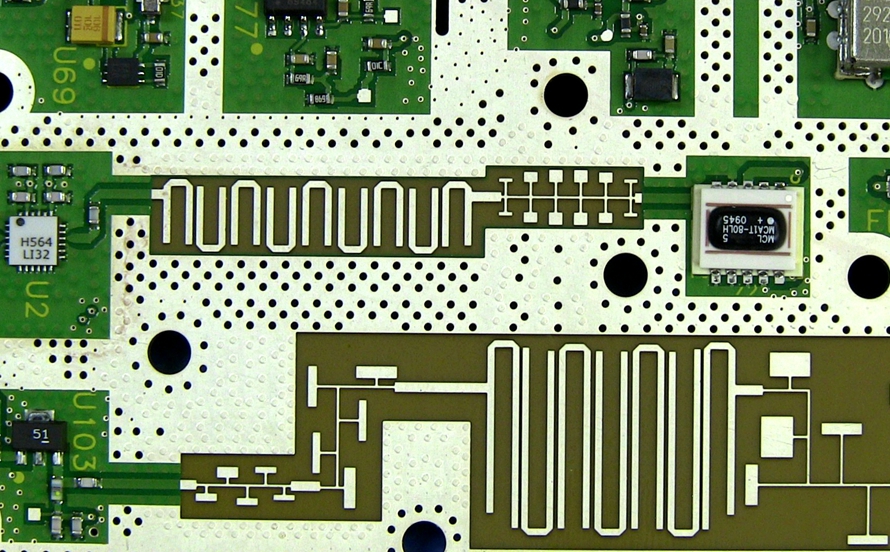
What Is a Teflon PCB? A Teflon PCB is a printed circuit board that uses polytetrafluoroethylene (PTFE)-based laminate as its primary dielectric material. Teflon is a registered trademark associated with PTFE products, while PTFE itself is a fluoropolymer known for its excellent chemical resistance, low friction, low moisture absorption, thermal…
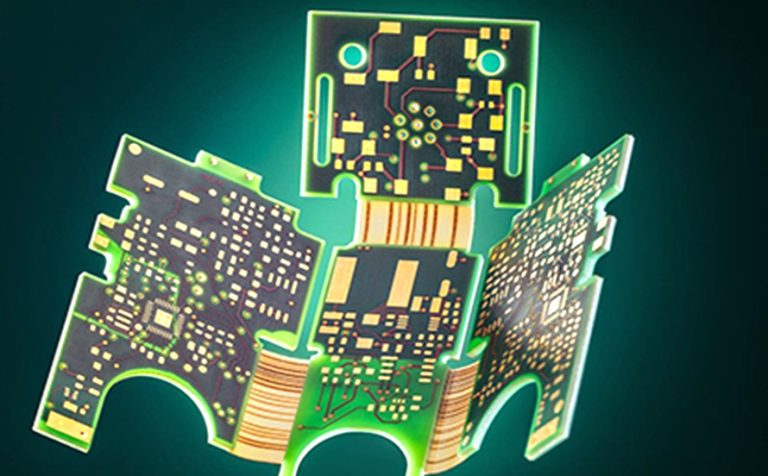
What Is a Semi-Flex PCB? A Semi-Flex PCB, also known as a Semi-Flexible PCB or FR4 semi-flexible circuit board, is a specialized PCB structure that introduces localized flexibility into an otherwise rigid circuit board. Unlike a conventional rigid-flex PCB, which combines rigid materials such as FR-4 with a dedicated flexible…
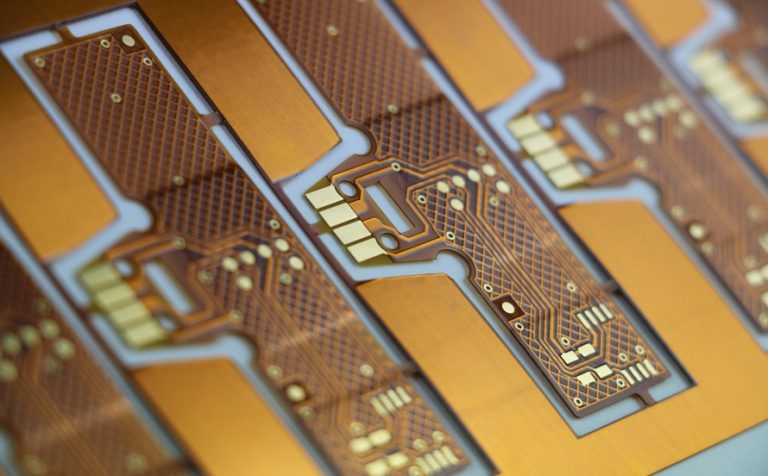
What Is a Polyimide PCB? A Polyimide PCB is a printed circuit board that uses polyimide as the primary insulating substrate or flexible dielectric material. Polyimide is a high-performance polymer known for its excellent thermal stability, electrical insulation, chemical resistance, mechanical flexibility, and relatively low coefficient of thermal expansion (CTE).…
A Ceramic PCB is a printed circuit board that uses a ceramic substrate instead of conventional organic materials such as FR-4. Ceramic substrates are valued for their excellent thermal performance, electrical insulation, dimensional stability, and resistance to demanding operating environments. Common ceramic substrate materials include alumina (Al₂O₃), aluminum nitride (AlN),…
Among the many materials used for printed circuit boards, FR-4 PCB is one of the most widely adopted choices. FR-4 is a glass-fiber-reinforced epoxy laminate system that provides a combination of mechanical strength, electrical insulation, thermal stability, manufacturability, and cost effectiveness. The term FR-4 is commonly associated with flame-retardant glass-reinforced…
A Bare PCB, also called a bare circuit board or unassembled PCB, is a fully fabricated printed circuit board without electronic components mounted on it. It contains the conductive copper patterns, dielectric materials, vias, pads, solder mask, surface finish, and other structures required to form the electrical connections defined by…
In high-speed electronic systems, maintaining predictable signal transmission is essential for reliable performance. As signal frequencies and data rates increase, PCB traces can no longer be treated as simple electrical connections. Their geometry, surrounding dielectric material, reference planes, and transmission distance all influence electrical behavior. A Controlled Impedance PCB is…
Reliable printed circuit boards are essential for the consistent operation and long-term performance of electronic products. Although Surface Mount Technology (SMT) has become the dominant assembly method for compact and high-volume electronics, Through-Hole PCB Assembly remains an important manufacturing solution for applications that require high mechanical strength, excellent durability, strong…