Electronic Design and Manufacturing Solutions
Developing a successful electronic product requires more than circuit design. It involves system architecture, hardware development, embedded software, mechanical integration, prototyping, testing, manufacturing, and quality control. GOPCBA provides integrated electronic design services to help businesses move efficiently from an initial concept to a production-ready electronic product.
Our development approach combines engineering expertise with PCB fabrication, component sourcing, assembly, testing, and manufacturing capabilities. This integrated model reduces communication between multiple suppliers and helps maintain consistency throughout the product development cycle.
Whether you are developing a new product, upgrading an existing device, or preparing an electronic design for mass production, GOPCBA can support the project through multiple stages of development.
What Are Electronic Design Services?
Electronic product design is the process of transforming a product concept or technical requirement into a functional, manufacturable electronic system. It typically includes requirements analysis, system architecture, schematic design, PCB layout, component selection, embedded development, prototyping, testing, and manufacturing preparation.
A reliable electronic development process must consider both electrical performance and production requirements from the beginning. Circuit functionality, thermal performance, signal integrity, component availability, manufacturability, reliability, and regulatory requirements can all affect the final product.
GOPCBA supports customers with an integrated development and manufacturing workflow, allowing engineering decisions to be evaluated with production requirements in mind. Our capabilities cover PCB design, PCB fabrication, component procurement, SMT and through-hole assembly, testing, and final product integration.
GOPCBA Electronic Design Capabilities
Hardware and Product Development
Hardware development begins with understanding the product’s intended application, electrical requirements, operating environment, and performance targets.
Our engineering process can include:
- Product requirement analysis
- System architecture development
- Circuit and schematic design
- Component selection
- Power supply design
- Digital and analog circuit development
- Interface definition
- PCB layout
- Signal integrity considerations
- Thermal and reliability considerations
- Design for manufacturing and assembly
The objective is to create a stable electronic design that not only performs its intended function but can also transition efficiently into prototype and production stages.
Embedded System Development
Modern electronic products often combine hardware with firmware and embedded software. The electronic system therefore needs to be designed as an integrated platform rather than as separate hardware and software projects.
Depending on project requirements, development may involve:
- Embedded firmware
- Hardware-software interface definition
- Peripheral control
- Communication interfaces
- System configuration
- Power management
- Functional testing
- Software and hardware integration
Early coordination between hardware and embedded development helps identify interface and performance problems before production.
Third-Party Application Integration
For connected or intelligent electronic products, third-party applications and software platforms may also need to be integrated into the system.
Development support may include:
- Hardware and application compatibility testing
- Communication interface verification
- Application testing
- Installation and configuration
- System integration
- Functional verification
This approach helps ensure that the electronic hardware, firmware, software, and external applications operate as a complete system.
PCB Design and Engineering
PCB design is a critical stage in electronic product development because the PCB directly affects electrical performance, manufacturability, reliability, and assembly efficiency.
GOPCBA provides professional PCB design support from schematic and layout development through design verification and production documentation. The design process can include component placement, routing, stack-up definition, impedance requirements, structural coordination, DFM review, QA inspection, and EMC considerations.
For customers who already have schematics and design requirements, our engineers can evaluate the available data and develop the PCB layout according to the required electrical and mechanical specifications.
PCB Design and Layout Services
A manufacturing-oriented PCB design process helps reduce potential problems during prototyping and production while improving assembly efficiency and product consistency.
PCB Manufacturing for Electronic Product Development
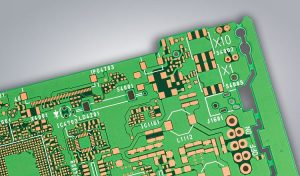
Once the PCB design has been verified, the next stage is fabrication. PCB manufacturing must match the electrical, mechanical, material, and reliability requirements of the product.
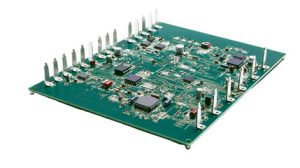
GOPCBA provides PCB manufacturing solutions covering different board structures and applications, including multilayer, flexible, rigid-flex, RF, metal-base, and other customized PCB solutions.
PCB fabrication can be coordinated with component sourcing and assembly, allowing customers to manage the development and production process through one manufacturing partner.
This integrated workflow is particularly useful for new product development because engineering changes can be coordinated more efficiently between PCB fabrication, component procurement, and assembly.
Electronic Manufacturing and PCB Assembly
A production-ready design must be optimized for manufacturing and assembly. Design decisions made during the engineering stage can have a direct impact on production yield, assembly cost, lead time, and product reliability.
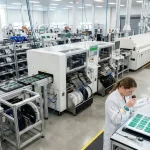
GOPCBA provides PCB assembly services covering SMT, through-hole, mixed-technology assembly, prototype production, low-volume production, and higher-volume manufacturing. The company also supports turnkey and consigned assembly models according to customer requirements.
The manufacturing workflow can include PCB fabrication, component procurement, stencil preparation, automated placement, reflow soldering, through-hole assembly, inspection, testing, cleaning, final inspection, packaging, and shipment.
By connecting engineering with manufacturing, GOPCBA helps customers reduce the risks associated with transferring a design between separate engineering and production suppliers.
Component Selection and Procurement
Component selection is another important part of electronic product development. Electrical specifications are only one consideration; availability, lifecycle, cost, quality, lead time, package type, and supply continuity can also affect the final design.
GOPCBA provides component procurement as part of its one-stop manufacturing model. The company works with established suppliers to support component availability and production continuity.
Electronic Component Procurement
Early component evaluation can also help identify obsolete, difficult-to-source, or long-lead-time components before the product enters production. This can reduce redesign risks and improve supply-chain stability.
Prototype Development and Design Verification
Prototyping allows engineers to verify whether a product works as expected before committing to larger production volumes.
A typical prototype development cycle may include:
- Review of product requirements
- System architecture development
- Schematic and PCB design
- Component sourcing
- PCB fabrication
- Prototype assembly
- Functional testing
- Design optimization
- Engineering verification
- Production preparation
Prototype testing can reveal electrical, mechanical, thermal, firmware, and manufacturing issues that may not be apparent during the design stage.
GOPCBA supports prototype and low-volume PCBA production, enabling customers to validate designs and make necessary improvements before scaling to larger production quantities.
SMT Assembly and Precision Electronics Manufacturing
For compact and high-density electronic products, SMT technology provides an efficient method for mounting miniature components and densely populated circuit boards.
GOPCBA supports SMT assembly for precision electronic components, including fine-pitch packages and small component sizes. The manufacturing process incorporates automated placement and inspection technologies to maintain production consistency.
SMT manufacturing can be combined with through-hole and mixed-technology assembly when a product contains different component types or mechanical requirements.
Electronic Product Testing and Quality Control
Testing and inspection are essential for confirming that an electronic product meets its functional and manufacturing requirements.
Depending on the product and application, the development process may include:
- Visual inspection
- Electrical testing
- Functional testing
- AOI inspection
- X-ray inspection
- Assembly quality inspection
- Environmental testing
- Reliability testing
- EMC-related verification
- Manufacturing process inspection
- Final product inspection
GOPCBA states that its quality system incorporates ISO9001, ISO13485, and IATF16949 requirements, while its manufacturing processes include quality inspection and process control measures.
Quality control should not be limited to final inspection. Effective electronic manufacturing requires quality management throughout PCB design, material sourcing, fabrication, assembly, testing, and shipment.
Electronic Design and Manufacturing Process
1. Requirements Analysis
The project begins with an evaluation of product functions, operating conditions, technical specifications, target markets, cost requirements, and production expectations.
The output is a clear set of engineering requirements that can guide subsequent development.
2. System Architecture
The engineering team defines the overall electronic architecture, including major hardware modules, interfaces, communication methods, power architecture, firmware requirements, and mechanical constraints.
3. Hardware and PCB Design
Engineers develop schematics, select components, define PCB stack-up requirements, place components, route signals, and perform design reviews.
Manufacturing considerations are incorporated during the design stage to improve production readiness.
4. Prototype Manufacturing
After design verification, prototype PCBs and PCB assemblies are manufactured for functional and engineering evaluation.
5. Testing and Validation
The prototype is tested against the original requirements. Problems are identified, analyzed, and corrected before production.
6. DFM and Production Preparation
Design for Manufacturing and Design for Assembly reviews help identify potential production problems before mass manufacturing begins.
The manufacturing documentation, BOM, Gerber files, assembly files, drawings, and other production data are finalized.
7. Production
After approval, PCB fabrication, component procurement, SMT or through-hole assembly, inspection, testing, and final product integration can proceed according to the approved production plan.
8. Continuous Engineering Support
After production begins, engineering support may continue through design modifications, component replacement, manufacturing optimization, product upgrades, and production troubleshooting.
Industries Served by GOPCBA
Electronic design and manufacturing requirements vary significantly between industries. A medical device may prioritize reliability and traceability, while automotive electronics may require environmental durability and strict quality systems.
GOPCBA provides PCBA solutions for multiple industries, including:
- Medical electronics
- Automotive electronics
- Industrial automation
- Artificial intelligence
- Smart home devices
- Security equipment
- Power electronics
- Communication equipment
- Internet of Things
- Consumer electronics
Its manufacturing capabilities are designed to support different production requirements, from prototype development and low-volume production to larger-scale manufacturing.
Why Choose GOPCBA for Electronic Product Development?
One-Stop Engineering and Manufacturing
Instead of coordinating separate companies for PCB design, fabrication, component sourcing, assembly, and testing, customers can integrate multiple stages through one manufacturing partner.
Engineering and Production Coordination
GOPCBA combines PCB engineering and manufacturing capabilities, helping engineering decisions remain aligned with production requirements.
Flexible Production Support
The company supports prototype, low-volume, and higher-volume PCB assembly requirements, allowing projects to progress from initial validation to production.
Quality-Focused Manufacturing
Quality management and process inspection are incorporated throughout the manufacturing workflow to improve product consistency and production reliability.
Faster Product Development
An integrated workflow can reduce communication delays between design, procurement, PCB fabrication, assembly, and testing, helping shorten the path from engineering concept to production.
How to Choose an Electronic Design and Manufacturing Partner
When selecting an electronic manufacturing services provider, companies should evaluate more than the quoted manufacturing price.
Important considerations include:
- PCB design and engineering capabilities
- Hardware and embedded development experience
- PCB fabrication capabilities
- Component sourcing and supply-chain management
- SMT and through-hole assembly capabilities
- Prototype and low-volume production
- DFM and DFA support
- Testing and inspection capabilities
- Quality management systems
- Production capacity
- Engineering communication
- Intellectual property protection
- Post-production engineering support
A capable partner should be able to support the project throughout its development rather than providing only a single manufacturing operation.
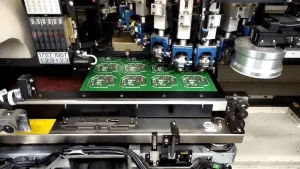
Start Your Electronic Product Development Project
From product concept and hardware engineering to PCB fabrication, component procurement, assembly, testing, and production, GOPCBA provides an integrated approach to electronic product development.
By combining engineering capabilities with manufacturing resources, customers can streamline development, improve production readiness, and reduce the complexity of managing multiple suppliers.
If you are developing a new electronic product, upgrading an existing design, or looking for a reliable manufacturing partner, GOPCBA can support your project from prototype to production.
Contact GOPCBA for Your Electronic Design and Manufacturing Project