FR4 vs Polyimide PCB – Performance, Cost & Application Guide (2026)
In PCB design and manufacturing, material selection directly determines product performance, cost, and reliability. The two most widely used substrates are FR4 (glass‑epoxy) and Polyimide (flexible high‑temperature material). FR4 is the standard rigid material due to its low cost and mature processes, while Polyimide excels in high‑temperature and flexible applications for high‑end electronics.
This guide provides a full comparison of material properties, thermal characteristics, electrical performance, manufacturing processes, pricing, and real‑world applications – backed by gopcb’s manufacturing capabilities and 2026 price data – to help engineers and procurement professionals make the best choice.
1. What Is FR4 PCB?
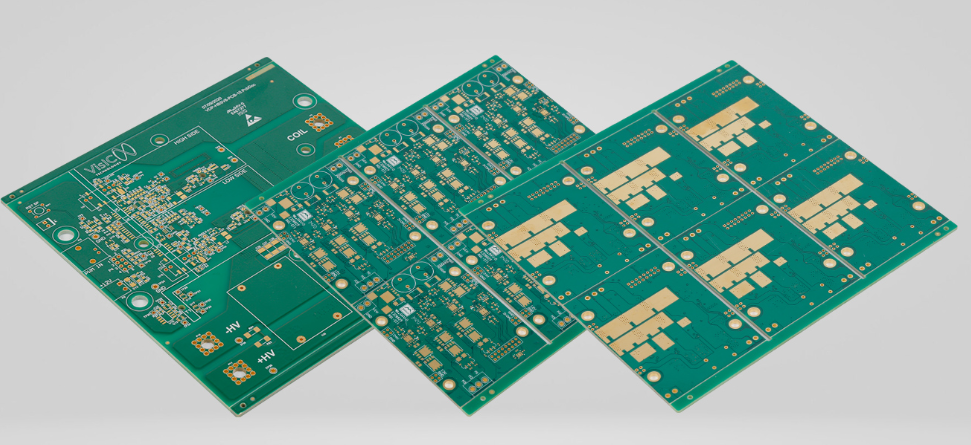
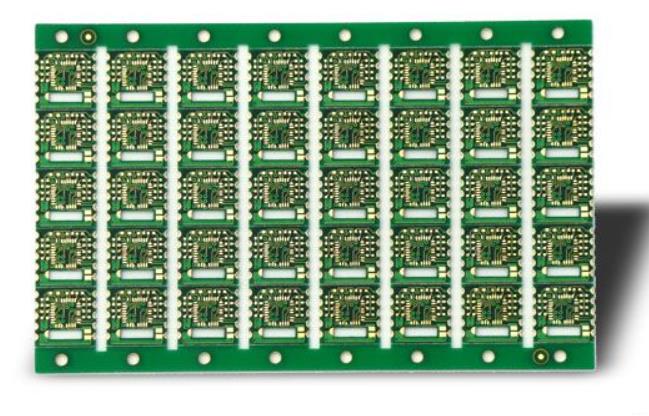
FR4 is a rigid PCB material based on woven fiberglass cloth and epoxy resin, with UL94 V‑0 flame retardancy. It is the most widely used substrate in the electronics industry.
Key features: high mechanical strength, excellent electrical insulation, mature low‑cost processes, supports multilayer designs. Typical applications include consumer electronics, industrial controls, power modules, automotive electronics, and LED lighting.
2. What Is Polyimide PCB?
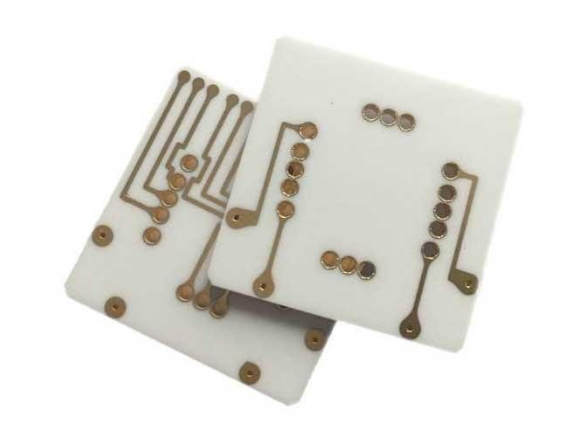
Polyimide PCBs use polyimide film as the base material, available in flexible PCBs (FPC), rigid‑flex boards, and high‑temperature rigid boards.
Advantages: outstanding high‑temperature resistance, repeated flexing capability, excellent vibration resistance, and suitability for extreme environments. Used in aerospace, military, wearables, implantable medical devices, and foldable consumer electronics.
3. FR4 vs Polyimide – Quick Comparison
- Structure: Rigid (FR4) vs Flexible/Rigid‑Flex (Polyimide)
- Cost: Low (FR4) vs Medium‑High (Polyimide)
- Temperature resistance: 130–180°C (FR4) vs 250–300°C (Polyimide)
- Flexibility: None (FR4) vs Excellent (Polyimide)
- Moisture absorption: Moderate (FR4) vs Excellent (Polyimide)
- Electrical performance: Stable (FR4) vs Better, lower loss (Polyimide)
- Typical applications: General electronics (FR4) vs High‑reliability/flexible systems (Polyimide)
4. Thermal Performance – The Critical Difference
FR4: Tg typically 130°C (standard) or 170°C (high‑Tg), long‑term working temperature ~140–170°C – suitable for most industrial environments.
Polyimide: Continuous working temperature above 250°C, short‑term >300°C, excellent thermal cycling stability – clearly superior for high‑temperature applications.
5. Electrical Performance
- FR4: Dk 4.2–4.8, higher loss – suitable for digital circuits and conventional signals.
- Polyimide: Dk 3.2–3.8, lower signal loss – ideal for high‑speed and high‑frequency applications.
6. Mechanical Properties & Flexibility
FR4: Rigid, non‑bendable – good for structurally stable products.
Polyimide: Can withstand thousands of flex cycles, high vibration resistance – perfect for space‑constrained or moving designs.
7. Manufacturing Process Differences
FR4 process: lamination, drilling, plating, pattern transfer, etching, surface finish.
Polyimide additional steps: laser cutting, coverlay application, flexible structure control, dynamic flex testing – more complex and demanding.
8. Typical Application Scenarios
Choose FR4 for: industrial controls, consumer electronics, LED lighting, power supplies, automotive ECUs, IoT devices.
Choose Polyimide for: foldable electronics, aerospace, implantable medical devices, wearables, high‑vibration systems.
9. gopcb’s FR4 PCB Manufacturing Capabilities
gopcb is a professional PCB manufacturer offering complete solutions from rigid FR4 to flexible and rigid‑flex boards.
- Layer count: 1–40 layers
- Board thickness: 0.2–6.0 mm
- Copper weight: 0.5–12 oz
- Min trace/space: 2.5 mil / 2.5 mil
- Min drill: 0.15 mm
- Surface finishes: ENIG, immersion silver, HASL, OSP, hard gold
- Certifications: ISO9001, IATF16949, ISO13485, UL, RoHS, REACH
gopcb supports quick‑turn prototyping, low‑volume trials, high‑volume production, DFM review, and process optimisation. Explore our PCB manufacturing services for more details.
10. FR4 vs Polyimide PCB Price Reference (2026)
FR4 PCB pricing:
- Prototype (1–5 pcs): 2‑layer $20–45, 4‑layer $45–90, 6‑layer $80–160
- Low volume (100–500 pcs): $0.8–8 per board
- High volume (1000+ pcs): $0.2–4 per board
Polyimide PCB pricing: typically 2–5 times that of FR4, due to higher material cost, more complex processing, and longer lead times.
For cost‑effective assembly, consider our prototype PCB assembly and low‑volume assembly services.
11. IPC Standards Compliance
gopcb strictly follows IPC‑2221 (design), IPC‑6012 (rigid), IPC‑6013 (flexible), IPC‑A‑600 (acceptability), and IPC‑A‑610 (assembly) to ensure global quality compliance.
12. DFM Design Recommendations to Reduce Cost
- Choose FR4 for cost‑sensitive projects; Polyimide for flex or high‑temperature needs.
- Minimise layer count to reduce cost.
- Design appropriate trace width/spacing.
- Clearly specify impedance control requirements.
- Provide complete Gerber files and conduct early DFM review.
Our PCB design & layout team can help you optimise for manufacturability.
13. Frequently Asked Questions
Q1: Which is better – FR4 or Polyimide?
Neither is universally better. FR4 offers the best cost‑performance for general electronics; Polyimide is preferred for high reliability, flexibility, or extreme temperatures.
Q2: Can FR4 withstand high temperatures?
High‑Tg FR4 can handle around 170°C, but it is not suitable for extreme high‑temperature environments beyond that.
Q3: Why is Polyimide more expensive?
Because the raw material is costly and the manufacturing process is more complex and time‑consuming.
Q4: Can Polyimide be used for rigid PCBs?
Yes, but it is usually reserved for high‑reliability applications where cost is less of a concern.
Q5: Which material is better for automotive electronics?
Standard ECUs: FR4; high‑temperature or high‑vibration areas: Polyimide.
14. Why Choose gopcb?
gopcb provides one‑stop manufacturing for both FR4 and Polyimide PCBs, with rapid prototyping, volume production, DFM engineering support, IPC‑compliant quality systems, and global delivery. We serve OEM and EMS customers worldwide.
For flexible PCB needs, check our flex PCB assembly service, and for complete turnkey solutions, visit turnkey PCB assembly.
15. Conclusion
FR4 and Polyimide PCBs serve different purposes: FR4 offers low cost and broad applicability; Polyimide delivers high‑temperature resistance, flexibility, and reliability for demanding applications. Choosing the right material impacts not only performance but also production cost and long‑term reliability.
gopcb offers comprehensive PCB solutions from design to mass production, helping you achieve the optimal balance between performance and cost.