In electronics manufacturing, balancing performance, reliability, and production cost is a constant challenge. Low cost PCB assembly does not mean sacrificing quality or using inferior materials. Instead, it focuses on making smarter decisions throughout the entire manufacturing process, from PCB design and component selection to assembly, testing, and supply chain management.
For startups, OEMs, electronics developers, and established manufacturers, optimizing PCB assembly cost can improve profitability, shorten production cycles, and create a stronger competitive advantage.
By applying Design for Manufacturability (DFM), selecting appropriate materials, optimizing the Bill of Materials (BOM), improving production efficiency, and working with an experienced PCB assembly partner such as Kingda, manufacturers can achieve cost-effective PCB assembly while maintaining consistent quality and reliability.
What Is Low Cost PCB Assembly?
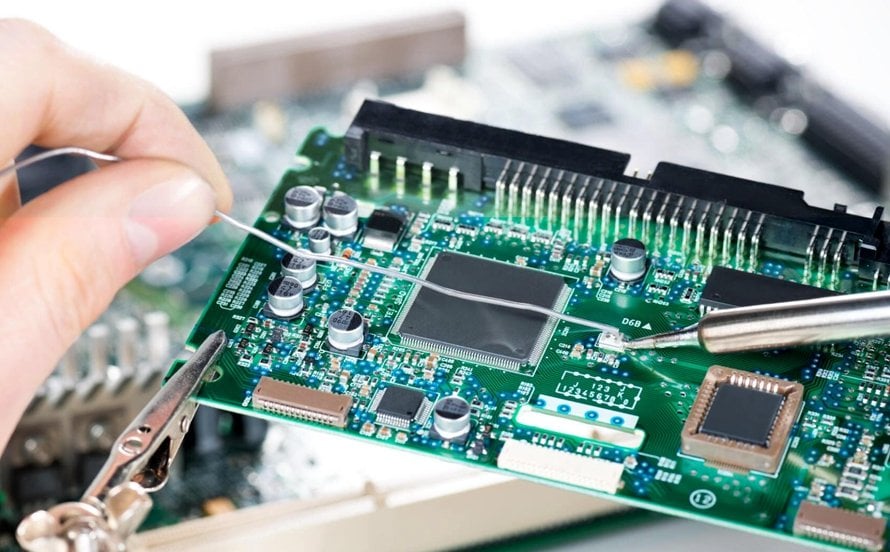
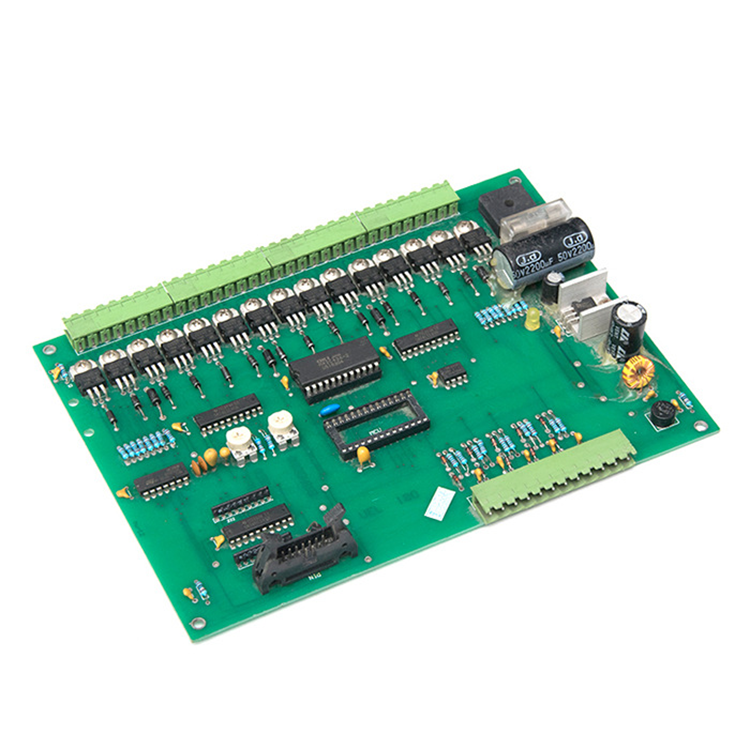
PCB assembly (PCBA) is the process of mounting and soldering electronic components onto a printed circuit board to create a functional electronic assembly. Depending on the product requirements, the process may include solder paste printing, SMT component placement, reflow soldering, through-hole assembly, inspection, testing, and final quality control.
Low cost PCB assembly refers to a manufacturing approach designed to reduce the total cost of producing an assembled PCB without compromising essential performance, reliability, or quality requirements.
The objective is not simply to find the lowest quoted price. Instead, manufacturers should optimize the entire production process and eliminate unnecessary costs.
Typical PCB assembly costs include:
- PCB fabrication: Layer count, board size, material, copper thickness, surface finish, and manufacturing complexity.
- Components: ICs, resistors, capacitors, connectors, and other electronic components.
- Assembly: SMT, THT, mixed assembly, setup, programming, and labor.
- Testing and inspection: AOI, X-ray inspection, ICT, functional testing, and other quality-control processes.
- Tooling and setup: Stencils, fixtures, programming, and production preparation.
- Logistics: Component transportation, PCB shipping, packaging, and inventory management.
By analyzing these cost drivers, manufacturers can identify savings opportunities while maintaining product quality.
Why PCB Assembly Cost Optimization Matters
The demand for affordable and reliable electronics continues to increase across consumer electronics, industrial equipment, automotive electronics, medical devices, telecommunications, and other industries.
For startups and small and medium-sized businesses, manufacturing costs can have a significant impact on product profitability. For larger OEMs, even a small reduction in unit cost can generate substantial savings when production volumes increase.
Effective PCB assembly cost optimization can help manufacturers:
- Reduce production costs
- Improve manufacturing efficiency
- Minimize material waste
- Reduce assembly defects and rework
- Shorten production lead times
- Improve production yield
- Reduce supply chain risks
- Increase overall product profitability
However, cost reduction should always be balanced against reliability and product requirements. Cutting essential inspection or selecting unsuitable materials simply to reduce the initial quotation can result in much higher costs later.
Key Factors That Affect PCB Assembly Costs
1. PCB Design Complexity
PCB design complexity is one of the most important factors affecting PCB assembly cost.
A simple two-layer PCB generally requires fewer manufacturing steps than a high-density multilayer board with fine-pitch components, microvias, controlled impedance, and complex routing.
Factors that can increase manufacturing costs include:
- High layer counts
- Very small trace widths and spacing
- Large numbers of vias
- Microvias and blind/buried vias
- Fine-pitch BGA components
- Complex board shapes
- Special surface finishes
- High-density component placement
Engineers can reduce unnecessary costs by designing the PCB with manufacturability in mind.
Recommended practices include:
- Use standard PCB dimensions whenever possible.
- Minimize unnecessary vias and layer transitions.
- Use standard component footprints.
- Maintain adequate spacing between components.
- Design appropriate solder-mask and silkscreen clearances.
- Avoid unnecessarily complex board geometries.
- Use standardized materials and surface finishes where application requirements allow.
A well-designed PCB is generally easier to manufacture, inspect, and assemble, which can improve yield and reduce production costs.
2. Component Sourcing and BOM Optimization
The Bill of Materials (BOM) is another major factor affecting PCB assembly costs.
Component prices vary depending on availability, manufacturer, order quantity, market demand, lead time, and sourcing channel. Choosing readily available components can reduce procurement costs and minimize production delays.
To optimize the BOM:
- Select components with stable supply.
- Avoid obsolete or end-of-life components.
- Use standard package sizes where practical.
- Identify approved alternative components.
- Consolidate component sourcing when possible.
- Avoid unnecessary custom components.
- Work with the PCB assembly supplier to evaluate equivalent alternatives.
An experienced EMS partner can also review the BOM and identify components that may create supply-chain risks or unnecessary costs.
Kingda’s Approach to Component Sourcing
Kingda can support customers with PCB assembly procurement and BOM management, helping simplify the transition from design to production.
By coordinating PCB fabrication, component procurement, assembly, and testing, Kingda can help customers reduce unnecessary communication and coordination between multiple suppliers.
This integrated approach is particularly valuable for prototype, low-volume, and production PCB assembly projects where procurement efficiency can have a significant impact on the total project cost.
3. Choosing the Right PCB Assembly Process
The assembly method also influences production cost.
SMT Assembly
Surface Mount Technology (SMT) uses automated equipment to place components directly onto the PCB surface. SMT is highly suitable for compact electronics and medium- to high-volume production.
Advantages include:
- High placement accuracy
- High production efficiency
- Consistent assembly quality
- Reduced manual labor
- Suitable for high-density designs
Through-Hole Assembly
Through-Hole Technology (THT) involves inserting component leads through holes in the PCB.
THT is often used for components that require strong mechanical connections, such as connectors, transformers, and certain power components.
However, THT assembly can involve more manual handling and additional processing compared with fully automated SMT assembly.
Mixed PCB Assembly
Many electronic products require both SMT and THT components. In these cases, mixed PCB assembly combines automated surface-mount production with through-hole assembly.
Selecting the appropriate assembly method according to the product design can help optimize both manufacturing efficiency and cost.
4. Testing and Quality Control
Quality control should never be eliminated simply to achieve a lower PCB assembly quotation.
Defective PCB assemblies can lead to:
- Rework costs
- Production delays
- Product recalls
- Warranty claims
- Customer dissatisfaction
- Increased long-term manufacturing costs
Common inspection and testing methods include:
AOI Inspection
Automated Optical Inspection (AOI) can detect issues such as missing components, incorrect component placement, solder bridging, and visible solder defects.
X-Ray Inspection
X-ray inspection is particularly useful for hidden solder joints, including BGA and other bottom-terminated components.
ICT Testing
In-Circuit Testing (ICT) evaluates electrical characteristics and circuit connectivity to identify potential assembly defects.
Functional Testing
Functional testing verifies whether the completed PCB assembly performs according to the product’s electrical and functional specifications.
The appropriate combination of inspection and testing should be determined according to the PCB design, component technology, application, and reliability requirements.
How to Reduce PCB Assembly Costs Without Sacrificing Quality
1. Optimize PCB Design for Manufacturability
Design for Manufacturability (DFM) is one of the most effective ways to reduce PCB production costs.
DFM reviews potential manufacturing problems before production begins. Early identification of design issues can reduce:
- Rework
- Scrap
- Assembly errors
- Production delays
- Engineering changes
- Additional tooling costs
For example, using standard pad dimensions, component footprints, hole sizes, and spacing can make the PCB easier to fabricate and assemble.
Kingda can work with customers during the pre-production stage to evaluate PCB designs and identify potential manufacturing issues before boards enter full production.
This early engineering involvement can help reduce unnecessary production costs and improve manufacturing efficiency.
2. Select Cost-Effective PCB Materials
Material selection has a direct influence on PCB manufacturing cost.
Standard FR-4
Standard FR-4 is one of the most widely used PCB materials because it provides a good balance between cost, mechanical strength, electrical performance, and thermal stability.
It is suitable for many:
- Consumer electronics
- Industrial products
- Control systems
- Communication devices
- General electronic equipment
High-Tg FR-4
High-Tg FR-4 offers improved thermal stability compared with standard FR-4. It is suitable for applications exposed to higher operating temperatures.
Although it costs more, it may be necessary for products with demanding thermal requirements.
Aluminum PCB
Aluminum PCBs provide improved thermal dissipation and are frequently used in LED lighting, power electronics, and other applications where thermal management is critical.
The most cost-effective material is not necessarily the cheapest material. The correct choice is the material that meets the actual performance requirements without unnecessary specifications.
3. Use Standardized Components
Component standardization can simplify production and reduce procurement complexity.
For example, using commonly available resistor and capacitor packages can make automated assembly easier and improve component availability.
Standardized components can also:
- Reduce purchasing complexity
- Improve component availability
- Reduce feeder changes
- Simplify assembly programming
- Improve production efficiency
- Reduce inventory requirements
For high-volume production, these small improvements can produce meaningful cost savings.
4. Consolidate Production Orders
For companies with multiple PCB designs, combining production orders can help spread setup and tooling costs across a larger production quantity.
Panelization is another effective manufacturing strategy. Multiple PCB designs or identical boards can sometimes be arranged on a production panel to improve material utilization and manufacturing efficiency.
However, panelization must be designed appropriately to ensure that the PCB remains suitable for fabrication, assembly, depanelization, and testing.
5. Optimize the BOM
An optimized PCB assembly BOM helps control both material and procurement costs.
When preparing a BOM, consider:
- Component unit price
- Minimum order quantity
- Availability
- Lead time
- Manufacturer
- Lifecycle status
- Approved alternatives
- Packaging requirements
Avoiding obsolete or difficult-to-source components can also reduce the risk of redesigns and production interruptions.
6. Choose a One-Stop PCB Assembly Partner
Working with multiple suppliers for PCB fabrication, component sourcing, assembly, and testing can increase communication costs and create additional logistics challenges.
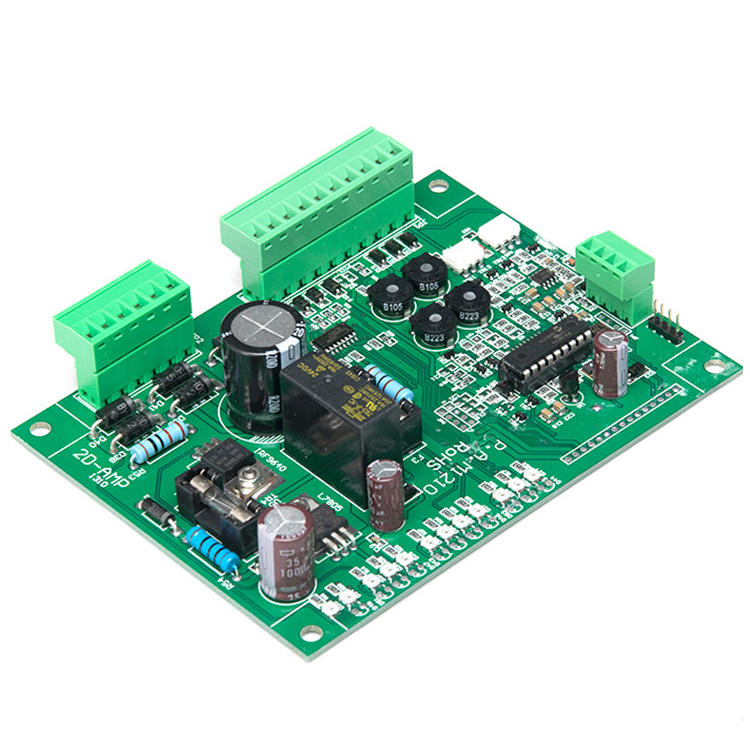
A turnkey PCB assembly service integrates multiple manufacturing stages through one supplier.
With a turnkey approach, customers can potentially simplify:
- PCB fabrication
- Component sourcing
- SMT assembly
- THT assembly
- PCB inspection
- Electrical testing
- Final assembly
- Production coordination
Why Choose Kingda for Cost-Effective PCB Assembly?
Kingda focuses on providing integrated PCB manufacturing and assembly solutions for customers who need a balance between cost, quality, flexibility, and delivery efficiency.
Key advantages include:
One-Stop PCB Solution
Kingda can support customers across PCB fabrication and assembly requirements, reducing the need to coordinate multiple independent suppliers.
Engineering Support
Engineering involvement at the design and pre-production stages helps identify manufacturability issues before they become expensive production problems.
Flexible Production Support
Different projects may require prototypes, small batches, medium-volume production, or larger production runs. A flexible manufacturing approach allows the production process to be matched to project requirements.
Component Procurement Support
Kingda can assist with component sourcing and BOM management, helping customers identify suitable components and reduce procurement risks.
Quality-Focused Manufacturing
Quality inspection and testing are integrated into the production process to help ensure that assembled PCBs meet the required specifications.
Cost Optimization Beyond Unit Price
Kingda’s approach focuses not only on the quoted PCB assembly price but also on reducing hidden costs caused by defects, rework, sourcing problems, inefficient logistics, and production delays.
PCB Assembly Cost Comparison: What Should You Consider?
When comparing PCB assembly suppliers, looking only at the unit price can be misleading.
A more comprehensive evaluation should include:
| Cost Factor | What to Consider |
|---|---|
| PCB Fabrication | Layer count, material, copper thickness, surface finish |
| Components | Unit price, availability, lifecycle, MOQ |
| Assembly | SMT, THT, mixed assembly, production quantity |
| Tooling | Stencil, fixtures, programming |
| Testing | AOI, X-ray, ICT, functional testing |
| Logistics | Shipping, packaging, inventory |
| Engineering | DFM review, BOM review, technical support |
| Quality | Defect rate, rework, inspection coverage |
| Lead Time | Production schedule and delivery requirements |
A supplier with the lowest initial quotation may not always provide the lowest total manufacturing cost.
A better approach is to evaluate Total Cost of Ownership (TCO).
Prototype PCB Assembly vs. Mass Production
Prototype assembly typically has a higher cost per PCB because tooling, engineering, programming, and setup costs are distributed across a smaller quantity.
However, prototypes are essential for validating:
- Circuit functionality
- Component selection
- PCB design
- Assembly process
- Thermal performance
- Mechanical compatibility
- Manufacturing reliability
A prototype can identify problems before mass production, potentially preventing much more expensive production failures.
For startups and product developers, low volume PCB assembly can therefore be a cost-control strategy rather than simply an additional expense.
Low Volume PCB Assembly for Cost Control
For small production quantities, manufacturers should focus on reducing setup and procurement costs.
Effective approaches include:
- Using standard components
- Panelizing boards when appropriate
- Minimizing special tooling
- Using standard PCB materials
- Reducing unnecessary design complexity
- Selecting readily available components
- Conducting DFM checks before production
- Combining multiple PCB designs into a production run
These methods can make low cost PCB assembly more practical for prototypes and small-batch electronics production.
Domestic vs. Overseas PCB Assembly
The location of the PCB assembly supplier can influence manufacturing cost, delivery time, logistics, and communication efficiency.
Instead of evaluating labor cost alone, companies should consider the complete supply chain.
Important factors include:
- PCB manufacturing cost
- Component sourcing cost
- Labor
- Shipping
- Customs
- Lead time
- Engineering support
- Quality control
- Communication
- Production flexibility
An overseas supplier may offer competitive manufacturing costs, but transportation and lead-time considerations should also be included in the total project calculation.
A supplier with integrated PCB fabrication and assembly capabilities can simplify logistics and reduce coordination between different manufacturing partners.
Quality Assurance: The Key to Sustainable Cost Reduction
The most effective cost reduction strategy is not simply to reduce manufacturing expenses. It is to prevent expensive problems from occurring.
Early Defect Prevention
Detecting problems during PCB design is significantly more efficient than discovering them after production.
DFM review, BOM verification, and prototype testing can identify potential issues before they affect large production batches.
Automated Inspection
Automated inspection technologies such as AOI and X-ray inspection can improve consistency and help detect defects that may be difficult to identify through manual inspection.
Process Control
Consistent solder paste printing, component placement, reflow soldering, and inspection processes help improve first-pass yield and reduce rework.
Traceability
Production traceability allows manufacturers to track materials, components, manufacturing processes, and inspection results.
This is particularly important for products requiring long-term quality control and manufacturing accountability.
How Kingda Helps Customers Achieve Lower PCB Assembly Costs
Cost-effective PCB assembly requires more than simply reducing the price of individual components.
Kingda approaches cost optimization from the perspective of the complete manufacturing process.
By combining PCB fabrication, component sourcing, PCB assembly, engineering support, inspection, and testing, Kingda can help customers simplify their supply chain and improve production efficiency.
The main areas where Kingda can add value include:
- DFM support before production
- BOM optimization and component sourcing assistance
- PCB fabrication and assembly integration
- SMT and THT assembly capabilities
- Prototype and low-volume production support
- Quality inspection and testing
- Production process optimization
- Flexible manufacturing solutions
- One-stop project coordination
For customers looking to reduce PCB assembly costs while maintaining dependable quality, this integrated approach can be more valuable than simply choosing the supplier with the lowest initial quotation.
Conclusion
Achieving low cost PCB assembly does not require sacrificing quality, reliability, or performance. The most effective strategy is to optimize the entire manufacturing process.
From PCB design and DFM to component sourcing, material selection, assembly technology, testing, and supply chain management, every stage can influence the final cost.
The key strategies include:
- Optimize PCB designs for manufacturability
- Select appropriate and cost-effective materials
- Use readily available components
- Optimize the BOM
- Reduce unnecessary design complexity
- Use panelization when appropriate
- Select the right SMT, THT, or mixed assembly process
- Maintain appropriate inspection and testing
- Consolidate production where possible
- Work with an experienced PCB manufacturing partner
Kingda provides integrated PCB manufacturing and assembly support, helping customers manage PCB fabrication, component sourcing, assembly, testing, and production coordination through a more streamlined process.
The goal is not simply to manufacture PCBs at the lowest possible price. The real goal is to achieve the lowest practical total manufacturing cost while maintaining the quality, reliability, and performance required by the final product.
FAQs About Low Cost PCB Assembly
1. How can I reduce PCB assembly costs?
You can reduce PCB assembly costs through DFM optimization, BOM management, standardized components, appropriate material selection, panelization, production consolidation, and efficient component sourcing. Working with an experienced PCB assembly supplier can also help identify hidden cost-saving opportunities.
2. Does low cost PCB assembly mean lower quality?
No. Low cost PCB assembly should mean optimized manufacturing rather than reduced quality. Proper DFM, process control, AOI, X-ray inspection, and functional testing can help maintain quality while reducing unnecessary production expenses.
3. What is the biggest factor affecting PCB assembly cost?
There is no single cost factor. PCB complexity, component prices, production volume, assembly method, materials, testing requirements, tooling, and logistics can all influence the final cost.
4. How can DFM reduce PCB assembly costs?
DFM identifies manufacturing problems before production. By optimizing component placement, pad design, trace geometry, hole sizes, spacing, and other manufacturing parameters, companies can reduce defects, rework, scrap, and production delays.
5. Is turnkey PCB assembly more cost-effective?
A turnkey PCB assembly solution can simplify the supply chain by integrating PCB fabrication, component procurement, assembly, inspection, and testing. This can reduce coordination and logistics costs and make production management more efficient.
6. Can Kingda support prototype and low-volume PCB assembly?
Yes. Kingda can support customers with PCB manufacturing and assembly requirements across different development and production stages, including prototype development, low-volume production, and production-scale manufacturing, depending on project requirements.
7. What should I provide when requesting a PCB assembly quotation?
For an accurate quotation, customers should normally provide the PCB Gerber files, BOM, pick-and-place/Centroid file, assembly drawings if available, required quantity, PCB specifications, and testing requirements. Additional information about the application and target delivery schedule can also help the manufacturer recommend an appropriate production solution.