Non‑Standard PCB Cost Guide – Complete Pricing Breakdown & Estimation
As electronics move toward miniaturisation, high performance, and customisation, the demand for non‑standard PCBs is growing rapidly. Unlike conventional boards, non‑standard PCBs often involve special shapes, unusual dimensions, exotic materials, high layer counts, or complex processes – leading to wide cost variations. Engineers and procurement professionals frequently ask: How much does a non‑standard PCB actually cost?
In reality, there is no fixed price. The cost depends on material type, layer count, process complexity, precision requirements, order volume, and more. This article provides a complete cost breakdown for non‑standard PCBs, helping you estimate your project budget accurately.
1. What Is a Non‑Standard PCB?
A non‑standard PCB is any printed circuit board that deviates from conventional manufacturing specifications. Common types include:
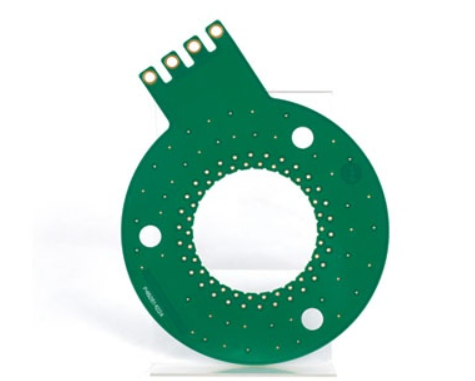
- Odd‑shaped PCBs (circular, curved, irregular outlines)
- Ultra‑thin or ultra‑thick boards
- High‑layer‑count boards (8+ layers)
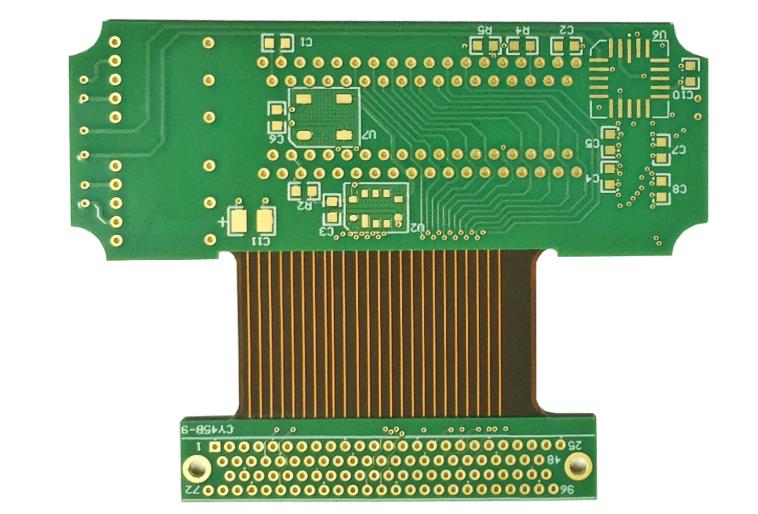
- Rigid‑flex PCBs
- Metal‑core PCBs (aluminium, copper)
- HDI (high‑density interconnect) boards
- High‑frequency/RF PCBs
- Embedded component PCBs
- Heavy‑copper PCBs
These boards require custom engineering, specialised materials, and more complex fabrication – making them significantly more expensive than standard PCBs.
2. Why Are Non‑Standard PCBs More Expensive?
Standard PCBs benefit from mature mass‑production processes with high efficiency and low material waste. Non‑standard PCBs, however, typically need:
- Extra engineering review and CAM processing
- Special substrate procurement
- Custom drilling and routing
- Additional quality inspections
- Lower production yields
- Longer lead times
All these factors drive up manufacturing costs.
PCB Pricing
3. Key Factors Affecting Non‑Standard
3.1 Board Size and Shape
Larger boards consume more material; irregular shapes increase routing difficulty and processing time.
- Standard rectangular – baseline
- Circular – +10% to +20%
- Complex irregular – +20% to +50%
- Multi‑panel complex – +30% to +60%
3.2 Layer Count
Layer count is one of the biggest cost drivers. Typical prototype price ranges (USD):
- 2‑layer: $5–30
- 4‑layer: $20–80
- 6‑layer: $50–150
- 8‑layer: $100–300
- 12‑layer: $300–800
- 16+ layers: $800–3,000+
3.3 Special Materials
Material choice directly impacts cost (relative to standard FR4):
- FR4 – 1× (baseline)
- High‑Tg FR4 – 1.2–1.5×
- Aluminium‑core – 1.5–2×
- Rogers high‑frequency – 3–8×
- Ceramic – 5–15×
- Polyimide flexible – 2–6×
For RF/microwave applications, material cost can exceed 40% of the total.
3.4 Complex Structures and Processes
The following features add significant cost:
- Blind vias – +20% to +40%
- Buried vias – +30% to +50%
- HDI structures – +50% to +150%
- Via‑in‑pad – +20% to +60%
- Rigid‑flex – +100% to +300%
3.5 Surface Finish
- HASL – baseline (lowest)
- Lead‑free HASL – +10%
- ENIG – +20% to +50%
- Immersion silver – +15% to +40%
- Hard gold – +100% to +500%
3.6 Precision Requirements
Tighter tolerances – such as fine line/space, microvias, impedance control, BGA routing, and controlled dielectric thickness – can add 10%–100% to the cost compared to standard boards.
3.7 Order Quantity
Prototypes have higher per‑unit cost due to setup and engineering fees. Typical per‑board cost by volume:
- 5 pcs – ~$50
- 50 pcs – ~$15
- 500 pcs – ~$5
- 5,000 pcs – ~$1.5
4. Typical Cost Breakdown for a Non‑Standard PCB
Example: a 6‑layer industrial control PCB with ENIG finish and irregular shape.
- Raw materials – 30%
- Engineering & CAM – 10%
- Drilling & routing – 15%
- Lamination – 15%
- Surface finish – 10%
- Testing & inspection – 10%
- Packaging & logistics – 10%
5. Price Examples by Application
- Industrial control (4‑layer FR4, ENIG, odd shape): prototype $80–200; volume $5–20/board.
- Automotive radar (8‑layer Rogers, impedance controlled): prototype $500–2,000; volume $30–150/board.
- Medical device (HDI, high‑reliability, ENIG): prototype $300–1,500; volume $15–80/board.
- Aerospace (high‑layer, special certification, advanced testing): prototype $1,000–10,000+; volume $100–500+/board.
6. How to Reduce Non‑Standard PCB Manufacturing Costs
- Optimise board size and shape: avoid overly complex outlines to reduce routing time.
- Simplify layer stack‑up: use the minimum layer count that meets functional needs.
- Prefer standard materials: FR4 remains the most cost‑effective choice unless high‑frequency or specialty properties are mandatory.
- Minimise HDI features: only use blind/buried vias and microvias when absolutely necessary.
- Increase order volume: larger batches spread engineering and tooling costs.
- Perform DFM early: design‑for‑manufacturing reviews can prevent rework and delays.
For professional DFM support, visit our PCB design & layout service.
7. Why Choose gopcb for Non‑Standard PCBs?
gopcb specialises in high‑complexity non‑standard PCB manufacturing, serving industrial, automotive, medical, telecom, and aerospace sectors. Our capabilities include:
- Up to 40+ layer PCBs
- HDI and microvia technology
- Rigid‑flex and flex boards
- Heavy‑copper PCBs
- Rogers high‑frequency materials
- Aluminium and metal‑core boards
- Quick‑turn prototyping
- Full DFM and engineering support
Whether you need complex prototypes or high‑volume production, gopcb delivers consistent quality, competitive pricing, and fast delivery. Explore our PCB manufacturing and prototype PCB assembly services, or check our turnkey assembly solutions.
8. Frequently Asked Questions
Q1: What qualifies as a non‑standard PCB?
Any PCB that requires special dimensions, materials, structures, tolerances, or manufacturing processes beyond standard specifications.
Q2: Why are non‑standard PCBs more expensive?
Because they need extra engineering, custom tooling, special materials, and more rigorous quality control – all of which increase production costs.
Q3: What is the typical prototype cost for a non‑standard PCB?
Most prototypes range from $50 to $2,000, while high‑complexity aerospace or RF boards can exceed $10,000.
Q4: How can I lower the cost of my non‑standard PCB?
Optimise design, reduce layer count, use standard materials, and increase order volume.
Q5: What is the typical lead time for non‑standard PCBs?
- Standard prototypes – 3–7 days
- Non‑standard prototypes – 7–15 days
- Complex HDI/rigid‑flex – 15–30 days
9. Conclusion
Non‑standard PCB pricing spans a wide range – from a few dozen dollars for simple prototypes to several thousand dollars for high‑end aerospace or RF boards. The core cost drivers include board size, layer count, material selection, manufacturing complexity, precision requirements, and order quantity.
By understanding these factors and partnering with an experienced manufacturer like gopcb, you can achieve the optimal balance between performance, quality, and budget.
For high‑volume needs, consider our high‑volume PCB assembly service, and for flexible options, see our low‑volume assembly page.