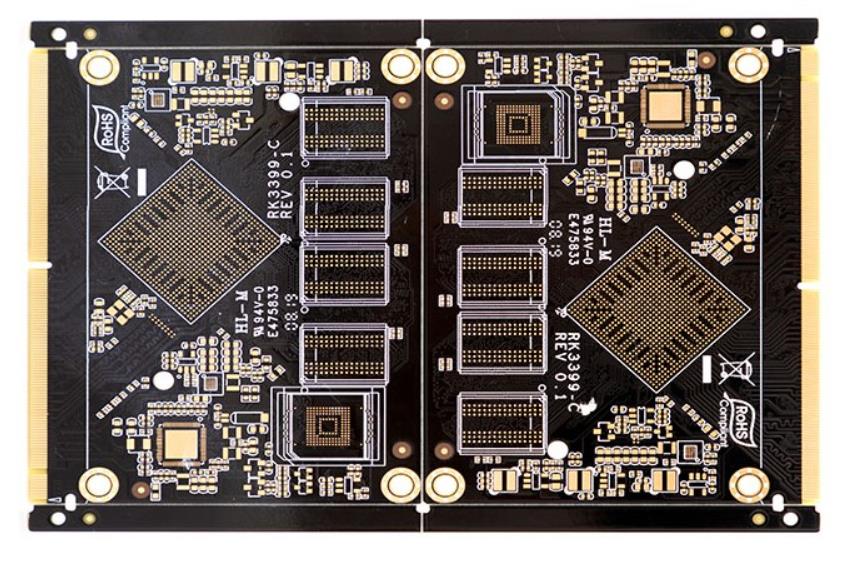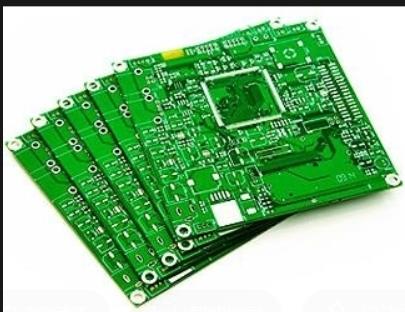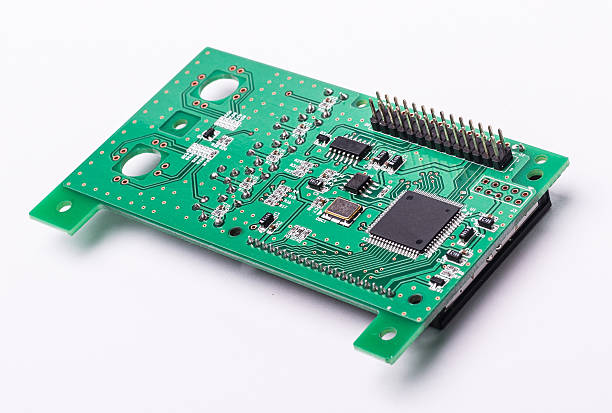
3 Critical PCB Panelization Details for Reliable Production Panelization often decides whether a production order runs smoothly or stalls in engineering review. A single board may be fully optimized, yet the panel that carries it can still create confusion at the factory. The three details below cover design count, reverse-side…
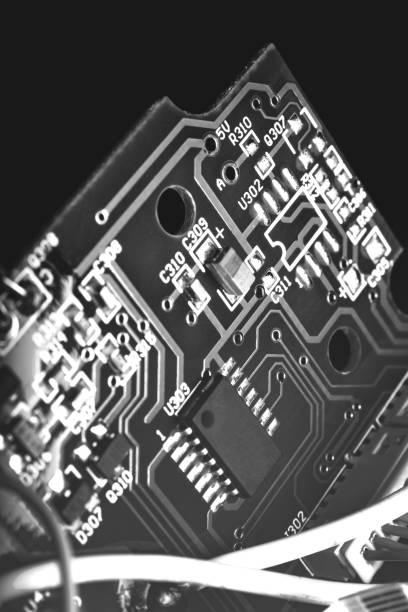
Gerber Files: Getting Solder Mask Coverage Right A finished board arrives with vias covered that should have stayed open. The order page said tented, so someone assumed the factory would decide. In practice, the solder mask artwork inside the Gerber package already fixed the result. The order option never overrides…
Preventing PCB Short Circuits at the Design Stage Most PCB short circuits begin as layout decisions, not as factory accidents. A via placed too close to a foreign net, a copper pour that crosses a boundary, or a missing clearance rule can turn a working prototype into scrap. Catching these…
PCB Visual Inspection Under IPC Class 2 Criteria A board arrives with a visible mark near a via, and the line stops. Someone must decide whether that mark is cosmetic or a real defect. Under IPC Class 2, the answer depends on measurement, location, and the agreed acceptance criteria. This…
Navigation PCB Guide: Design, Applications and Cost Navigation technology has quietly become part of everyday life. Smartphones, watches, cars, aircraft, and ships all know where they are. The knowledge starts with a navigation system PCB that receives satellite signals and turns them into position data. Unlike ordinary circuit boards, navigation…
TG130 PCB Guide: Material Properties and Applications Choosing the right laminate is one of the most important decisions in a PCB project, and the glass transition temperature, or Tg, is the specification that separates boards that warp from boards that last. TG130 PCB material has become a widely used middle-ground…
Wireless Module PCB Guide: Cost and Buying Tips Wireless connectivity has become a standard feature in modern products, from smart home devices and wearables to industrial sensors and vehicles. Behind every connection sits a wireless module PCB, the board that carries the radio, antenna, and supporting electronics that keep signals…
High Frequency Circuit Board Manufacturer: Capabilities and Guide A high frequency circuit board manufacturer must control materials, impedance, and process quality more carefully than a standard PCB supplier. Communication systems, radar, satellite equipment, aerospace electronics, and medical instruments depend on boards that can carry high-frequency signals with low loss and…
Castellated PCB Guide: Half-Hole Design, Cost and Modules Modular electronics have changed how products are designed. Instead of one large board, engineers now build small modules, such as wireless radios, GPS units, and sensor boards, and solder them onto a motherboard. The feature that makes this possible is the castellated…
Copper Core PCB Guide: Structure, Applications and Cost As electronic devices pack more power into smaller packages, heat has become the enemy of reliability. Components that run hot degrade faster, and engineers spend more time than ever managing thermal performance. Among the solutions available, the copper core PCB stands out…