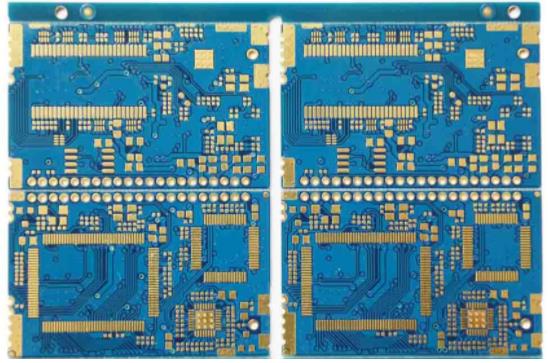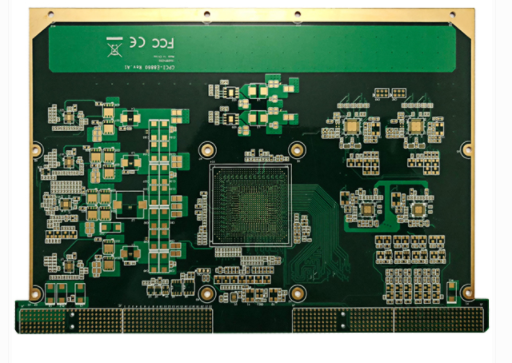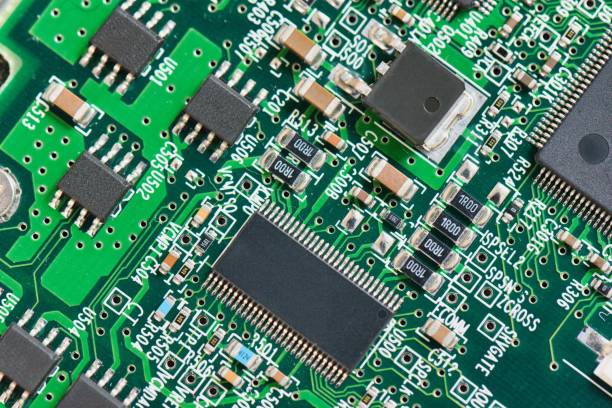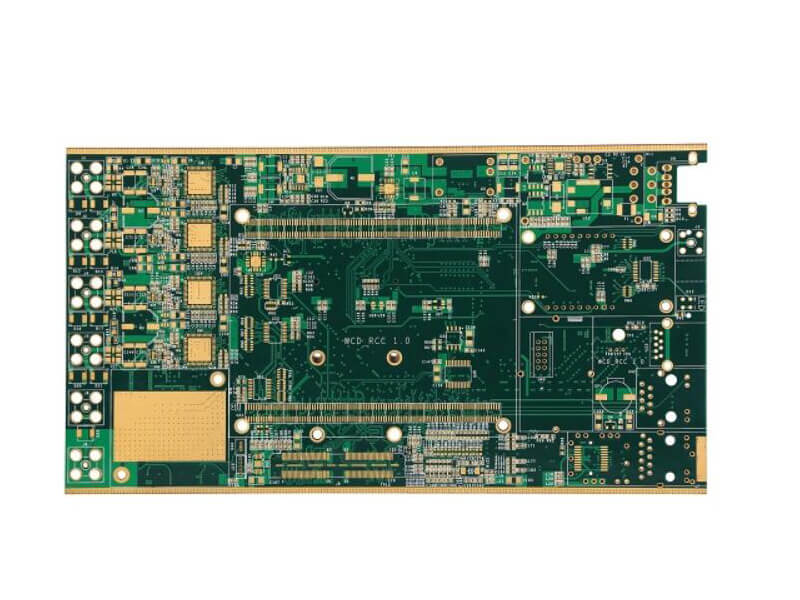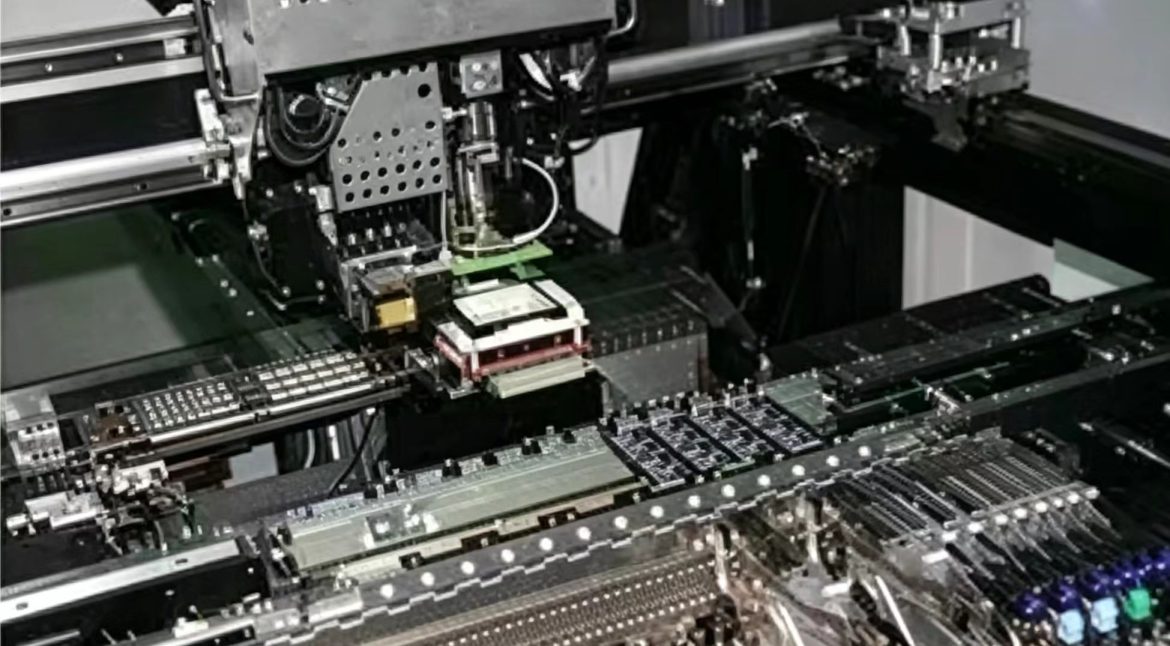
Even the most carefully designed High-Frequency PCB can experience variations in electrical performance after fabrication. Although modern computer-aided engineering (CAE) and electromagnetic (EM) simulation tools can predict circuit behavior under carefully defined conditions, simulation results are only as accurate as the manufacturing parameters used in the model. In practical PCB…
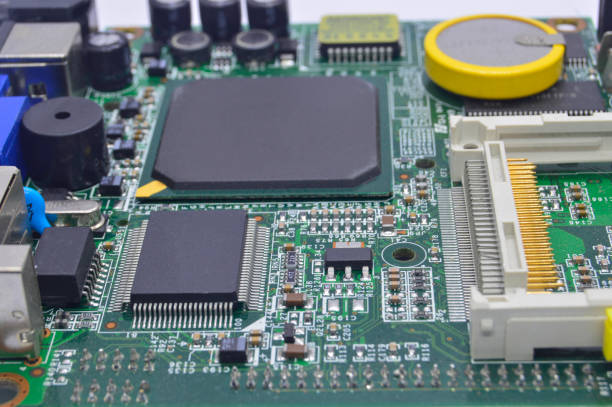
How to Repair a PCB Pad: PCB Pad Repair, Lifted Pad & Trace Repair Guide Printed circuit boards have become increasingly compact and sophisticated as electronic products continue to demand higher functionality, smaller dimensions, and greater reliability. A modern PCB may contain hundreds or thousands of components, with each component…
ENIG PCB vs HASL PCB: A Complete Comparison The finish on exposed copper decides how a board solders, stores and survives. ENIG and HASL both protect pads, yet they work in opposite ways. One builds a thin chemical nickel-gold layer. The other coats pads with molten solder and levels it…
How to Change PCB Colors in Altium: PCB Design & Layout Visualization Guide PCB design is the foundation of the final printed circuit board and one of the most critical stages in product development. The PCB layout provides the basis for subsequent PCB manufacturing, assembly, testing, inspection, and troubleshooting. A…
As electronic systems continue to operate at higher frequencies and faster data rates, material selection has become increasingly important in PCB Manufacturing. Glass fiber is widely used to reinforce dielectric substrates because it provides excellent mechanical strength, dimensional stability, and durability. However, glass reinforcement can also introduce electrical variations that…
When selecting a PCB manufacturing company, technical expertise, production capability, quality control, and supply chain reliability are all important factors to consider. A qualified PCB manufacturer should not only be able to fabricate standard circuit boards but also provide the engineering support and manufacturing flexibility required for complex electronic products.…
High Tg PCB Applications: Where They Are Used High Tg boards earn their place where heat and load arrive together. The glass transition temperature marks a shift in the resin system. Below that point the laminate stays stiff and holds its shape. Above it, the resin softens and expands more…
How to Print a PCB: PCB Printing, Design & Manufacturing Process Guide A Printed Circuit Board (PCB) is both a mechanical platform and an electrical interconnection structure for electronic components. Before any electronic product can be manufactured and assembled, its circuit architecture, component placement, routing, and manufacturing requirements must be…
PCB Functional Testing: Building a Custom Test Solution A generic test program rarely fits a real board. Each PCB carries its own power rails, signal types, interfaces and failure risks. A test plan copied from another project may miss the faults that matter most. Building a custom solution starts with…
Motherboard PCB Layers: PCB Layer Count, Stackup & Multilayer PCB Design Guide A motherboard is the central circuit platform of a computing, communication, or automation system. It connects processors, memory, storage devices, interfaces, power circuits, and peripheral components, enabling the system to receive inputs, process data, generate outputs, and communicate…