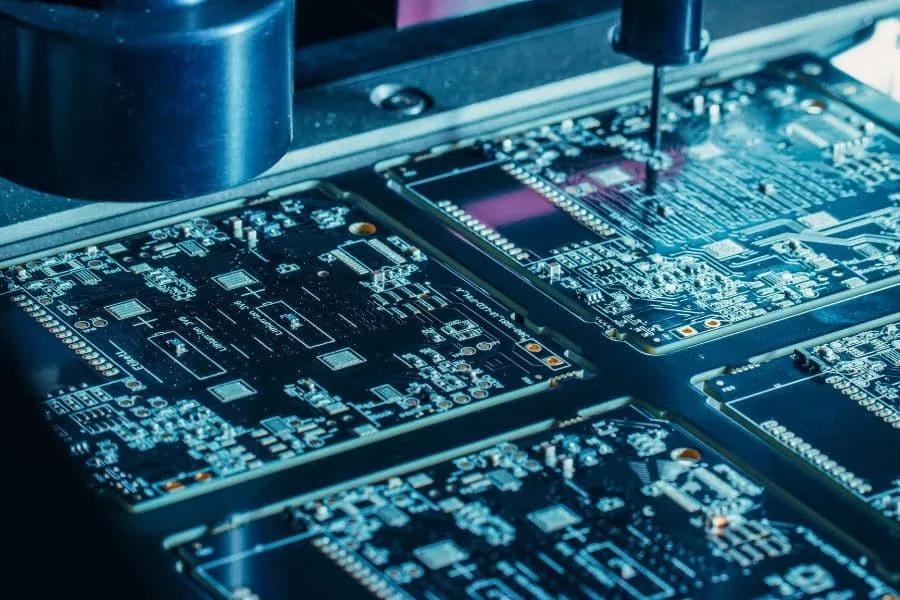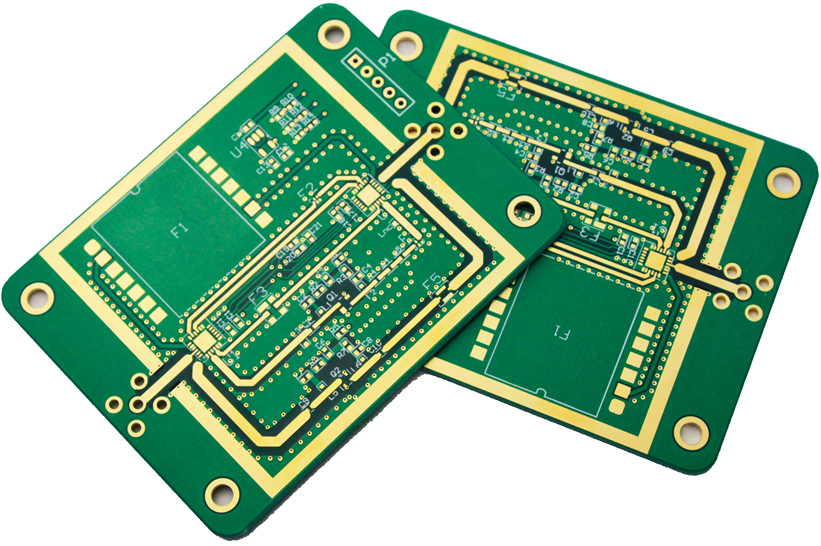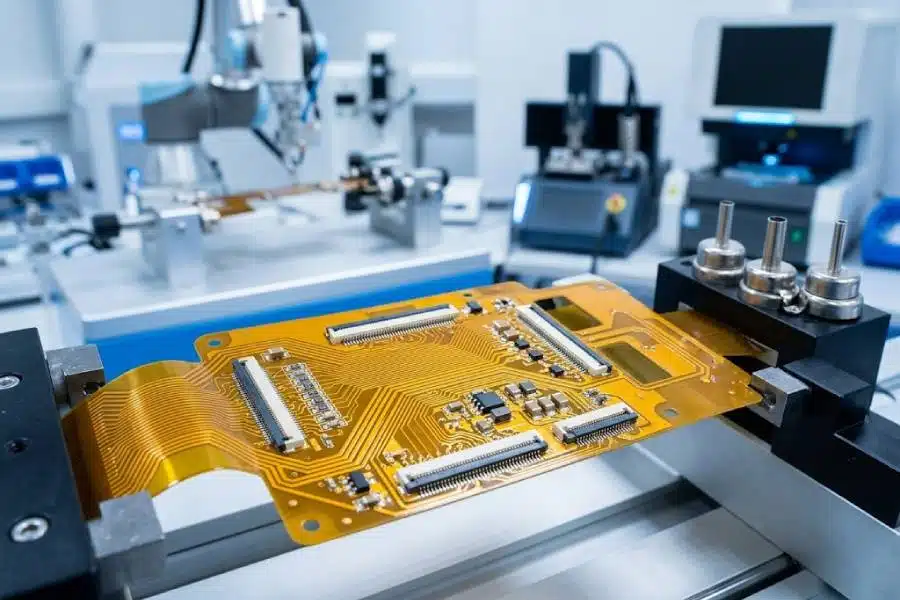
How to Choose the Right PCB Surface Finish for Your Project The surface finish protects exposed copper and keeps it solderable. It also shapes how a board behaves in storage, in assembly, and in the field. Selection is not a price comparison alone. Engineers should weigh the operating environment, the…
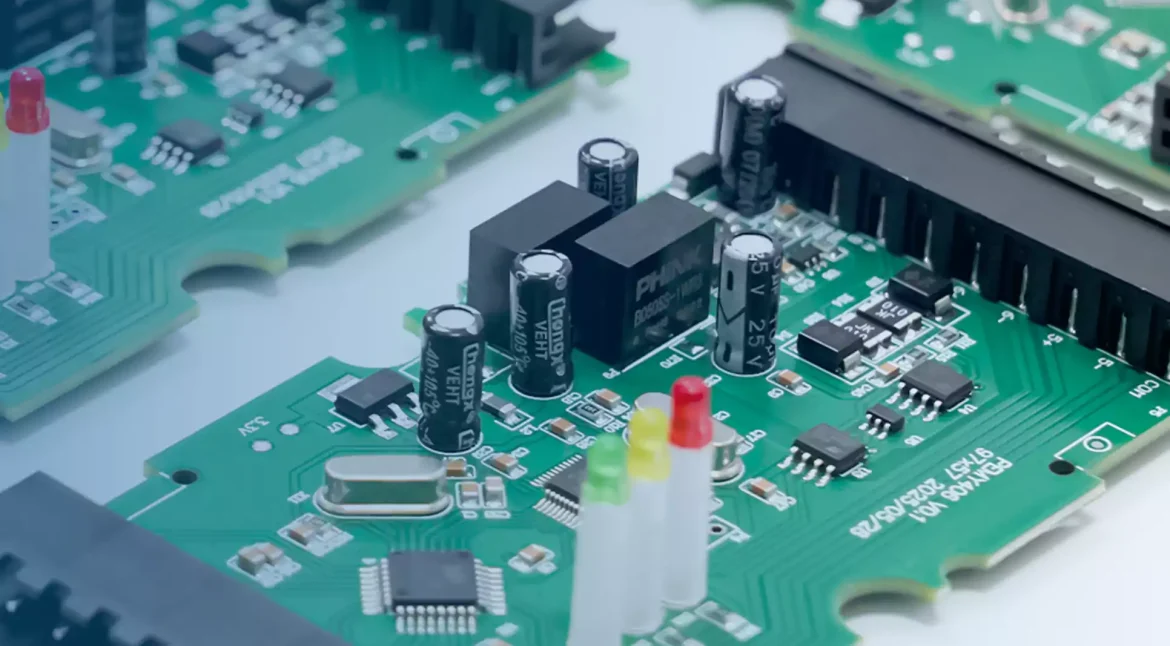
Heavy Copper PCB Prototyping for Industrial Power Boards Industrial power boards carry currents that standard copper cannot handle comfortably. A motor drive or battery charger may push tens of amps through a few traces, and thin copper simply runs too hot. Heavy copper, usually 2 oz or more, gives the…
Railway PCB Manufacturing for Control Systems Railway control hardware must keep working through vibration, heat, humidity, and long service cycles. A single board failure can interrupt signaling, train control, or communication across a whole line. That risk shapes every decision in fabrication, from laminate choice to final electrical test. This…
Railway Signal PCB Reliability for Rail Transit A signal board in a rail network rarely fails alone. It sits inside interlocking racks, track circuits, and onboard control units that must keep working through heat, vibration, and years of service. The design choices behind a railway signal PCB therefore matter more…
High Railway Signaling PCB Reliability Controls Railway signaling hardware rarely fails for one dramatic reason. Most problems start as small process drifts that pass unnoticed until a board reaches the track. A signaling PCB must hold stable electrical paths through heat, vibration, humidity and electrical noise for many years. That…
Rail Transit PCB for Reliable Train Door Control Systems Train doors sit at the boundary between passengers and a moving vehicle. Every open and close cycle passes through a control board that reads position, checks locks, and confirms commands. A rail transit PCB for door control must hold that behavior…
Heavy Copper PCB: High-Current Power PCB Manufacturing Power boards fail for boring reasons. A trace heats up, the laminate ages faster, and a joint cracks after a few thousand thermal cycles. Heavy copper PCB manufacturing addresses the first link in that chain by adding conductive metal where the current actually…
PCB Prototyping vs. Low-Volume vs. Mass Production PCB prototyping, low-volume production, and mass production mark different stages of product development. No single global quantity standard separates them. Manufacturers commonly distinguish the three by order volume, manufacturing objective, process control, and delivery expectations. Engineers and buyers who understand these differences can…
Rigid-Flex PCB Lamination: Key Technologies and Control Rigid-flex boards bond stiff FR-4 sections to thin polyimide flex tails in one package. The lamination press is where those unlike materials become a single structure. Heat, pressure and time must suit both material families at once. A profile that works for rigid…
30-Layer PCB Manufacturing for High-Density Electronics A 30-layer board packs signal, power, and ground networks into one compact structure. That density is why designers reach for it in AI servers, 5G equipment, aerospace systems, and advanced medical devices. It is also why the build is far less forgiving than a…