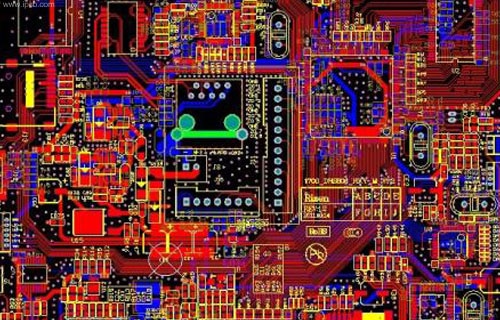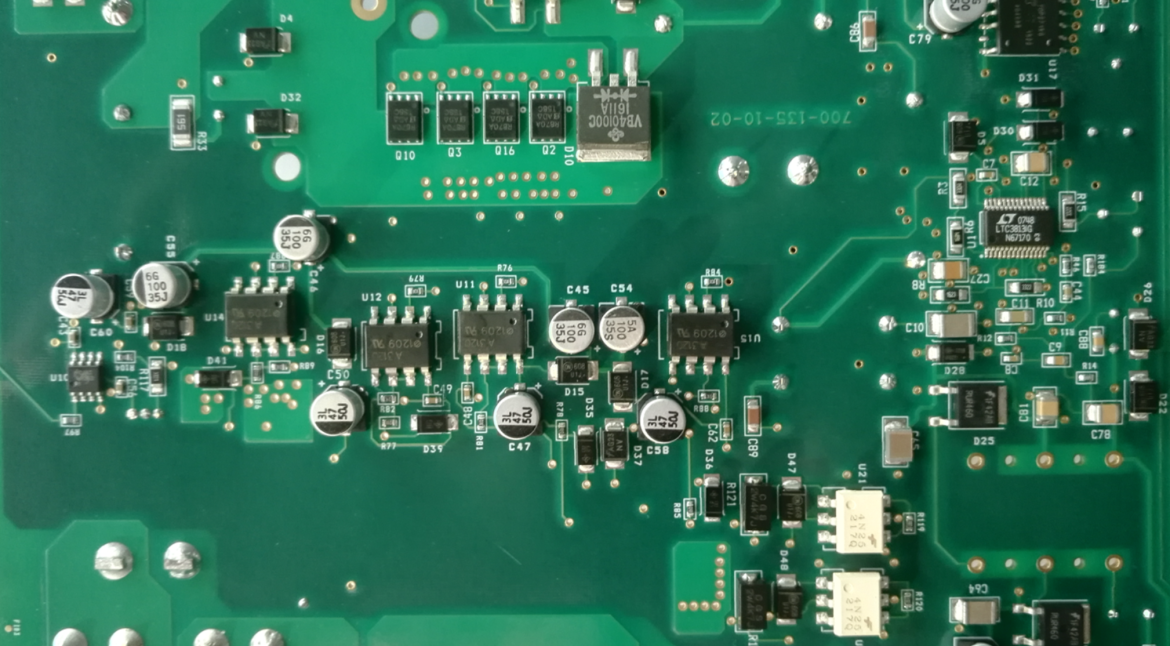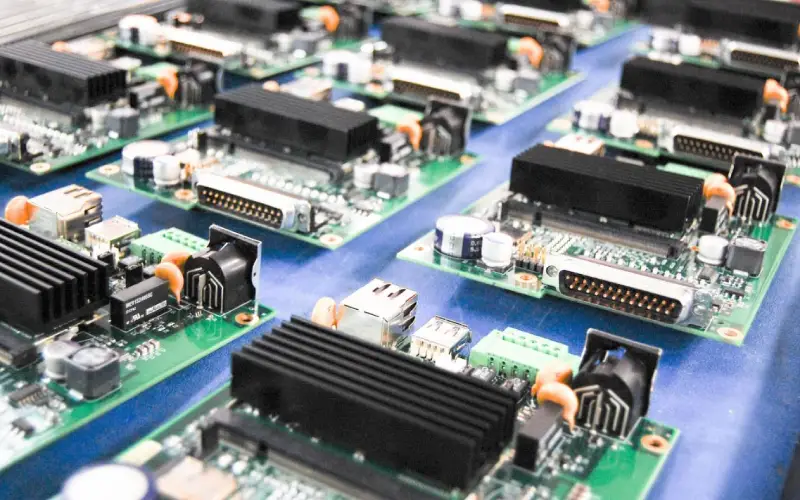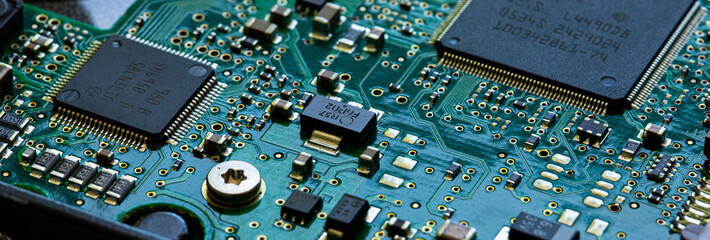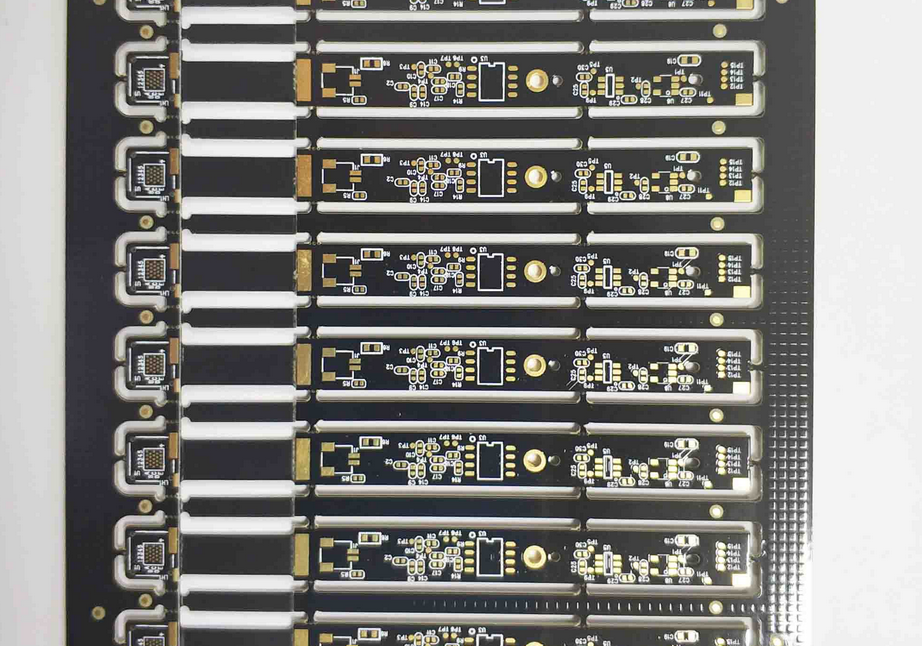
Miniaturized HDI PCB for 5G Communication Modules 5G modules pack processors, RF front ends, antennas and power circuits into very little space. A conventional through-hole board often runs out of routing room before the design is complete. Miniaturized HDI boards answer this by combining fine lines, microvias and sequential lamination.…

High-Speed 5G Communication PCB Materials: Selection Material choice sets the ceiling for every 5G board that follows. A laminate with the wrong loss profile cannot be rescued by routing skill or tighter plating. The selection decision therefore belongs early in the project, before the stackup is frozen and before tooling…
Precision PCB Manufacturing for Industrial Sensor Interface Boards Industrial sensor interface boards sit between a sensor and a controller, so they carry weak analog signals and fast digital data on the same substrate. They also live inside machinery that runs for years, where heat, vibration and humidity never stop. That…
5G Base Station PCB Manufacturing for High-Frequency RF A 5G base station board carries RF transmission lines, power distribution, digital processing and thermal paths on one structure. Small cells and micro base stations make that mix tighter, because coverage density pushes more functions into less space. The board must hold…
Lightweight Medical PCB Manufacturing for Portable Devices Portable medical devices put unusual pressure on the circuit board. A handheld monitor or a wearable sensor must be small, light and comfortable, yet it still has to measure and communicate reliably. Weight and size are not cosmetic details here, because they decide…
High-Reliability Press-Fit Hole PCB Manufacturing Guide A press-fit hole is not an ordinary drilled hole. It carries a compliant pin that must grip the barrel wall without cracking copper or stressing the laminate. In industrial controls, medical monitors, automotive modules and aerospace racks, that grip decides whether a connector survives…
Medical PCB Manufacturing for Diagnostic Equipment Diagnostic equipment such as CT scanners, ultrasound systems, and laboratory analyzers depends on boards that behave predictably for years. The bare board carries sensors, processors, power circuits, and imaging modules, so every layer must support the full system. Medical PCB manufacturing is therefore a…
Multilayer PCB Lamination Process Control Guide Lamination turns a loose stack of cores, prepreg and copper foil into one solid multilayer board. The press cycle bonds every layer under heat and pressure, so it decides thickness, registration and long-term reliability. Two outcomes matter most: layers must stay aligned, and the…
Automotive Sensor PCB Manufacturing and Quality Control Automotive sensors collect temperature, pressure, position, speed, and acceleration data across the vehicle. Their readings feed powertrain control, driver assistance, and safety functions. The circuit board underneath each sensor carries power, routes signals, and holds the components in place. That board must survive…
PCB Traces, Through Vias, Blind Vias and Buried Vias Explained A finished board looks flat, yet its electrical network runs in three dimensions. Copper traces carry current sideways across each layer. Vias carry signals and power vertically between layers. The choice between a through via, a blind via and a…