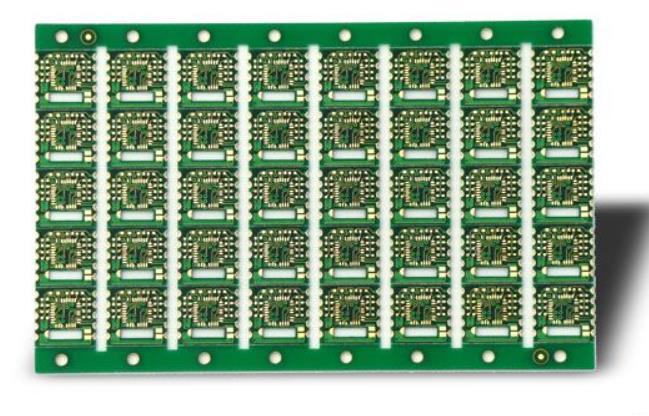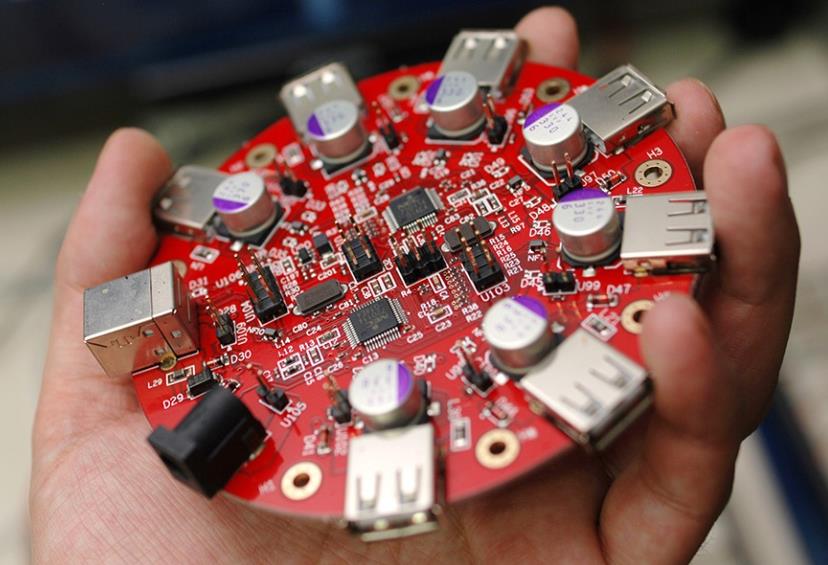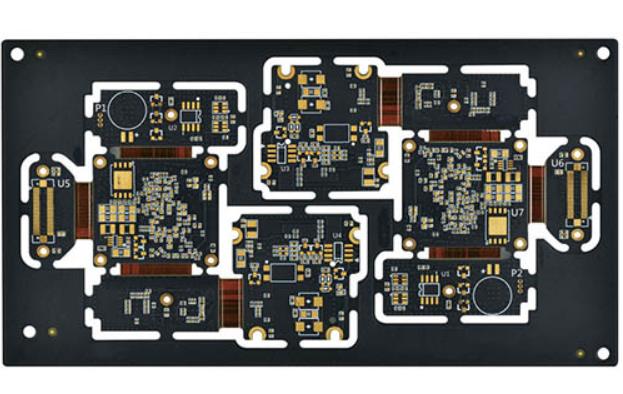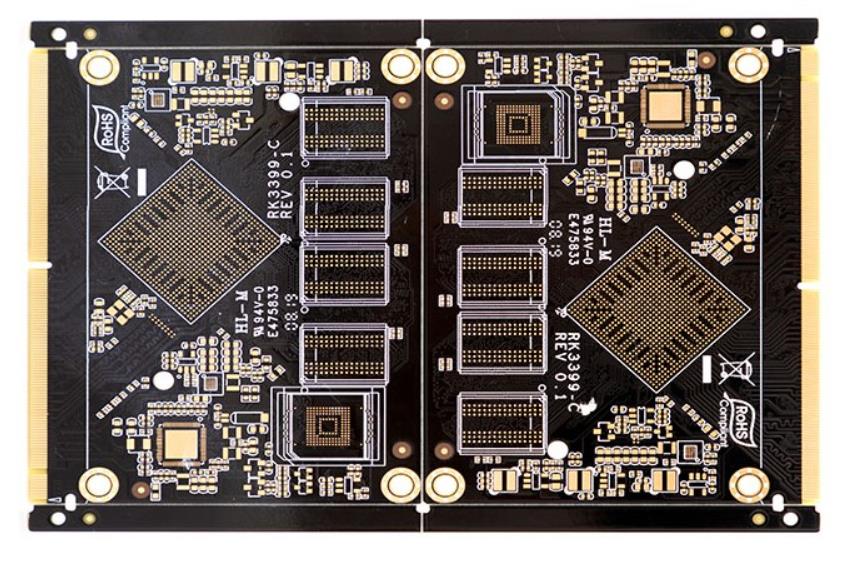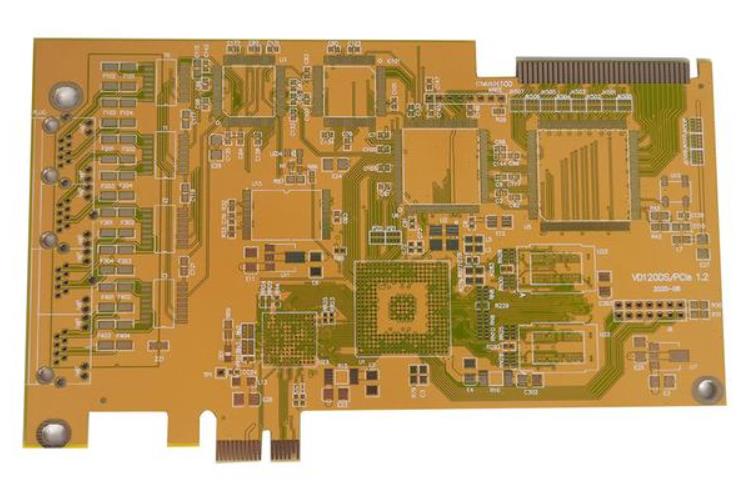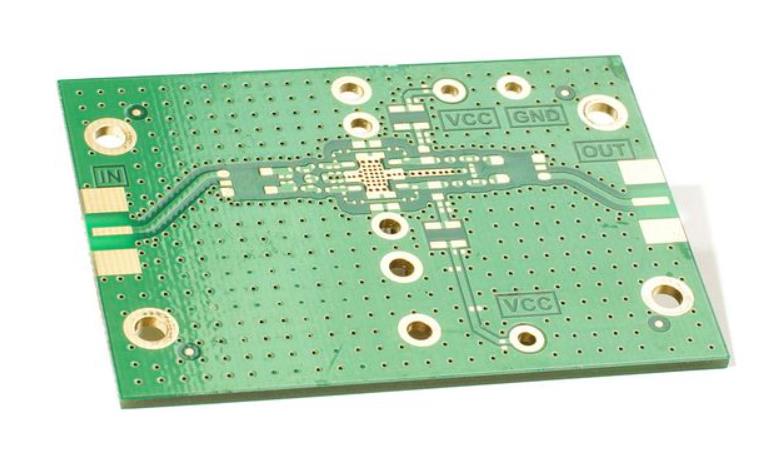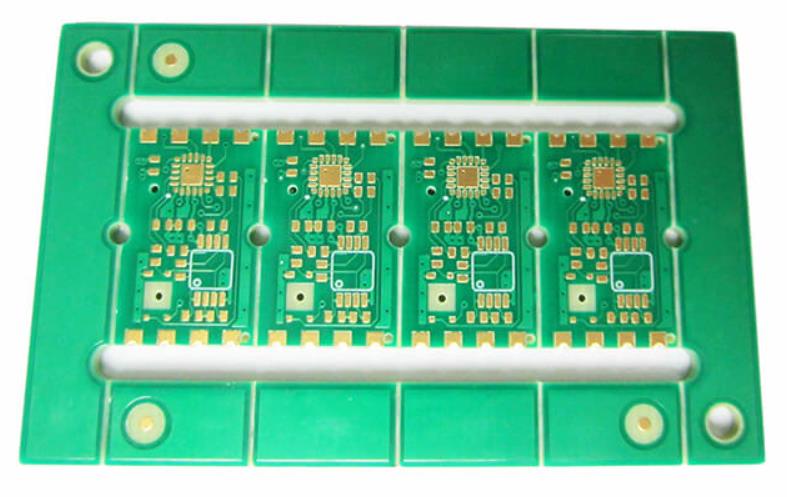
6-Layer PCB Prototype Guide: What Matters on the Production Line A 6-layer PCB prototype is a small batch of six-layer circuit boards made to validate a design before volume production. Product development teams use prototypes to test electrical behavior, fit, signal quality, and manufacturability. A 6-layer board provides more routing…
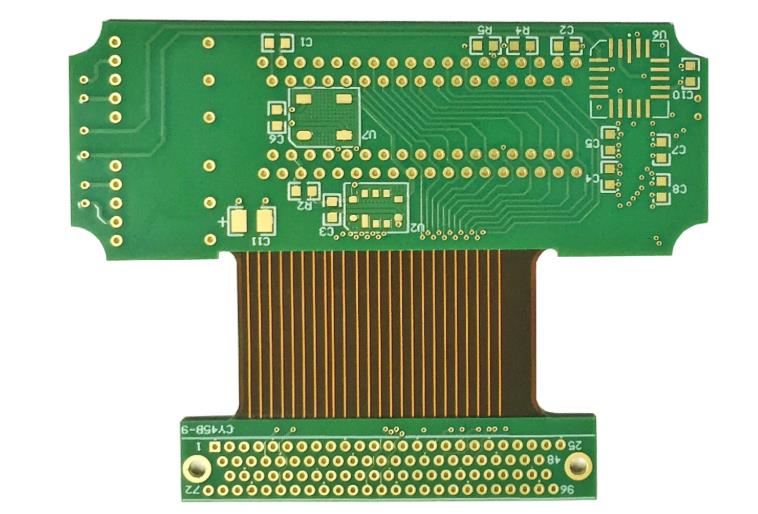
Second-Order HDI PCB: A Factory-Floor Review A second-order HDI PCB is a high density interconnect board with additional microvia layers that allow more complex routing and higher component density than a first-order HDI design. It is used in smartphones, 5G equipment, automotive controllers, medical devices, and aerospace systems where board…
Wearable Display PCB Guide: Design, Cost and Applications Smart watches, fitness bands, AR glasses, and medical wearables have one thing in common: a small, flexible circuit board that connects the display, sensors, and processor while sipping power. The wearable display PCB is the quiet enabler behind every feature these devices…
Smart Glasses PCB Cost Guide: Price Factors and Sourcing Tips Smart glasses have become one of the most talked-about products in consumer electronics, combining cameras, displays, sensors, and wireless connectivity inside a frame that must still look and feel like eyewear. Behind that trick sits the smart glasses PCB, an…
High Density Printed Circuit Board: Design, Process, and Quality Notes A high density printed circuit board connects more components, signals, and power paths in a smaller space than a conventional board. It acts like a precision traffic hub inside an electronic product, directing data between processors, memory, sensors, radios, and…
Video Recorder PCB Guide: Structure, Cost and Manufacturing Video recording has moved far beyond the family camcorder. Consumer cameras, car dash cams, and professional monitoring systems all depend on a video recorder PCB that captures images, compresses them, stores the data, and connects to displays and networks. The board is…
Breadboard PCB Guide: Structure, Types and Advantages Every electronics project starts somewhere, and for most engineers and hobbyists that somewhere is a breadboard. The classic solderless breadboard is perfect for quick experiments, but its spring contacts become unreliable when a circuit must run for days or carry real current. That…
Power Supply PCB Manufacturer: Selection and Manufacturing Guide A power supply PCB manufacturer must understand more than standard circuit board production. Power supply boards carry current, switch voltage, manage heat, and control electromagnetic interference. The PCB directly affects the efficiency, stability, and lifetime of the power supply. If the board…
GPS Tracker PCB Guide: Design, Cost and Applications Location is now a feature of almost everything. Vehicles, delivery parcels, pets, tools, and people are tracked every day, and behind each tracker sits a GPS tracker PCB that receives satellite signals, computes position, and sends the result to the cloud. For…
High-End PCB Manufacturing Guide: A Practical Review for Manufacturing Teams A high-end PCB is not simply a more expensive version of a standard circuit board. It must deliver superior electrical performance, precise manufacturing, advanced materials, and strict quality control for systems where failure is costly. High-end boards appear in 5G…