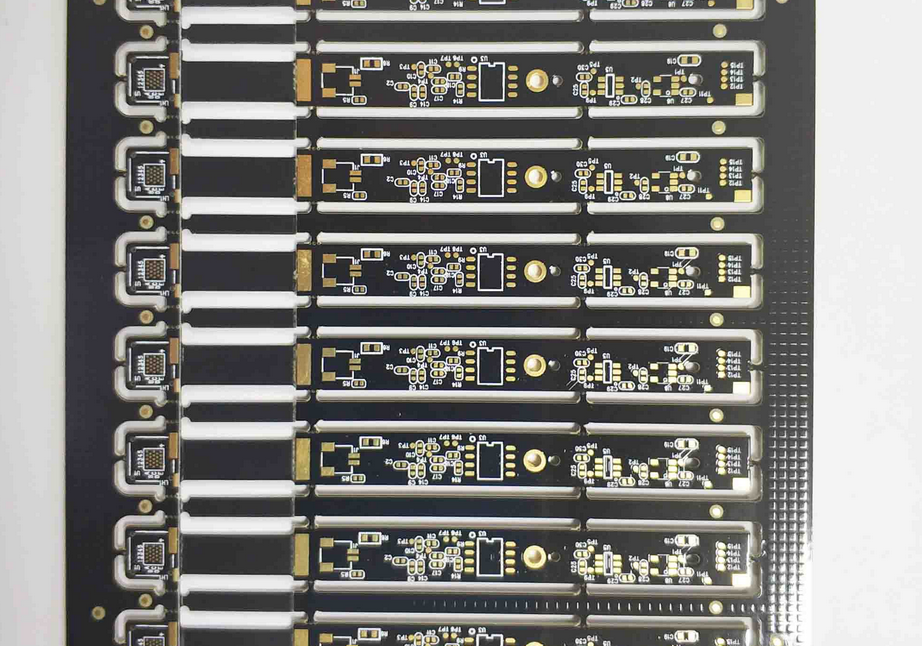
Miniaturized HDI PCB for 5G Communication Modules: From Prototype to Volume Production As communication technologies continue to evolve, 5G modules are becoming smaller, faster, and more highly integrated. This trend creates increasingly demanding requirements for circuit board design and manufacturing. Conventional PCB structures may not provide sufficient routing density…
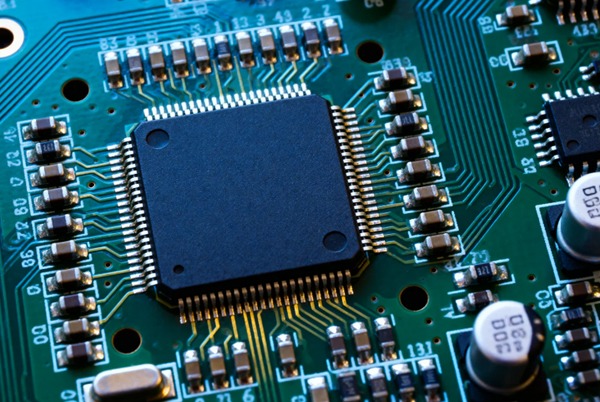
High-Speed 5G Communication PCB Materials: Key Process and Quality Checks As the core carrier for high-frequency signal transmission and data processing, a High-Speed 5G Communication PCB plays a critical role in determining communication quality, transmission efficiency, and long-term system stability. Unlike conventional circuit boards, 5G applications place significantly higher…
Precision PCB Manufacturing for Industrial Sensor Interface: A Factory-Floor Review Industrial automation, smart manufacturing, and intelligent monitoring systems rely heavily on sensors to collect accurate information from machines, equipment, and operating environments. As the interface between sensors and control systems, the sensor interface board is responsible for signal transmission,…
5G Base Station PCB Manufacturing | High-Frequency RF PCB: Practical Process Controls As 5G networks continue to expand, small cells and micro base stations are becoming increasingly important for achieving dense network coverage, improving indoor connectivity, and filling coverage gaps in complex environments. At the center of these communication…
Lightweight Medical PCB Manufacturing for Portable Medical: From Design to Repeatable Production As medical technology continues to move toward portability, mobility, and compact integration, portable medical devices are becoming increasingly important in modern healthcare. From emergency medical equipment and bedside monitoring systems to home healthcare products and wearable medical electronics,…
High-Reliability Press-Fit Hole PCB Manufacturing: What Buyers and Engineers Should Check In industrial automation, medical equipment, aerospace-related electronics, and other applications where stability and durability are critical, a High-Reliability Press-Fit Hole PCB serves as an important platform for signal transmission, electrical interconnection, and mechanical support. The manufacturing quality of…
Medical Diagnostic Equipment PCB Manufacturing: Precision and Reliability Medical diagnostic equipment—including CT scanners, MRI systems, ultrasound equipment, biochemical analyzers, patient monitoring systems, and laboratory instruments—depends on highly reliable electronic systems to deliver consistent performance. At the center of these systems is the Medical PCB, which provides the electrical interconnection…
Multilayer PCB Lamination Process: A Practical Manufacturing Guide The lamination process is one of the most critical stages in Multilayer PCB manufacturing. It combines inner-layer circuits, prepreg materials, copper foils, and other structural materials into a single multilayer board through controlled temperature and pressure. During this process, two factors…
Automotive Sensor PCB Manufacturing: Design and Assembly Considerations Automotive sensors act as critical sensing components within modern vehicles. They continuously collect information related to temperature, pressure, position, speed, acceleration, environmental conditions, and vehicle operating status. Their performance directly affects powertrain control, driver assistance, safety systems, and vehicle intelligence. At the…
PCB Traces, Through Vias, Blind Vias and Buried Vias Explained: A Practical Review for Manufacturing Teams In modern electronic systems, a PCB serves as a precision platform for electrical interconnection, signal transmission, power distribution, and component integration. Although a circuit board may appear to be a simple flat structure,…