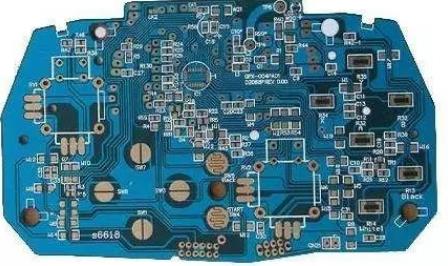
PCB Electroless vs Electrolytic Copper: Key Differences, Process Flow, and Quality Control Explained In PCB manufacturing, copper is the core conductive material. The traces, pads, vias, and interlayer interconnection structures on a PCB all rely on copper layers to achieve stable electrical connections. In actual PCB production, terms such as…
2026 Any-Layer HDI PCB Manufacturing Cost Breakdown: Price Factors, Influencing Elements & Cost-Saving Guide August 31, 2026 As electronic devices become smaller, faster, and more functionally integrated, traditional multilayer PCBs are increasingly challenged by limited routing space. Any-layer HDI PCB technology offers a solution by enabling high-density interconnections across multiple…
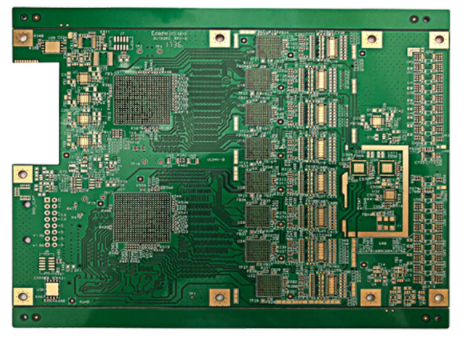
With the rapid development of the electronics industry, electronic products are becoming increasingly smaller, lighter, and more powerful. This trend has created both opportunities and challenges for PCB Manufacturing and electronic assembly technologies. Modern electronic devices such as smartphones, communication equipment, automotive electronics, medical devices, industrial control systems, and wearable…
One-Stop PCB Urgent Service: Complete Solutions from Rapid Prototyping to Mass Production April 2, 2026 In today’s fast-evolving electronics manufacturing industry, “speed” has become a core competitive factor. Whether developing smart hardware, automotive electronics, or IoT products, the PCB production cycle directly impacts time-to-market and business opportunities. That’s why one-stop…
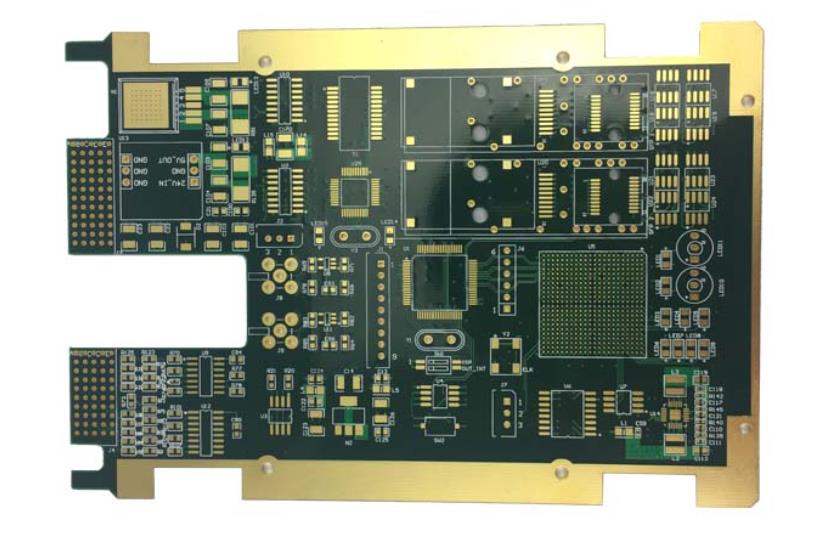
With the continuous development of electronic products toward miniaturization, higher integration, and improved reliability, the requirements for PCB Manufacturing technology are becoming increasingly strict. As one of the most important processes in printed circuit board production, PCB Surface Treatment technology directly affects solderability, electrical performance, storage life, and long-term reliability…
With the rapid development of microelectronic technology, the manufacturing requirements for PCB (Printed Circuit Board) products are continuously increasing. Modern electronic devices are moving toward miniaturization, higher integration, higher performance, and lighter designs. As a result, advanced PCB technologies such as HDI PCB, Rigid-Flex PCB, and high-density multilayer boards have…
What Is Consignment PCB Assembly? A Complete Guide to Custom Consignment PCB Assembly with Fast Delivery In today’s rapidly evolving electronics manufacturing industry, speed, cost control, and supply chain flexibility are critical success factors. Whether you are a startup developing product prototypes or an OEM expanding production capacity, custom consignment…
Today, almost all electronic products, including communication equipment, computers, medical devices, automotive electronics, industrial control systems, smartphones, and wearable devices, rely on Printed Circuit Board (PCB) technology. As one of the most important foundations of modern electronics, PCB provides electrical connections and mechanical support for electronic components, enabling complex circuits…
With the rapid development of microelectronic technology, electronic products are continuously moving toward miniaturization, higher integration, and increased functionality. As a result, the manufacturing requirements for High-Precision Multilayer PCB have become increasingly strict. Modern electronic devices require PCBs with finer circuits, smaller vias, higher layer counts, and more complex interconnection…
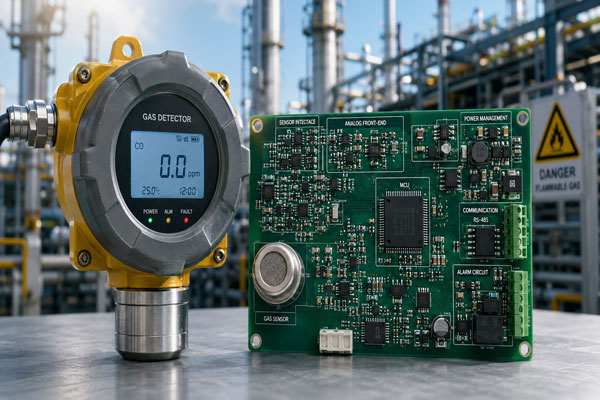
A chemical air detector is only as reliable as the electronics behind its sensing system. In industrial environments, gas detection equipment may need to continuously monitor hazardous gases while operating under temperature variation, vibration, electrical interference, and long operating cycles. This places higher demands on the Chemical Air Detector PCB…