Board To Board Connector: Board to Board Interfaces: Connectors and Return Paths Where a board has to be connected to another board, the interface between them is where most of the problems appear. The mechanical connection, the impedance of the link and the return path all have to be designed…
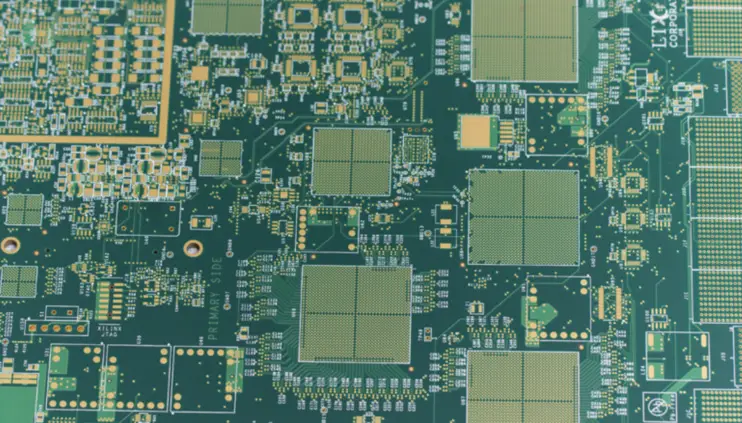
Dead Copper in PCB Layout: Remove It or Keep It? Dead copper is the copper left on a layer that no longer connects to any net. It appears wherever a pour is cut into isolated fragments by clearance, keepouts or traces, and it is usually removed automatically. The question worth…
Ceramic Substrates in Humanoid Robot Compute and Drive A humanoid robot concentrates an unusual combination of requirements into a small volume. It carries server grade compute for perception and motion planning, dozens of motor drives that draw high current in bursts, and a set of precision sensors whose signals are…
Ingress Protection: Industrial PCB Design Requirements Beyond the Circuit A board that is designed for a factory floor is different from one designed for a laboratory, and the differences are not in the electronics. They are in the mechanical protection, the temperature range, the serviceability and the documentation that allows…
Footprint: Pre-Prototype Review: The Checks That Save a Week The first prototype is the most expensive board a project will ever build, not because of its price but because of what a delay at that stage costs. Reviewing the design before the prototype removes most of the reasons a first…
Thermal Stress Screening and Burn-In for Assembled Boards Some failures appear in the first few hours of operation rather than after years in the field. Thermal stress screening exists to force those early failures to happen in the factory, where they can be analysed and corrected, instead of at a…
PCB Handling Damage and Scratch Prevention in Assembly Most boards are damaged before they are tested. A panel dragged across a bench edge, a stack slid without interleaving, or a connector dropped onto a rail leaves marks that may be cosmetic, may be repairable, or may have broken a trace…
Ionic Contamination: Moisture, Contamination and Cleaning of Assemblies Moisture and contamination are the two mechanisms that account for most of the electrochemical failures in electronic assemblies, and both are managed by the same discipline: keep the surface clean and keep it dry. The discipline is procedural, and it is easily…
Controlled Impedance: What Sets It and How It Is Verified Impedance is the property that links the physical layout to the electrical behaviour of a trace, and it is the one parameter that cannot be adjusted after the board is made. Understanding what sets it makes the constraint manageable rather…
Design For SMT Assembly: What The Line Needs A board is assembled by machines that have requirements of their own, and those requirements are cheaper to satisfy during layout than to work around during production. Design for assembly is not a set of arbitrary rules; each one comes from a…