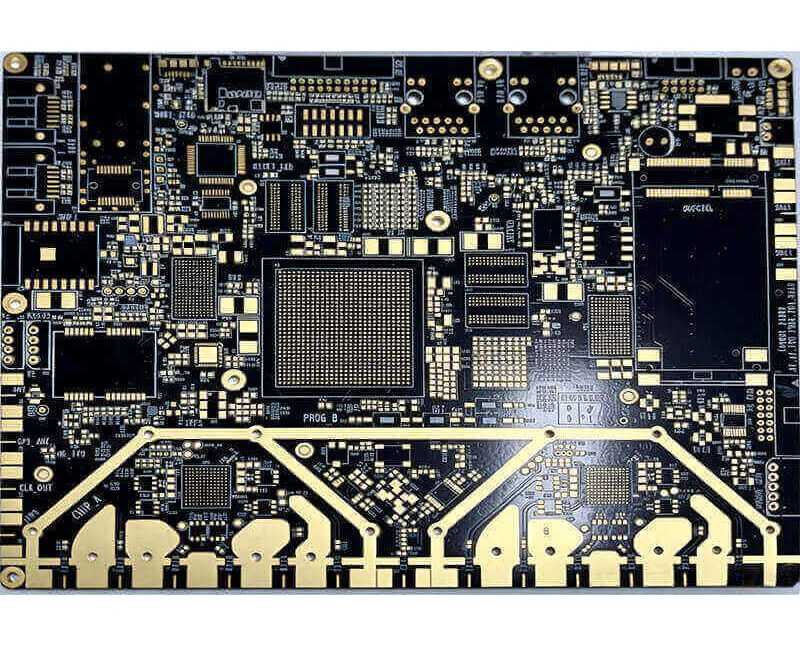
Solder Mask Design: Openings, Dams and Tenting Soldermask is often treated as a cosmetic layer, and it is anything but. It defines where solder may go, protects the conductors from the environment and from handling, and its openings constrain the stencil and the component footprint. What the Mask Has to…
Bill Of Materials: Design Rules and Process Limits The bill of materials is the document that turns a design into a product. It tells the buyer what to order, the store what to hold, the line what to place and the test engineer what to expect. When the bill of…
Junction Temperature: Thermal Design Practice for Electronic Assemblies An active electronic device is a source of heat that has to be removed, and the practice of thermal design is mostly about identifying which of the series resistances dominates and addressing that one rather than the others. The exercise is short…
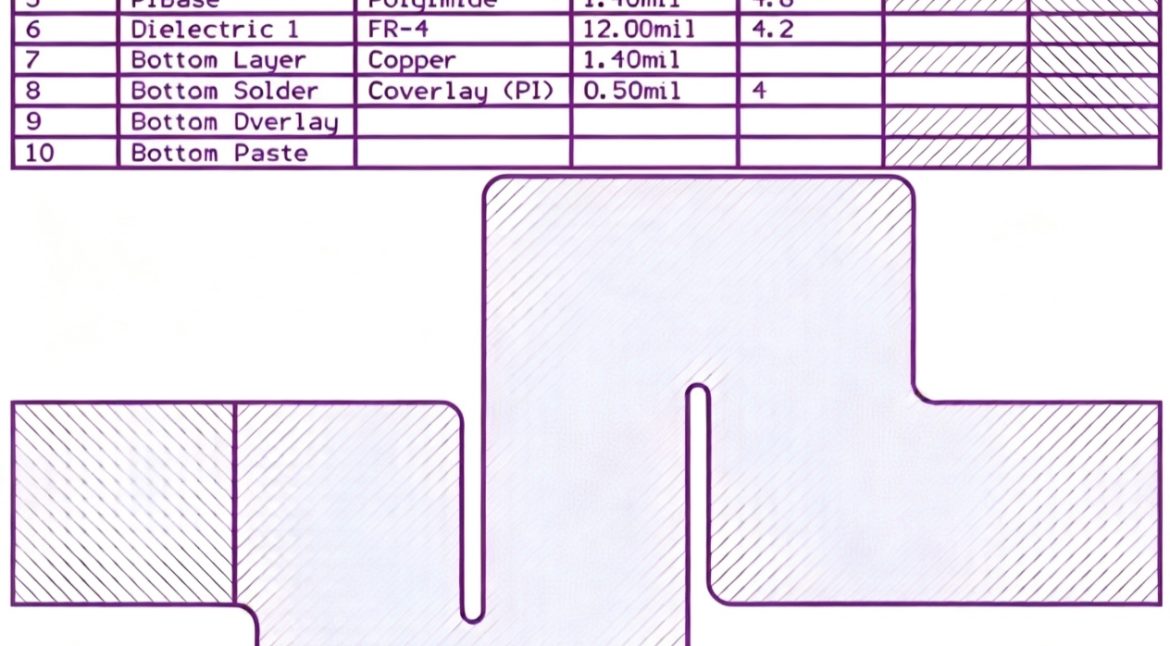
Planning an HDI Microvia Stackup Before Layout High density interconnect is often described as making the holes smaller, but that description misses the point. The real change is that the layer structure becomes a design variable rather than a fixed frame: the number of build-up layers, the thickness of each…
Preventing Solder Mask Skips and Voids Solder mask skips are the defects that look trivial and are not. A small area where the ink did not transfer leaves copper exposed, changes the surface the solder sees, and creates a point where contamination can reach the laminate. Because they are small,…
Aluminium Nitride: Preparation, Placement and Process Control Aluminium nitride occupies a specific niche among substrate materials. It is a ceramic that is electrically insulating and thermally conductive, and it is chosen when a circuit has to move a large amount of heat through an insulating layer rather than around it.…
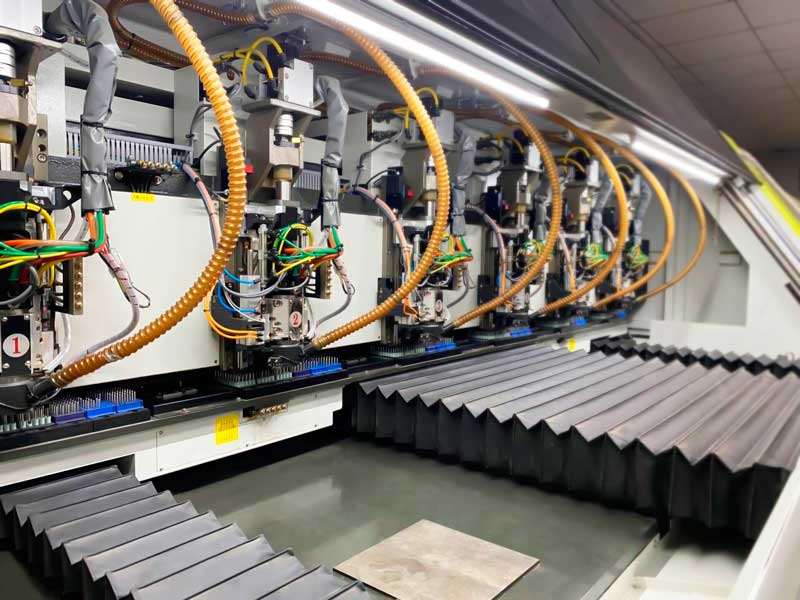
SMT Feeder Setup and Changeover in Production Lines Placement machines get the attention, but the feeders feeding them decide how the line actually performs. A misindexed feeder throws off every placement it serves, a worn tape guide causes pick errors that look like nozzle faults, and a slow changeover eats…
Mounting Hole: Mechanical Constraints That Shape the PCB Layout A printed circuit board is a mechanical component as much as an electrical one, and the mechanical requirements are usually stated late, after the layout is under way. Bringing them forward removes most of the late redesign that mechanical constraints otherwise…
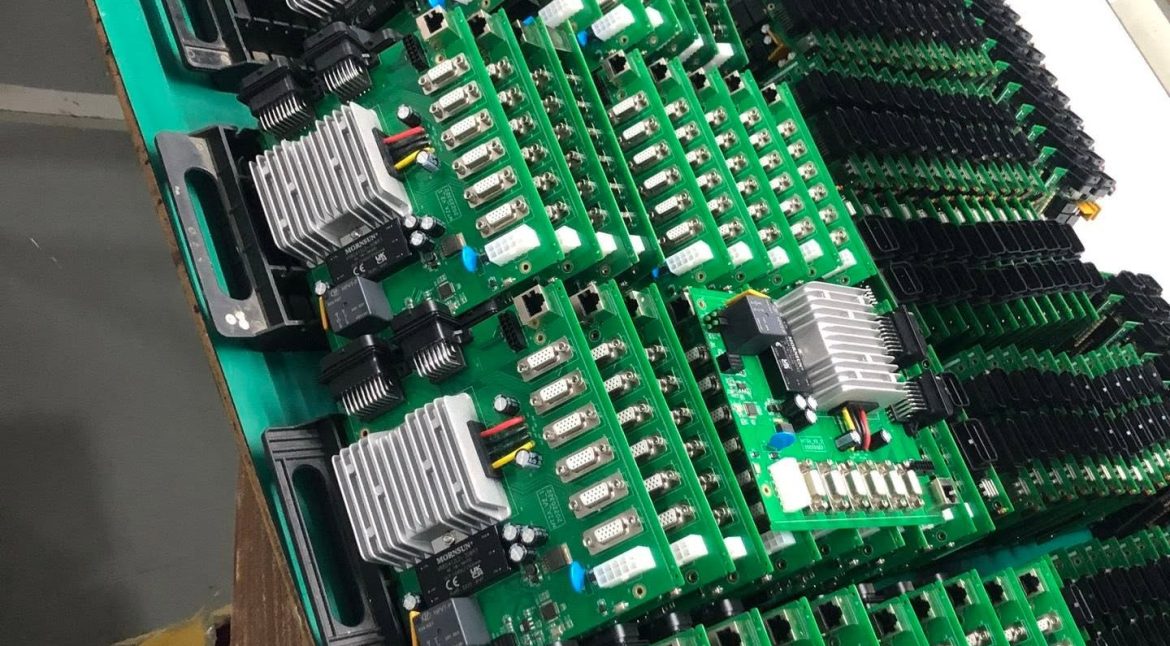
UPS Circuit Board Design: Inverter, Charger and Layout A UPS circuit board sits between the mains supply and equipment that is not allowed to stop, so it has to handle high voltage, high current, thermal cycling and continuous operation at the same time. The topology chosen at the start decides…
Surge Protection Design for a Low Voltage AC Supply Port A 36 volt AC supply rail does not look like a high risk interface. The voltage is low, the current is modest, and the connected equipment is often a controller, a sensor or a relay board. The mistake is to…