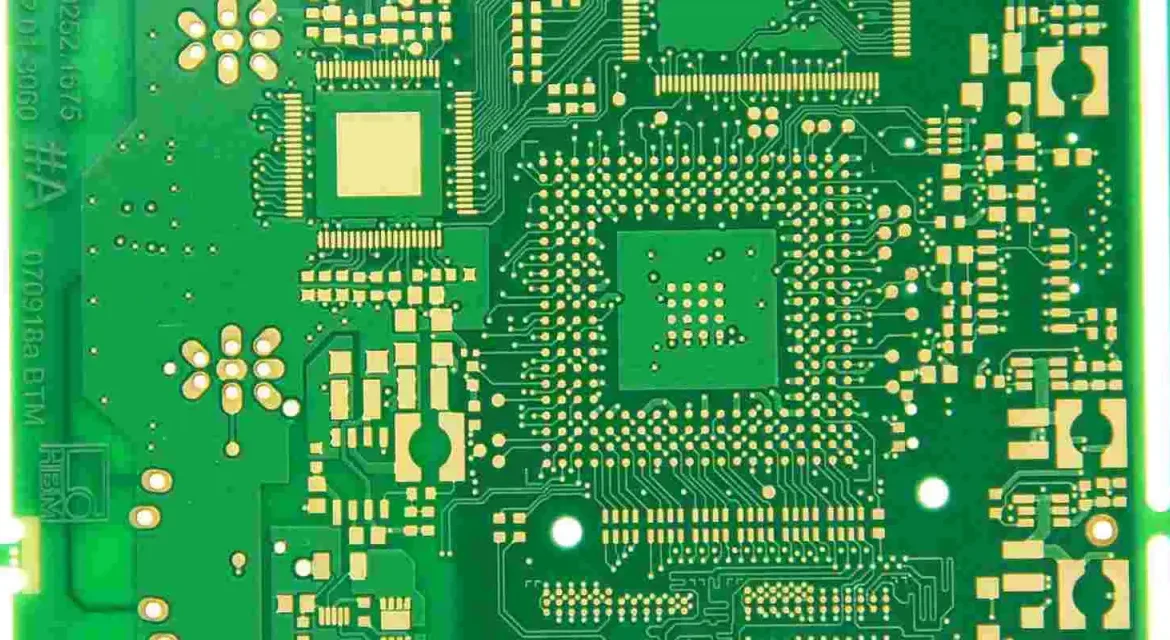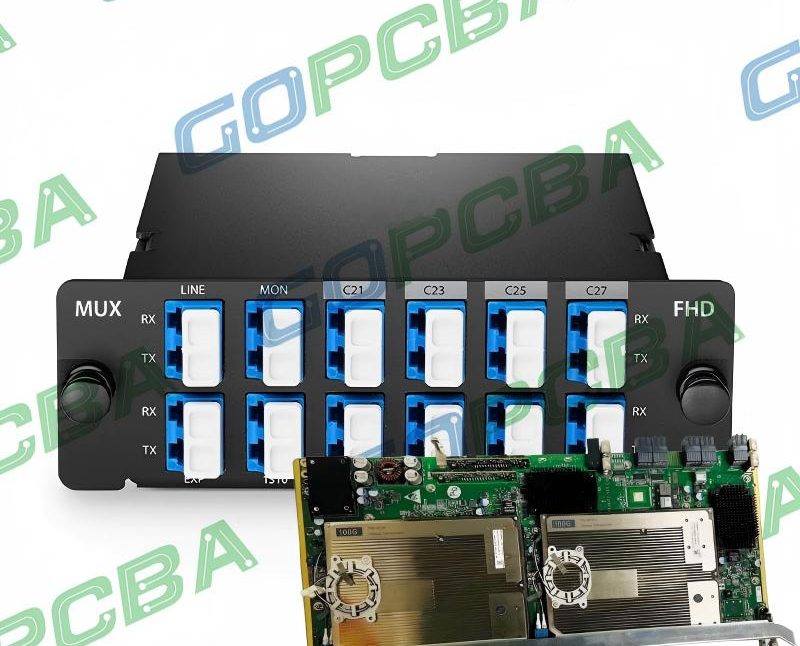
Choosing a High-Frequency Laminate: Dk, Df and Process Trade-offs Choosing a high-frequency laminate is a compromise between electrical loss, dimensional stability, thermal behaviour and what the fabricator can actually process. Two materials with the same nominal dielectric constant can behave very differently in a pressed panel, and the difference usually…
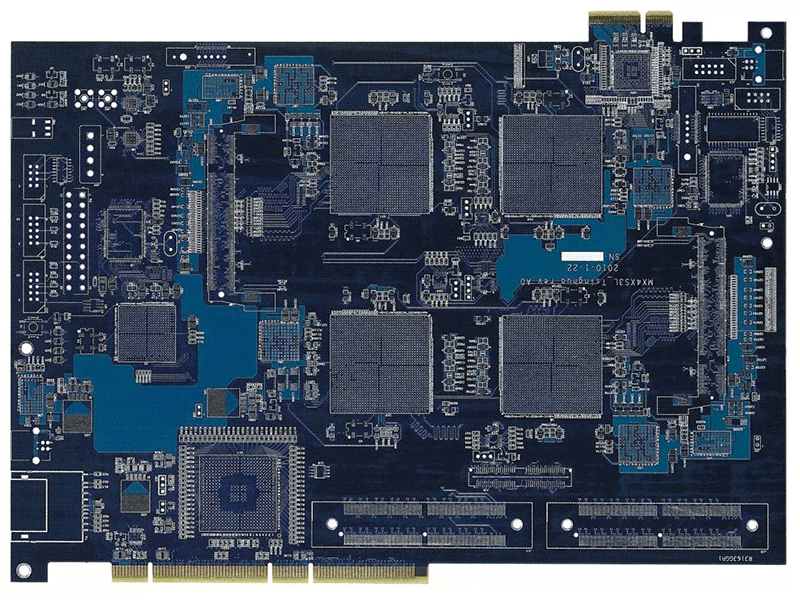
High Frequency Filter PCB: Layout and Tolerance Control A filter is one of the few circuits whose performance depends on the physical dimensions of the board rather than only on the components. In the lower megahertz range a filter is built from discrete parts, but as the frequency rises the…
Projector PCB: Architecture, Types and Design Considerations A projector packs a display engine, a bright light source, a video pipeline and a power supply into a box small enough to sit on a table. The electronics have to drive the light source with precise timing, move video data at high…
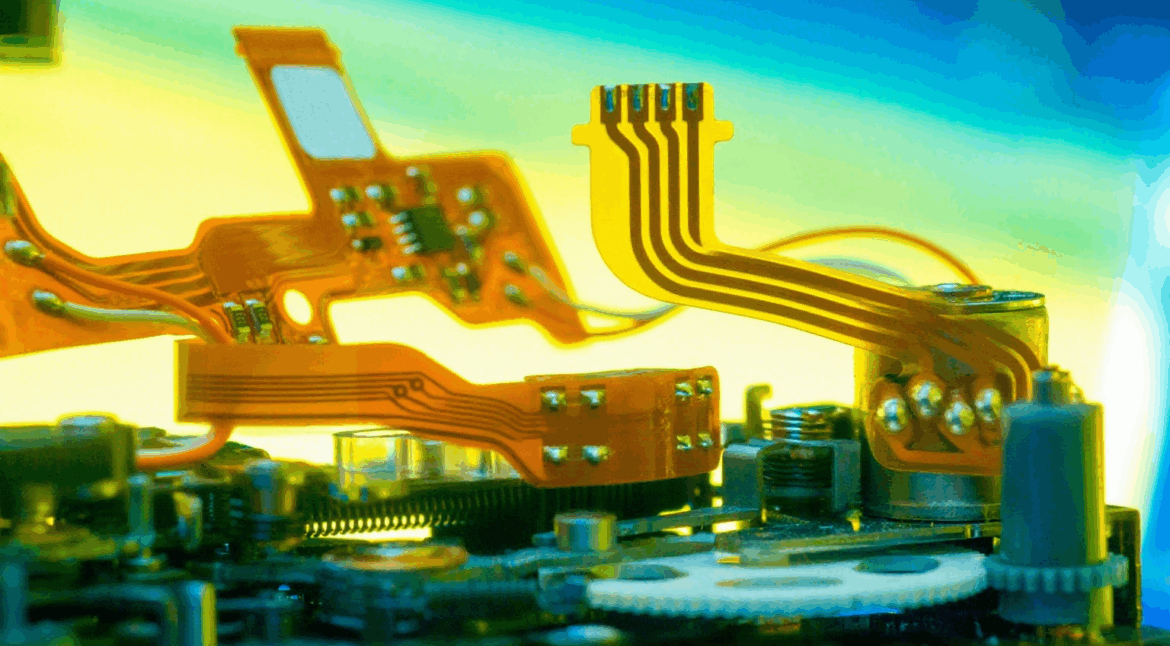
Soldered FPC Gold Fingers: Design Rules That Prevent Cracks Soldering a flexible circuit directly to a rigid board is cheaper than fitting a connector and mechanically stronger once it is done, which is why so many compact products use it instead of a board-to-board pair. It is also easy to…
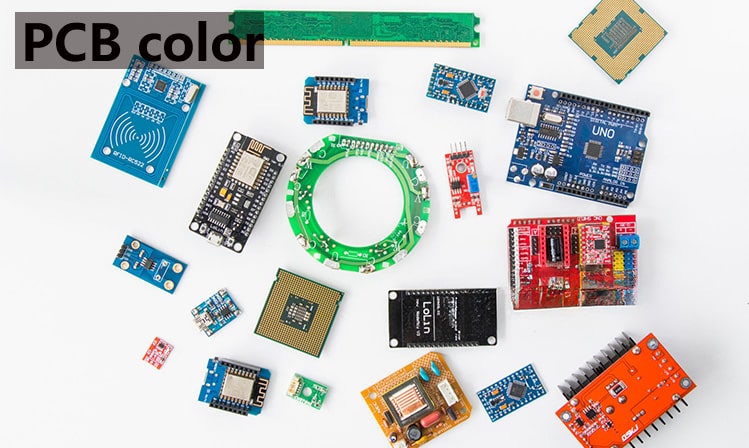
PCB Solder Mask Color: Process and Inspection Effects The color of a printed circuit board is the color of its solder mask, and it is the first thing anyone notices and the last thing that determines how the board performs. Green dominates for reasons that are almost entirely about process…
FR4 vs Rogers PCB for RF Modules: Choosing a Laminate A radio circuit at two gigahertz can survive on ordinary laminate. The same circuit at twenty-four gigahertz cannot, and the reason is not the schematic but the material the traces are printed on. Choosing between a standard FR4 and a…
Laser-Cut Stencil vs Electroformed Stencil for SMT Printing The stencil decides how much solder paste lands on every pad, and that single variable drives bridging, insufficient solder, tombstoning and the yield of the whole assembly line. Two processes dominate the market: cutting the apertures with a laser, and growing the…
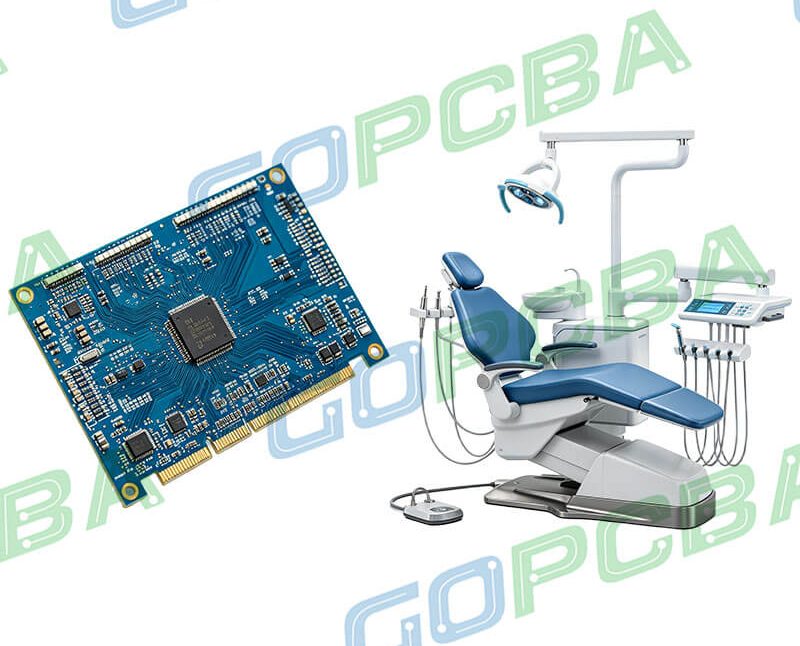
Medical PCB Requirements: What Changes Compared With Standard Boards A medical PCB is manufactured on the same equipment as any other board. What changes is the discipline around it: documented materials, controlled processes, evidence that each lot met its specification, and a quality system that can be audited. The circuit…
SMT Process Window and Process Capability Explained A process window is the range of settings within which a process produces an acceptable result. Process capability is the evidence that the line actually stays inside that range and repeats it shift after shift. Together they answer the question every customer eventually…
SMT Red Glue Stencil Aperture and Process Control Red glue is the adhesive used to hold surface mount parts on the underside of a board that will later pass over a wave solder bath. It is applied through a stencil or dispensed as a dot, then cured so that the…