Embedded Copper Coins: How Heat Leaves a Board Coin insertion, also called embedded copper, is the practice of pressing a solid piece of copper into a cavity in the board so that its face is flush with the surface. The coin becomes part of the thermal path, and in some…
Additive PCB Manufacturing: Process, Advantages and Limits Almost every circuit board in production today is made by subtraction. A panel arrives covered in copper, a resist protects the pattern, and the unwanted metal is etched away. Additive PCB manufacturing turns that logic around: copper is deposited only where the circuit…
Impedance Discontinuity in PCBs: Causes and Manufacturing Control Impedance discontinuity is the difference between the impedance the design intended and the impedance the signal encounters. A 50 ohm trace that measures 46 ohm at one point is not a small variation; the reflection it produces at multi gigabit rates is…
PCBA Burn-In Test: Methods, Temperature and Duration Burn-in is the deliberate application of electrical stress and elevated temperature to a completed assembly before it is shipped. The purpose is not to prove that the product works, which functional test already does, but to remove the small population of units whose…
Lead-Free Solder Joints: Whiskers, Creep, Reliability Lead-free soldering arrived as a compliance requirement rather than an engineering improvement, and every assembly house has had to learn its quirks the hard way. The joints look different, they behave differently under stress, and one failure mode that barely existed with tin-lead alloy…
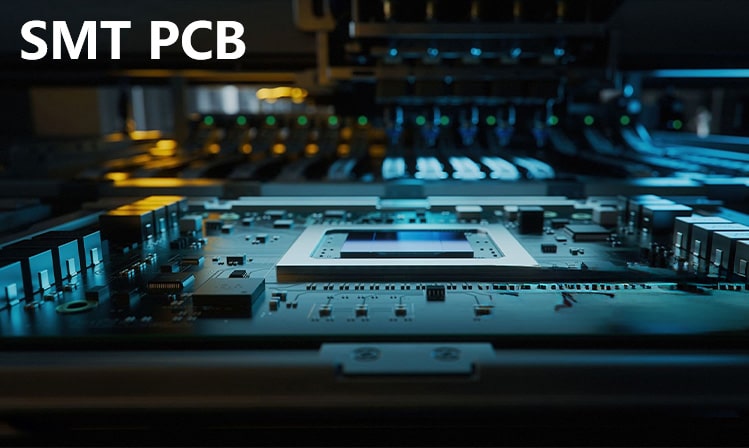
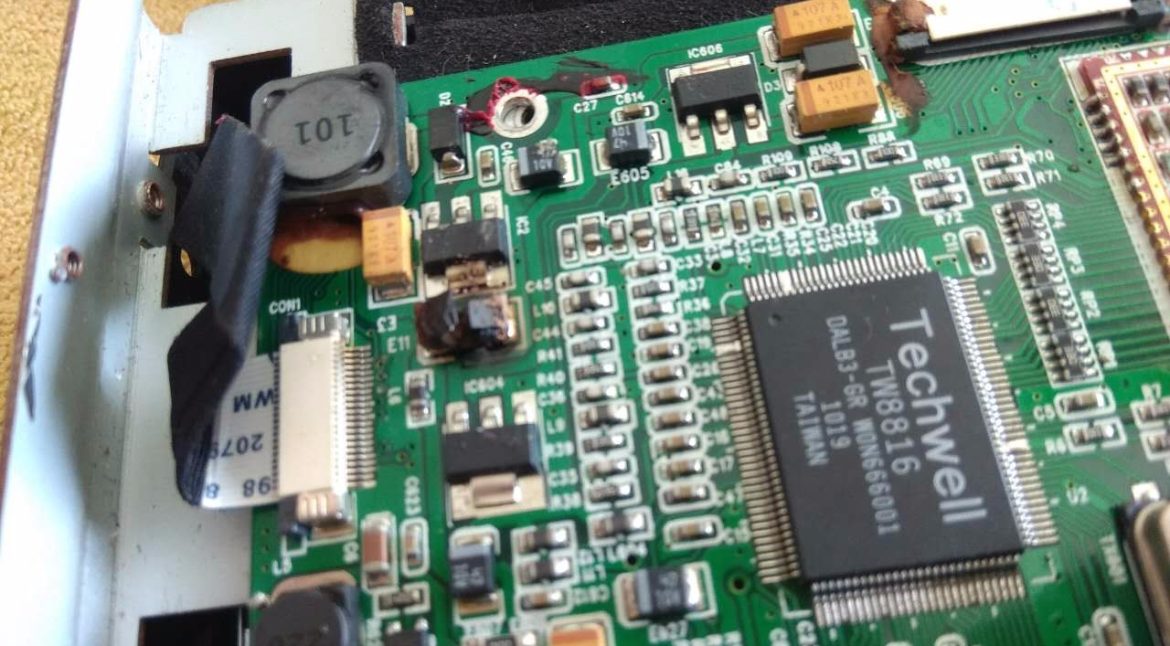
SMT Assembly vs Through-Hole: Process and Cost Almost every assembly question eventually becomes a process question: does this board go through reflow, through wave solder, or through both? The answer determines the cost, the defect risks, and the sequence the board follows down the line. Surface-mount and through-hole technologies are…
Single Sided PCB: Design and Manufacturing Guide High layer counts and fine lines get the attention, but a very large share of the boards manufactured every year carry their circuit on one layer of copper. A single sided PCB is the cheapest board that can be made, and for a…
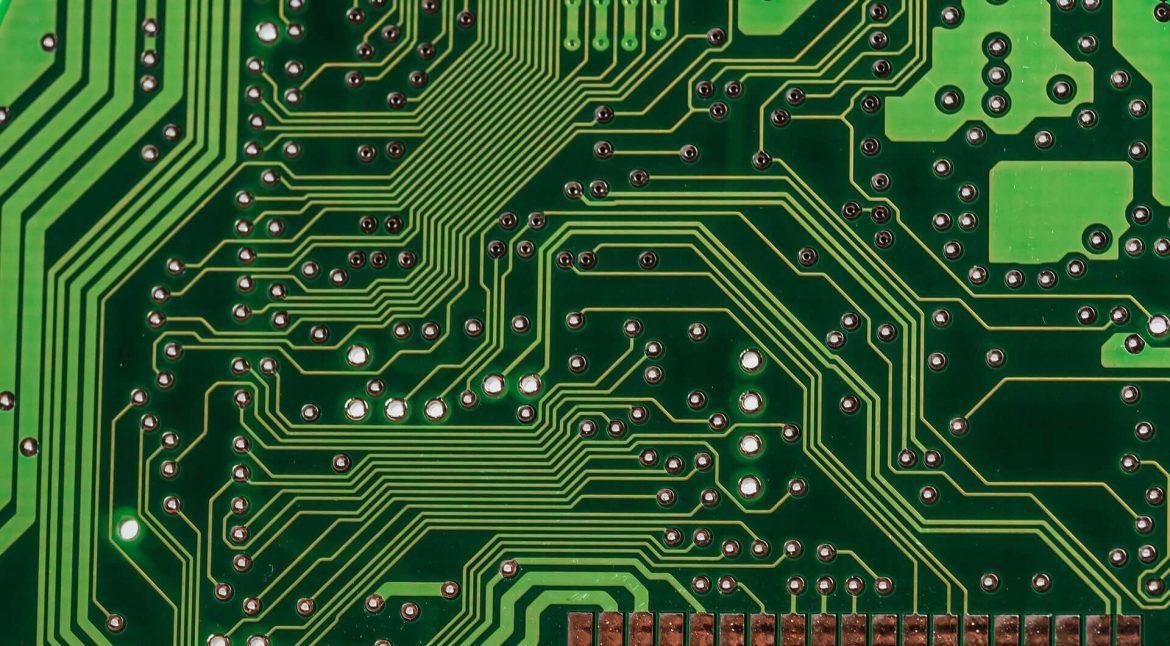
Plain Circuit Board: A Complete Engineer Guide A bare circuit board is what a printed circuit board is before anything is assembled onto it. The term is used by manufacturers to distinguish the product they ship from the assembly that the customer builds on it, and the distinction matters because…
High Voltage PCB Material Selection: Key Parameters Below about 48 volts a circuit board is mostly an electrical problem. Above a few hundred volts it becomes an insulation problem as well, and the material stops being a neutral carrier of traces. A high voltage PCB has to hold off the…
PCB Power Plane Design: Low Impedance and Clean Return Paths A power plane is the quietest way to deliver current on a multilayer board, and the most frequently misunderstood. It is not simply a large copper area connected to a supply: it is one half of a parallel plate transmission…