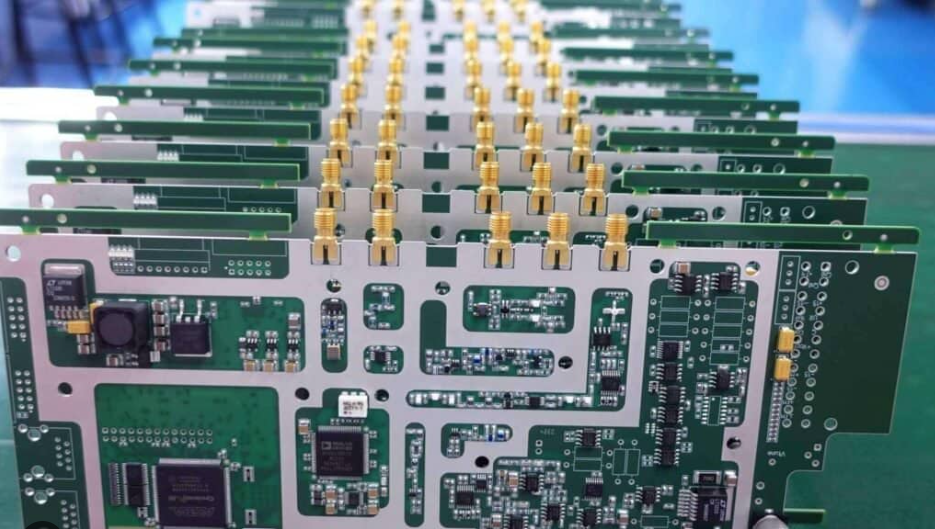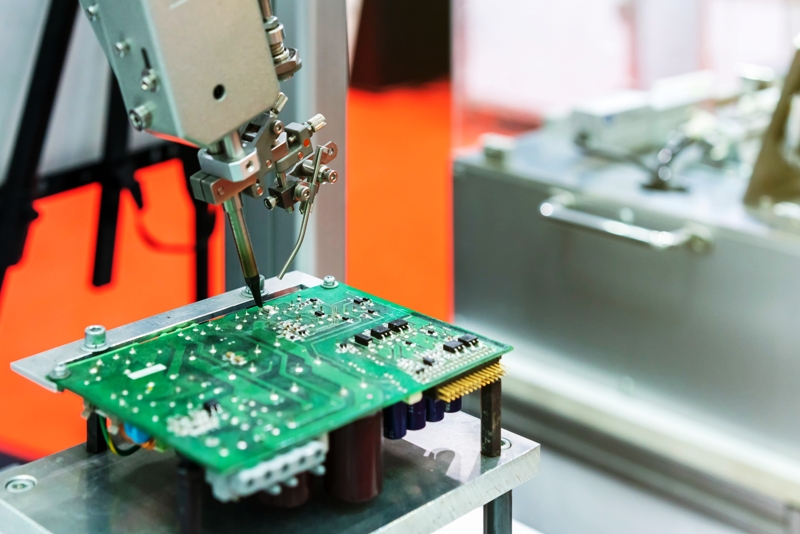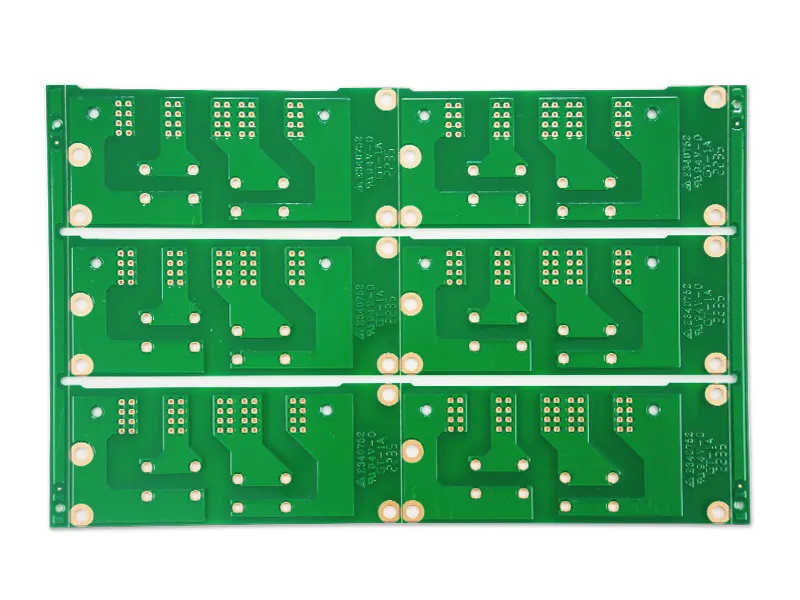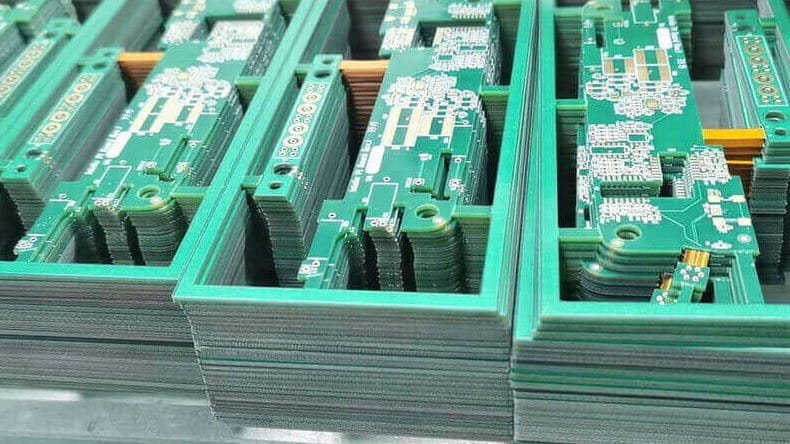
Where PCB Lead Time Comes From: Tooling, Panels and Press Cycles PCB manufacturing lead time is a sum of queue time, process time and inspection time, and only one of those is under the fabricator’s direct control. Engineers tend to picture a production line where a board enters at one…

Standard PCB Core Thickness: Options and How to Choose Core thickness is one of the first numbers fixed in a multilayer design and one of the last to be questioned, yet it determines the board total thickness, the impedance of every controlled trace and the mechanical stiffness of the finished…
Flexible PCB Materials and Structure Guide A flexible circuit is only as good as the materials it is built from. The base film determines the temperature it can survive, the adhesive determines whether it stays dimensionally stable, and the copper determines how many times it can be bent before a…
DDR3 vs DDR4 PCB: Routing, Layer Count and Cost Memory interfaces drive more layout decisions than any other digital bus on a typical board. The choice of memory generation fixes the routing topology, the reference plane requirements, the layer count and, in many cases, the base material, so deciding early…
A Dk 3.38 Low-Loss Laminate for 5G and 77 GHz Radar One material profile keeps appearing in radio-frequency designs: a ceramic-filled hydrocarbon laminate with a dielectric constant of about 3.38 and a dissipation factor around 0.0027. Those two numbers place it in a specific niche, well above the performance of…
Five-Layer PCB: Stackup, Advantages and Design Notes A five-layer PCB sits in a gap that a surprising number of designs fall into. Four layers are not enough to route the signals with a clean reference, and six layers cost more than the design can justify. The odd count raises an…
Low-Cost PCB vs High-Quality PCB: What Differs Every board order involves the same trade-off, and it is usually presented as a simple choice between cheap and good. That framing is unhelpful, because the difference between a low-cost PCB and a high-quality PCB is not a single feature but a set…
Cost, Quality, and Lead Time in Consumer Electronics PCB Manufacturing In consumer electronics PCB manufacturing, every engineering decision is compressed into a narrow window: the product must be good enough to survive its warranty, cheap enough to sell at its price point, and available on the date the launch was…
PCB Layout Design Rules for High-Performance Boards Layout is where a correct schematic either becomes a reliable product or becomes a set of problems that no component change can fix. The rules that govern it are not arbitrary house style. They exist because specific physical effects cause specific failures, and…
ENIG Surface Finish: Process and Reliability Electroless nickel immersion gold is the finish most often chosen when a board needs a flat, solderable and durable surface. It is also the finish most often blamed when a joint fails. The two facts are related, because ENIG is a two layer coating…