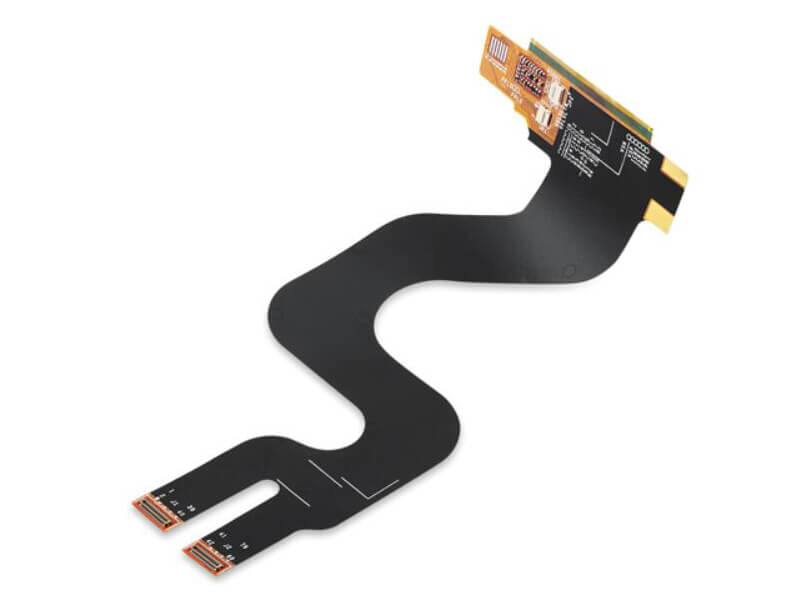
PCB Manufacturing Tolerances: What the Numbers Actually Mean Every number on a fabrication drawing is a tolerance, whether it is written as one or not. Copper thickness varies, traces etch narrower at the top than at the base, layers shift relative to each other during lamination, and holes land slightly…
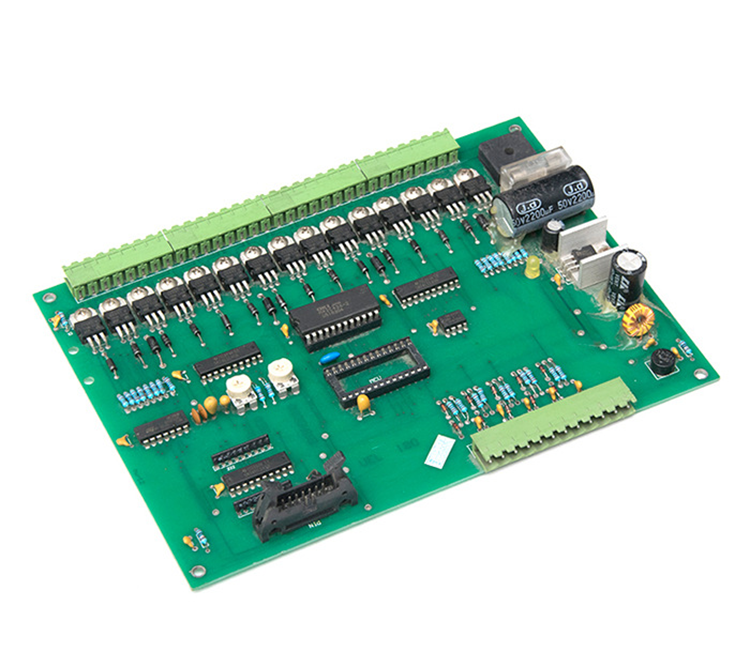
PCB Manufacturing Processes: A Guide to the Main Types A PCB manufacturing process is a sequence of chemical, mechanical and thermal operations that turns a copper-clad laminate into a board with controlled conductors. There are variations for flexible materials, heavy copper, high layer counts and radio frequency substrates, but the…
PCB Terminology: A Working Glossary for Engineers and Buyers PCB terminology is a shared language between two groups that rarely sit in the same room: the engineers who define what a board must do and the buyers and suppliers who decide whether it can be made. When a term is…
PCB Lamination: What Happens Inside the Press PCB lamination is the step where a stack of separate materials becomes one board. Copper foil, prepreg, and cores are bonded under heat and pressure until the resin flows, cures, and locks the layers together. Everything that happens after lamination, from drilling to…
PCB Reverse Engineering: Tools, Steps and Legal Limits Reverse engineering a board is a legitimate engineering task with a bad reputation, mostly because the same techniques serve both maintenance and copying. In practice it is how a discontinued controller gets supported, how a legacy product is documented after the original…
Base Station PCB Manufacturing: Materials, Process and Assembly Telecom infrastructure boards sit at the demanding end of mainstream PCB manufacturing. They combine high layer counts, radio frequency sections with tight impedance control, heavy copper for power distribution and a service life measured in decades. The manufacturing sequence reflects all four…
What Makes a 6-Layer Flexible PCB Cost More A 6-layer flexible PCB sits at the point where flexible circuits stop being simple and start being an engineering project. Two-layer flex is a well-understood product with stable pricing, but once the count rises to six, the material, the lamination sequence, the…
High Tg PCB: Advantages, Applications, and Materials Thermal performance decides how long a circuit board survives, and the threshold that describes it is the glass transition temperature. A high Tg PCB is one built on laminate whose glass transition sits well above the standard range, which lets the board keep…
PCB Blind Via Cost: What Drives the Price A blind via is one of the few design features whose cost is set almost entirely by how the fabricator has to build the board rather than by the amount of material it consumes. A single blind via adds almost nothing; the…
PCB Test Points: Design, Placement and Best Practices PCB test points are the least glamorous features on a board and the ones most often deleted when space gets tight. That deletion is usually regretted, because a net that cannot be probed has to be diagnosed through the components attached to…