High-Speed Simulation Workflow for PCB Design High-speed design decisions are expensive to change late, and a high-speed simulation is the cheapest way to make them early. The practical question is not whether to simulate but what to simulate, at which stage and to what accuracy. A workflow that answers those…
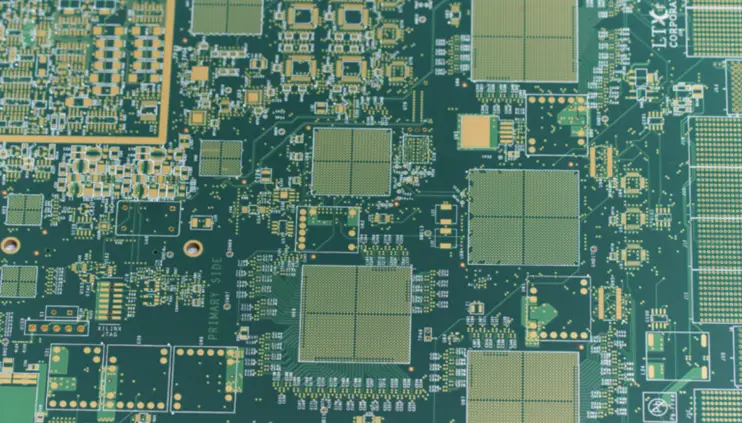
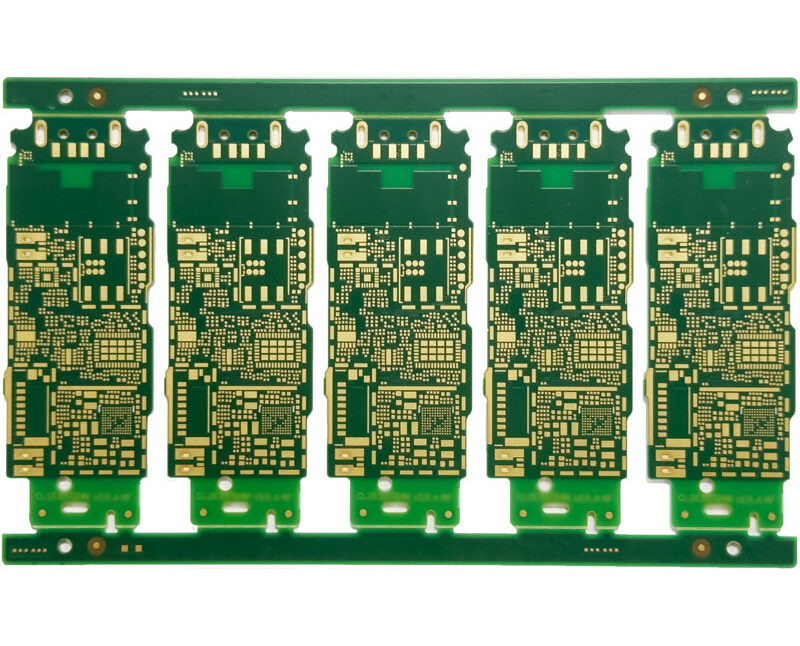
PCB Substrate Defects: Blowholes, Adhesion Loss, and Dimensional Drift Most board defects are discussed in terms of copper, plating, or assembly, but a significant share originates in the base material itself. The laminate determines how the board expands with temperature, how strongly the copper adheres to it, and how much…
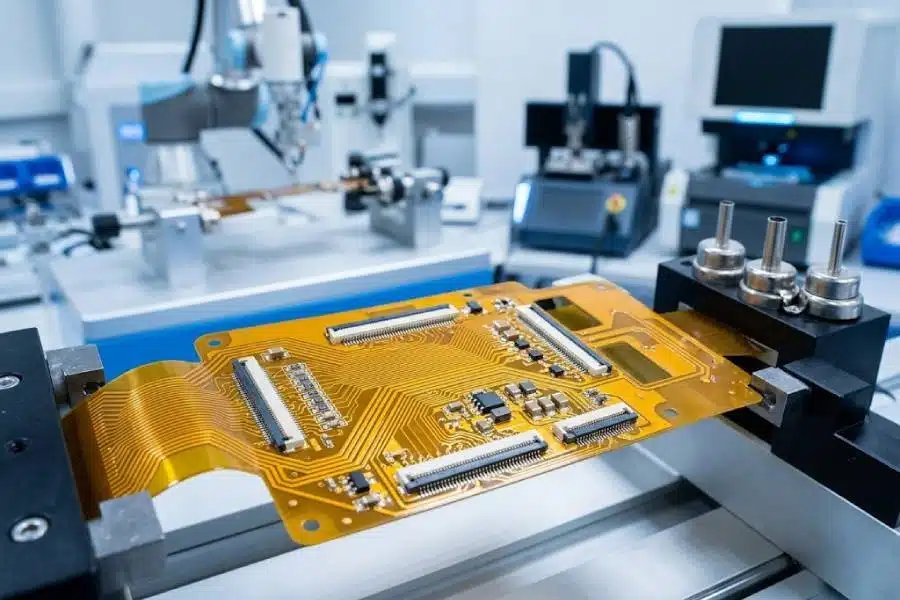
SMT Micro-Assembly Technologies: MCM, Flip Chip and PoP Micro-assembly is the bridge between a finished circuit board and a working miniature product. It combines fine-pitch soldering, die-level interconnection and package stacking on a high-density interconnect substrate, and it is normally applied to small and medium production batches where a full…
Power Plane Inset in Multilayer Boards: Why and How Much On a multilayer board the power and ground planes are usually the largest copper features in the design, and where they stop matters. A plane that runs all the way to the board edge presents an exposed copper edge to…
Solder Mask Color Selection: Green, Black, and Inspection Contrast Solder mask does an electrical job: it keeps solder away from conductors that should not be wetted, prevents bridging between closely spaced features, and protects the copper surface. Its color, by contrast, is a cosmetic choice with real consequences for inspection,…
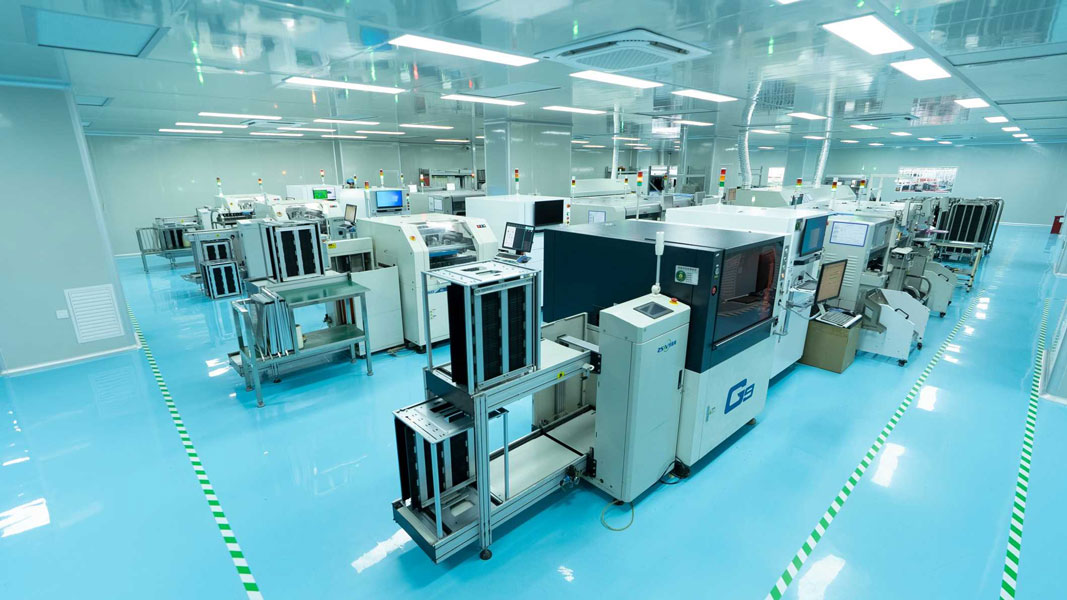
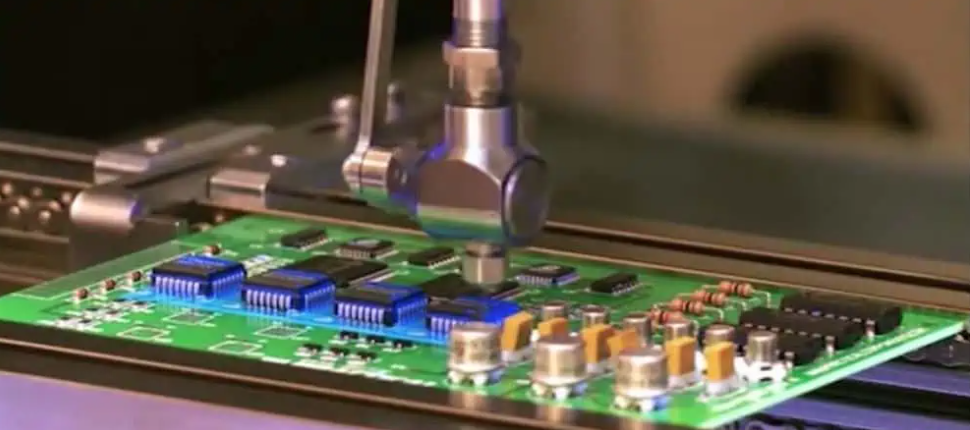
SMD and Through-Hole Components in SMT Batch Assembly A surface mount line can place thousands of parts per hour, yet most production boards still carry a handful of through-hole components. The mix is not a legacy accident. It reflects a set of requirements that surface mount technology serves poorly, and…
Documents Needed Before SMT Contract Manufacturing Every delay at the start of a build traces back to a document that was missing, ambiguous or out of date. SMT contract manufacturing runs on files, and the quality of those files decides how quickly the line can be set up, how many…
Reducing Feeder Loss During SMT Placement Feeder loss is the share of components that leave the reel without ending up on a board. It is a quiet cost: it appears in the stock room as a shortage, in the schedule as an unplanned reel change, and on the finished board…
EMC Design on a Budget: Where Cost and Compliance Meet Compliance and cost pull in opposite directions on almost every board. Electromagnetic compatibility tends to push toward more layers, more filtering and more shielding, while the commercial target pushes toward fewer layers, fewer parts and a smaller board. The two…
Skew and Jitter Sources in High-Speed PCB Design Skew and jitter are often discussed as if they were the same thing and as if they had a single cause. In practice the total timing error on an interconnect accumulates from several independent sources, and only one of them is the…