Order Visibility: Knowing Where the Batch Is An order that disappears into a factory for two weeks creates its own problems, and they are not only emotional. A customer who does not know whether the material has arrived cannot decide whether to tell their own customer that the date is…
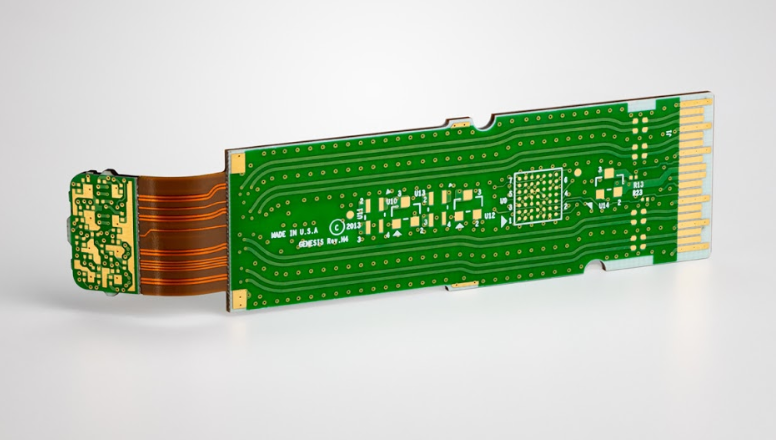
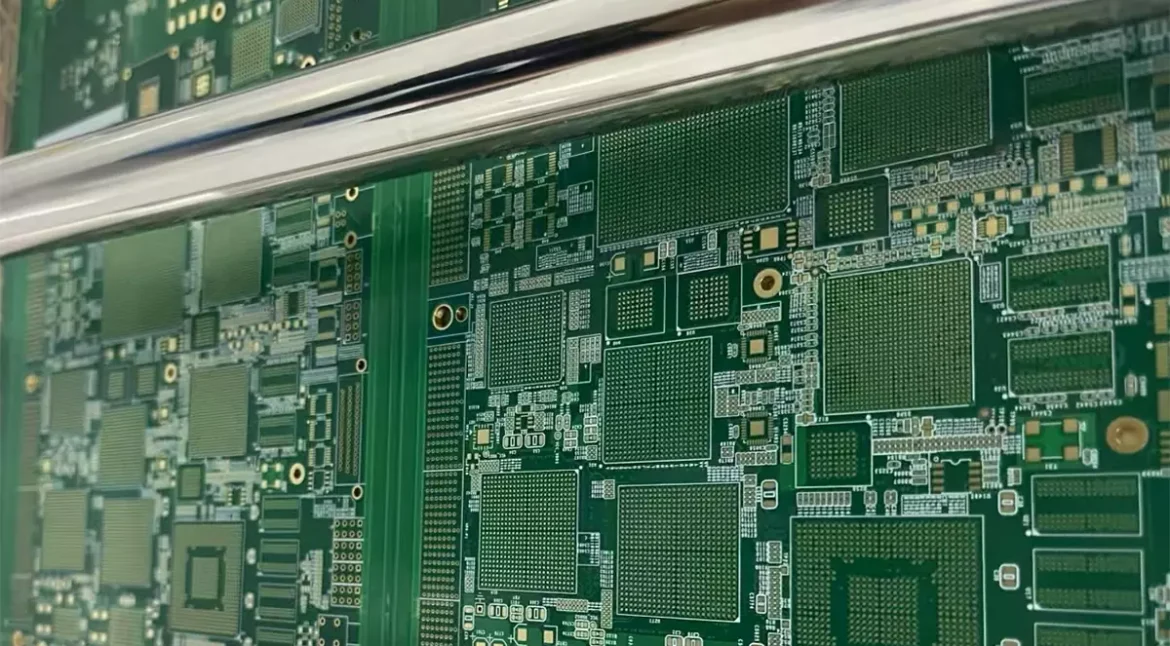
Lamination, Drilling and Plating on a Deep Stack A board with thirty or more layers is not simply a taller version of a six-layer one. The processes are the same in name, but each of them is performed under tighter conditions, and the tolerances accumulate in a way that makes…
Large Thick Boards: Warpage Control in Reflow A board that is large and thick behaves differently from a small one at every stage of assembly. It carries more thermal mass, it distorts more readily under heat, and the accuracy of placement has to be maintained over a longer distance. Boards…
Before the Batch Starts: Material Allowance, First Article and Review Most of the difficulty in a first batch is decided before it starts, and the decisions are small ones: how much material to buy, what will be checked before the run continues, and whether the design has been read by…
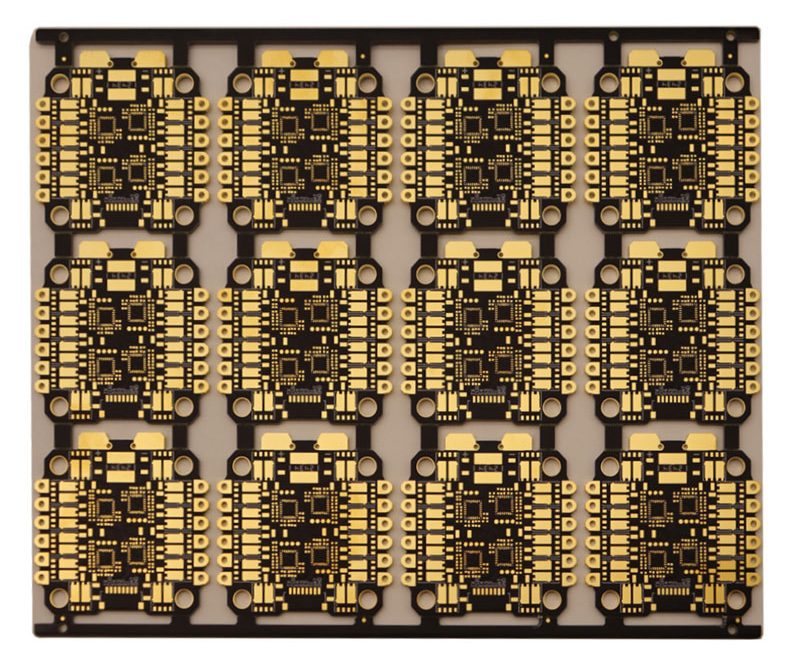
Getting an Accurate Quote for a Prototype Order Two suppliers can quote the same prototype at figures that differ by a factor of two, and both can be correct. The reason is that a prototype quotation is not calculated from a price list; it is estimated from the data and…
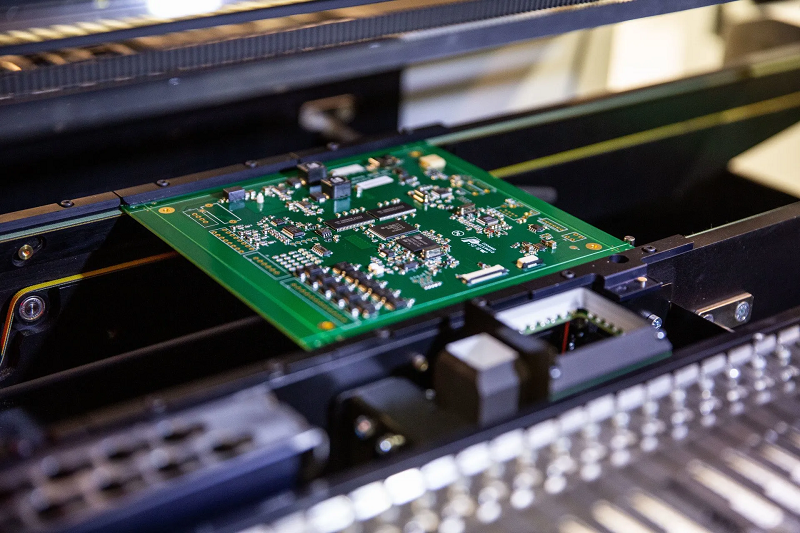
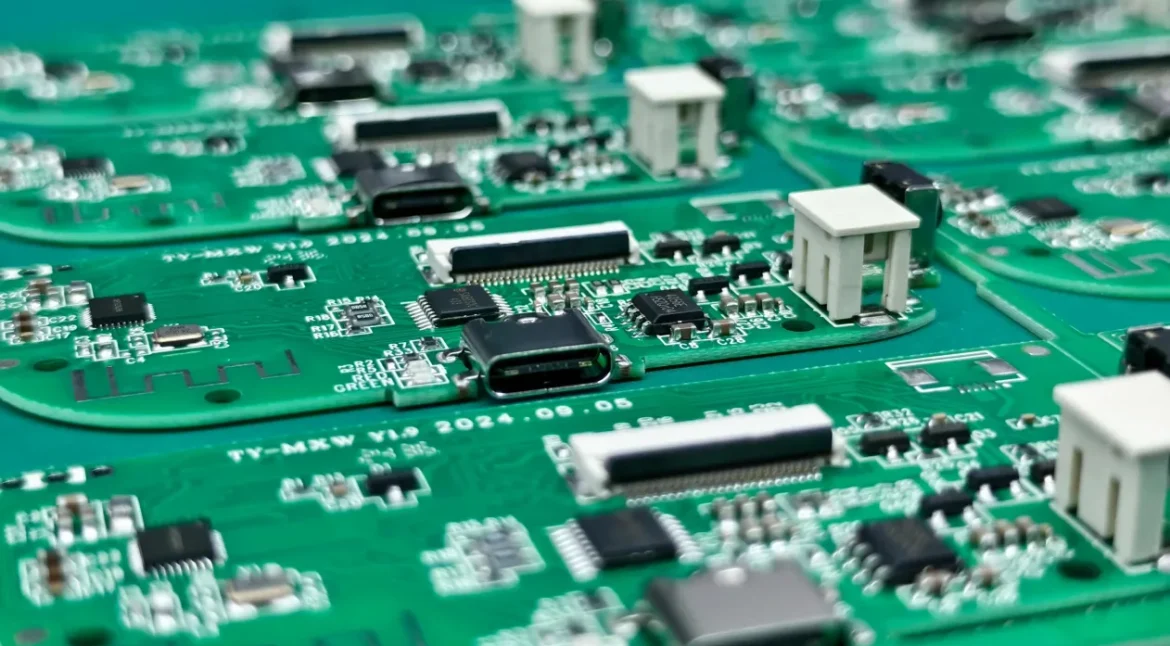
The Assembly Sequence: From Files to Finished Board Between the files a customer sends and the boards that arrive, a series of operations is performed, and each of them has requirements and produces something that can be checked. Understanding that assembly sequence is useful for two reasons: it shows where…
Assembly Service Models: Pure Placement or Full Turnkey Underneath the price of an assembly order sits a decision that is rarely discussed explicitly: how the work is divided between the customer and the supplier. Two quotations for the same board may differ not because one factory is cheaper but because…
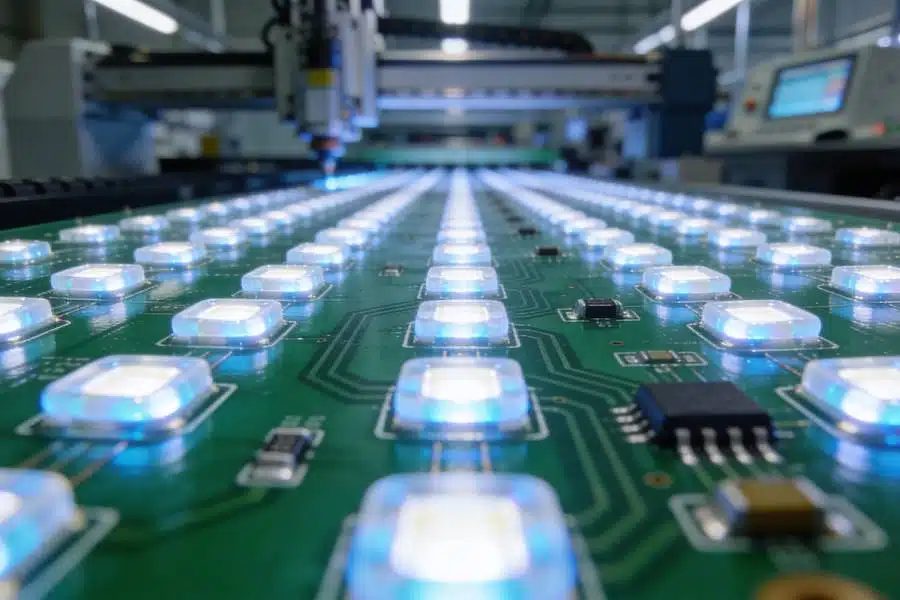
Precision Placement: What Separates a Capable Line Two plants can own the same models of equipment and produce different results. The difference lies in the condition of the machines, the state of the consumables and the discipline with which the parameters are established and recorded, and it becomes visible only…
Multi-Sourcing High-End Boards Without Losing Consistency When a class of board becomes scarce, the instinct is to spread the requirement across more than one supplier. The instinct is right, and the execution is where projects come undone, because a second source that produces a board which is not quite the…
Across Regions: Total Cost, Not Unit Price Quotations for the same board from factories in different places often differ by more than the buyer expects, and the explanation is rarely only wages. Each location carries a different combination of overhead, supply-chain depth, transport and skill, and those differences land in…