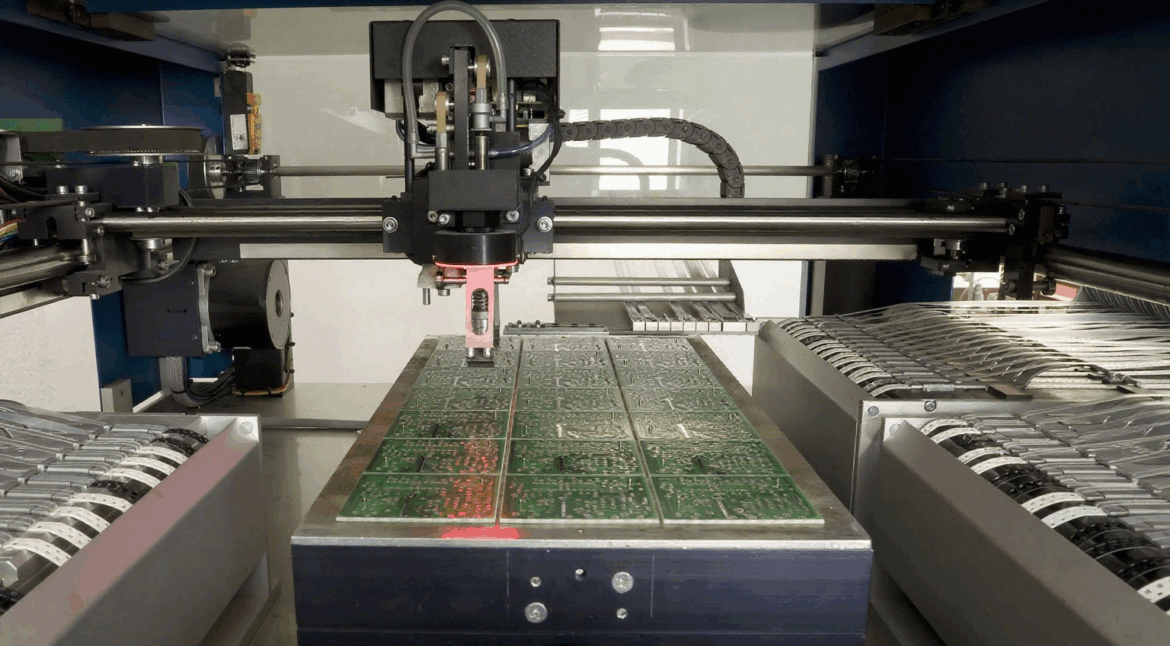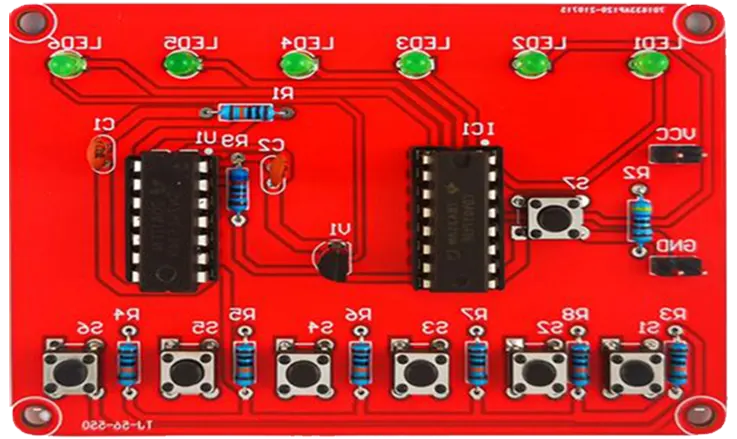
Conveyor Rail Alignment: 6 Rules for Smooth Board Flow Conveyor rail alignment sets the height, width and parallelism of the two rails that carry a panel from the printer to the placement machines and on to reflow. It is the least glamorous adjustment on the line and one of the…
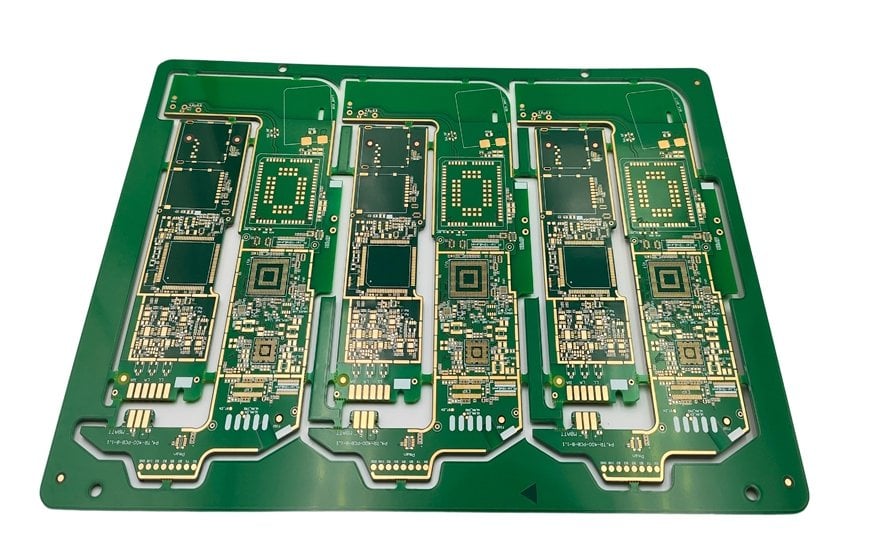
Placement Head Maintenance: 6 Rules for Stable Alignment Placement head maintenance keeps the mechanical and pneumatic parts of the machine inside the tolerance that the placement program assumes. The head is the part of the machine that moves fastest and touches the product most often, so it wears faster than…
Panel Cleaning Before Plating: 4 Steps That Decide Adhesion Panel cleaning before plating is the sequence that makes the copper receptive to a deposit. Oils from drilling and handling, oxides from storage and organic residues from earlier steps all sit between the metal and the plating bath, and none of…
Etch Line Conveyor Speed: 4 Checks for Dwell Control Etch line conveyor speed is the parameter that converts chemistry into geometry. It sets how long a panel spends under the spray, and therefore how much copper is removed and how much the side wall is undercut while it happens. It…
Copper Anode Corrosion: 4 Checks for a Clean Plating Bath Copper anode corrosion is the reaction that keeps an acid copper bath supplied with metal. The anode dissolves as the panel plates, and in a balanced bath the two rates match so that the copper concentration stays where the process…
Heat Sink Bonding: 6 Rules for a Reliable Thermal Joint Heat sink bonding attaches a metal sink, a stiffener or a shield to a board with a filled adhesive that has to conduct heat, hold mechanically and survive the thermal cycles of service. It replaces screws and clips where the…
Plating Tank Heater: 4 Checks for Uniform Temperature A plating tank heater does more than raise the bath to temperature. It has to hold the whole working volume at one value, from the surface to the bottom and from one end of the tank to the other, because the deposition…
Laminate Handling: 4 Rules That Protect the Stack Laminate handling is everything that happens to a core between the store and the press. Cutting, moving, stacking and pinning all leave their mark on the material, and the marks are easiest to see after lamination, when they have been bonded into…
ICT Fixture Probe Alignment: Keeping Probes on the Pad Probe alignment is the tolerance stack that decides whether every spring probe in an in-circuit test fixture lands on its intended pad, on every board, for the whole life of the fixture. When alignment drifts, the fixture does not simply stop…
Pad Cratering Inspection: Dye and Pry vs Cross Section Pad cratering is a fracture that begins in the resin-rich region of the laminate directly beneath a surface mount pad, and it grows outward under thermal or mechanical load. The solder joint usually survives, which is what makes the defect so…