Board Edge Clearance Rules Explained Why the Edge Needs Clearance The outline of a board is produced by routing, scoring or punching, and each of those operations has a tolerance and a mechanical effect on the material near the cut. Copper that reaches the edge can be torn, exposed, shorted…

Cold Solder Joints: Causes and Detection What a Cold Joint Is A cold joint is one in which the alloy did not fully melt, or did not form a proper metallurgical bond with the surfaces, so the joint is mechanically and electrically inferior despite appearing connected. The classic visual signature…
Heavy Copper PCB: Etching and Plating Limits What Counts as Heavy Copper Heavy copper usually means a layer of three ounces per square foot or more, which is roughly 105 micrometres, and the term extends to boards with copper an order of magnitude thicker for high current applications. The distinction…
PCB Antennas: Clearance and Layout Rules How a PCB Antenna Works A printed antenna is a copper pattern whose dimensions and surroundings set its resonant frequency and its impedance. Because it is etched on the same board as the rest of the circuit, its performance depends on things that would…
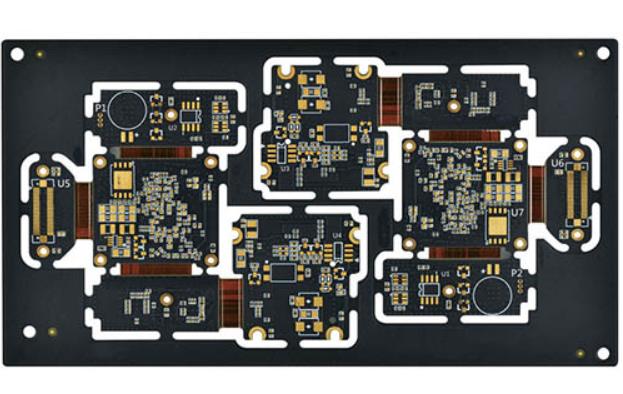
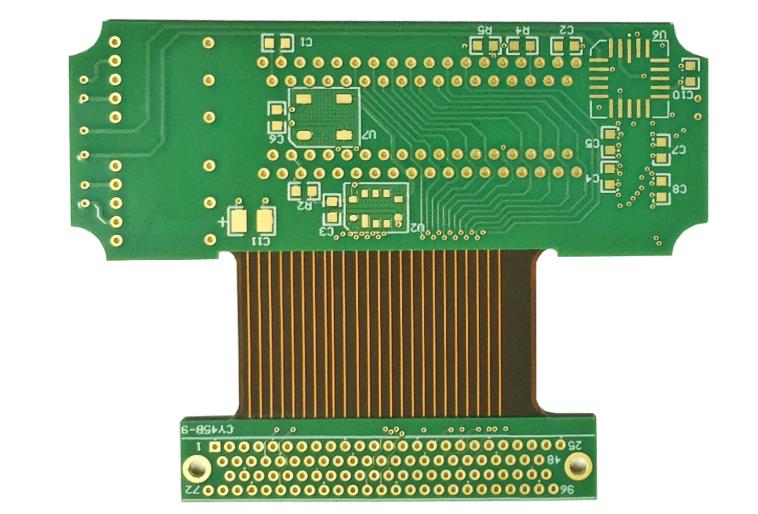
Flex Stiffeners: Material and Placement Why a Stiffener Is Needed A flexible circuit is thin and compliant, which is what makes it useful and what makes it difficult to connect. A connector has to be soldered or clamped to the flex, and a thin film will not hold the connector…
Via Plugging Versus Tenting: Which To Use Three Treatments Vias are covered in one of three ways, and the three are often confused. Tenting covers the via with solder mask on one or both sides without filling the barrel. Plugging pushes mask or a dedicated material into the barrel, sealing…
EMI Shielding on PCBs: Cans and Grounding What Shielding Can and Cannot Do A shield can is a metal enclosure soldered or clipped over a circuit to keep electromagnetic energy in or out. It works by reflecting and absorbing fields, and it can only do so if it is connected…
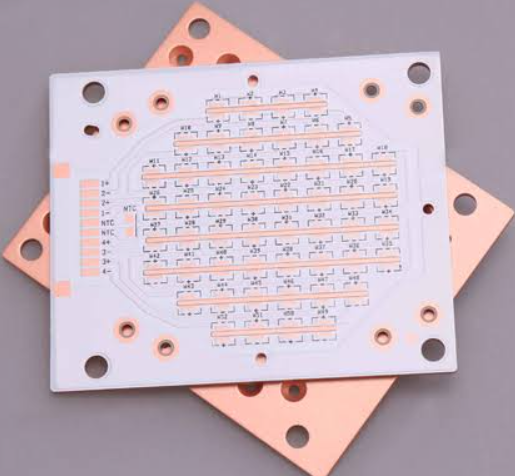
Copper Weight: Choosing the Right Thickness What Copper Weight Means Copper weight is the thickness of the copper foil on a layer, expressed as the weight of one square foot of the foil. One ounce per square foot is about 35 micrometres, half an ounce about 18 micrometres, and two…
Building a Drill Table for Fabrication Why a Drill Table Exists The drill table is the summary of every hole in the design, grouped by size and by function, and it is the document the fabricator uses to set up the drilling programme. Without it, the shop derives the hole…
Annular Ring: How Much Is Enough What the Ring Carries The annular ring is the copper that surrounds a drilled hole on each layer where the barrel connects to a pad. It has two jobs: it provides the surface area that the plating bonds to and it carries the current…