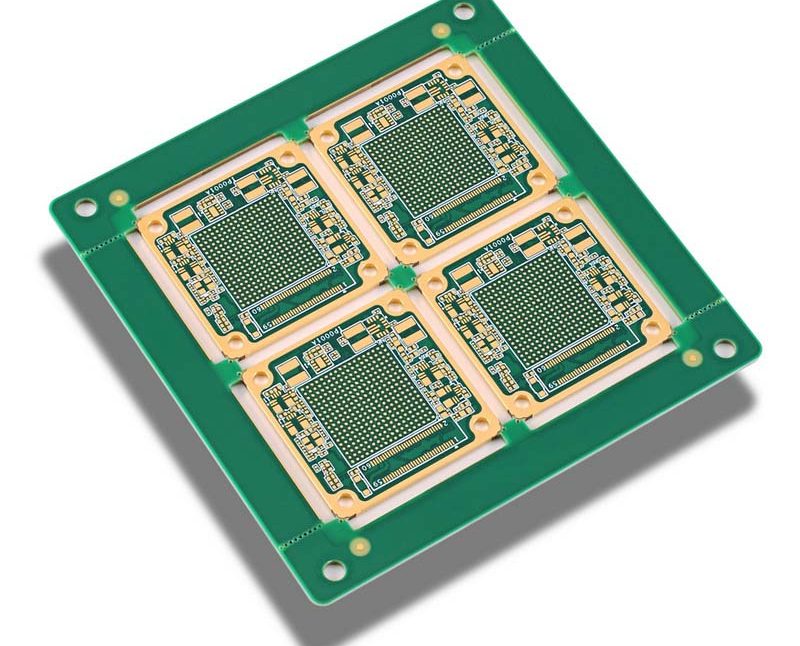
HDI Circuit Board

HDI PCB vs. Conventional PCB: Key Differences, Types, and HDI Stack-Up

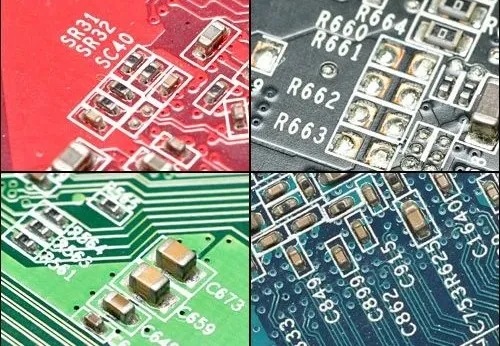
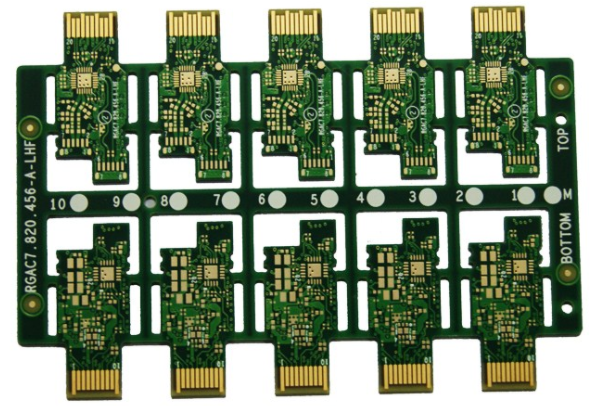
As electronic products become smaller, faster, and more highly integrated, conventional PCB structures are increasingly challenged by limited routing space and component density. This has driven the development of HDI PCB technology. HDI stands for High-Density Interconnect. An HDI Circuit Board uses technologies such as microvias, blind vias, buried vias,…
PCB Automation

Industrial Robots in PCB Manufacturing: Applications, Benefits, and Future Trends

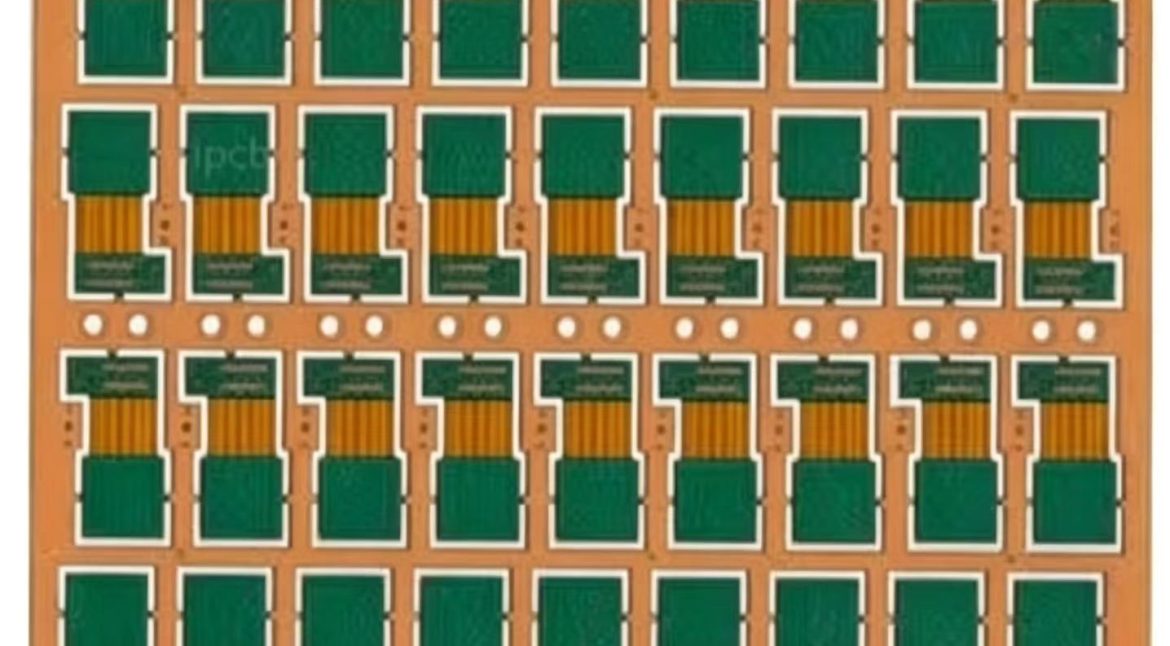
As electronics manufacturing continues to move toward higher efficiency, greater precision, and intelligent production, automation has become increasingly important in the PCB industry. The rapid development of industrial robotics, machine vision, automated inspection, and intelligent material handling is transforming traditional PCB Manufacturing processes. Tasks that were previously performed manually—such as…
PCB Reliability

High-Quality PCB: 5 Key Standards for Reliable PCB Manufacturing

With the rapid development of science and technology, electronic products are becoming increasingly intelligent, compact, and highly integrated. From consumer electronics and communication equipment to automotive, medical, industrial, and security applications, printed circuit boards play a critical role in modern electronic systems. A high-quality PCB is more than a board…
PCB Materials

PCB Materials Guide: Types, Codes, and Common PCB Material Standards

As electronic products continue to become smaller, faster, and more highly integrated, the materials used to manufacture printed circuit boards have become increasingly important. From simple single-sided boards to high-density multilayer and HDI structures, different applications require different material properties. Understanding PCB Materials and their corresponding material codes helps designers,…
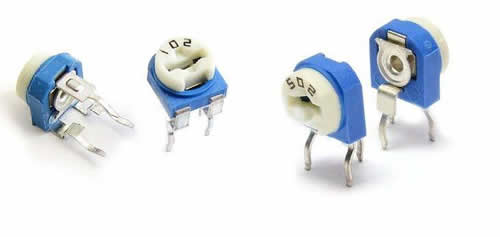
Variable Resistor

How to Identify a Variable Resistor on a PCB: Types, Functions, and Identification Guide

In modern electronic equipment, resistors are among the most widely used passive components. Unlike fixed resistors, which provide a predetermined resistance value, a Variable Resistor allows the resistance to be adjusted within a specific range. This makes it useful in circuits where voltage, current, gain, signal level, or other electrical…
PCB Production

How to Improve PCB Manufacturing Efficiency: 5 Key Process Improvements

The global PCB Manufacturing industry is highly competitive. As electronic products become smaller, more complex, and more demanding, PCB manufacturers must continuously improve production efficiency, quality, and process consistency. Customers expect high-quality circuit boards with short lead times and competitive pricing. Meeting these expectations requires more than simply reducing production…
High-Frequency PCB

High-Frequency PCB Materials: Improving Thermal Performance, Reliability, and RF Signal Integrity

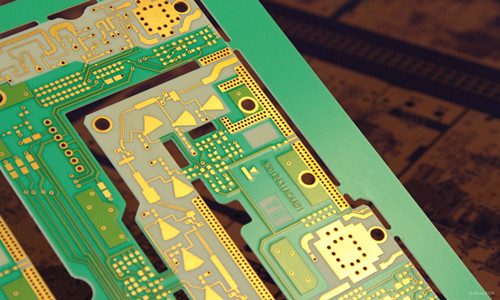
High-speed interconnects are fundamental to modern electronic systems. As communication equipment continues to operate at higher frequencies and data rates, PCB manufacturers and designers face increasing challenges in maintaining signal integrity, thermal stability, manufacturing consistency, and long-term reliability. These requirements have accelerated the development of High-Frequency PCB technologies for telecommunications,…
PCB Technology

5G PCB Design: High-Frequency, HDI, and High-Density Technologies

The rapid development of 5G Technology is transforming telecommunications, intelligent manufacturing, cloud computing, artificial intelligence, and the Internet of Things. With higher bandwidth, lower latency, and support for massive numbers of connected devices, 5G is creating a new generation of network infrastructure and enabling new applications across multiple industries. Behind…
PCB Technology

Advanced Multilayer PCB Technology: High-Density Integration and Industry Development

In the era of smartphones and highly integrated electronic devices, manufacturers are constantly challenged to make products smaller, thinner, lighter, and more functional. Behind this development is a critical technology: the printed circuit board. As electronic systems continue to integrate more functions into increasingly compact spaces, conventional PCB technologies face…