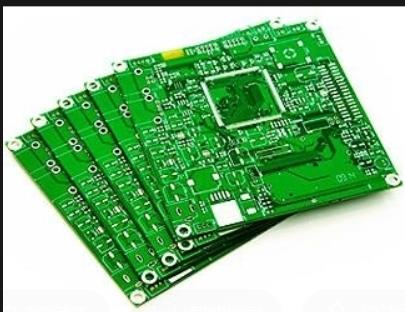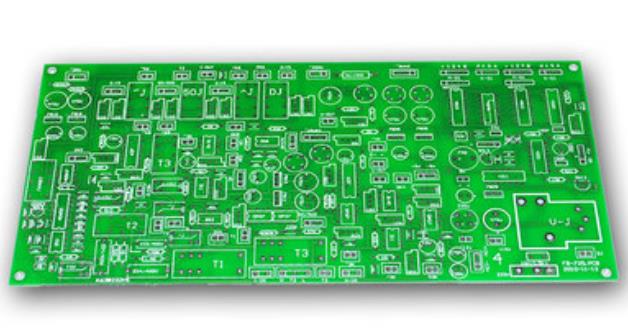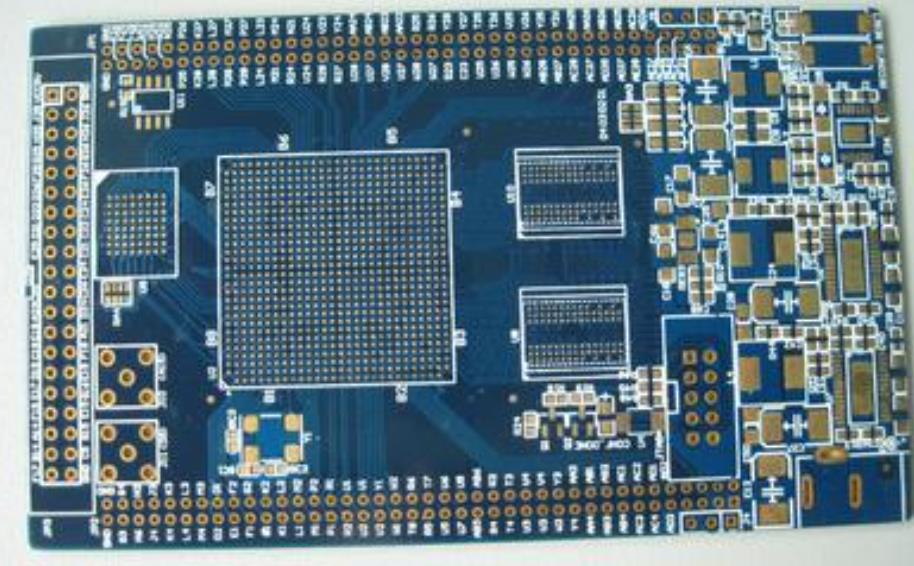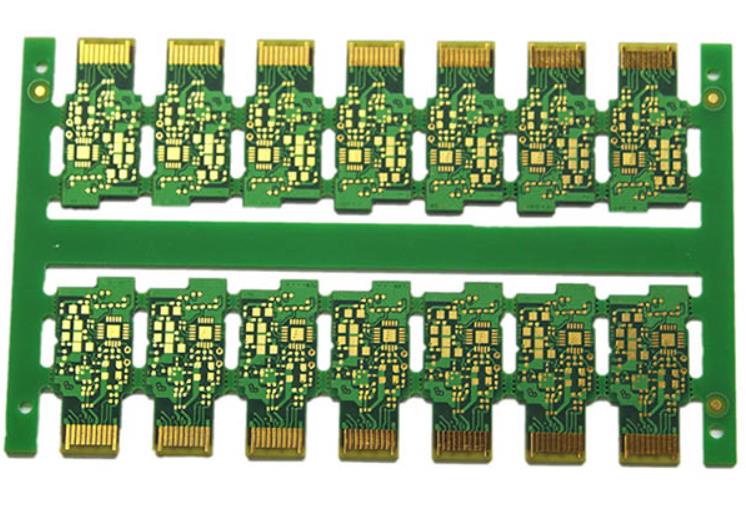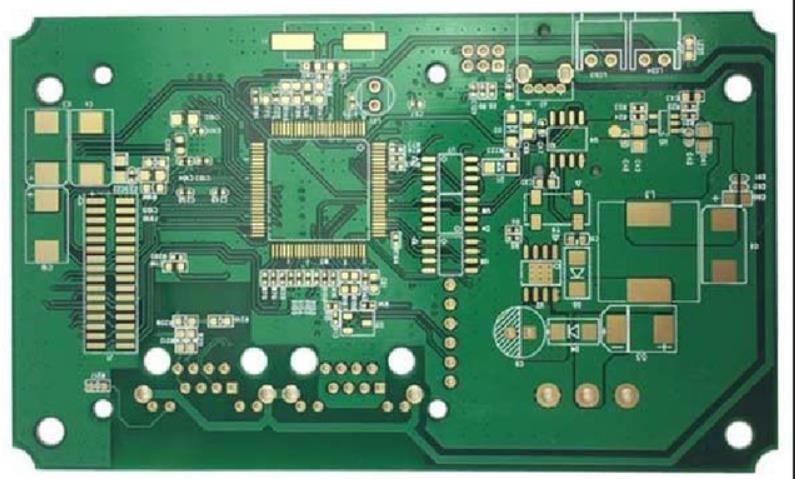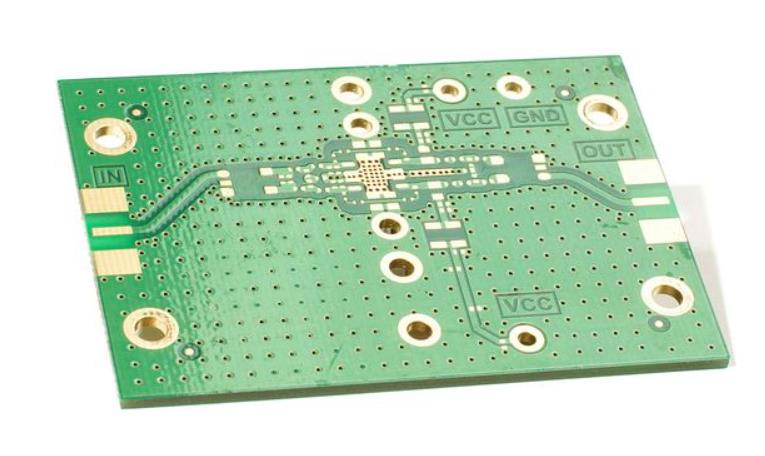
PCBA Quality Control Process: Incoming, In-Process, Final A strong PCBA quality control process protects the customer from receiving boards with hidden defects and protects the manufacturer from rework, returns, and lost reputation. Quality control in PCB assembly is not one final inspection step. It should begin with incoming material verification,…
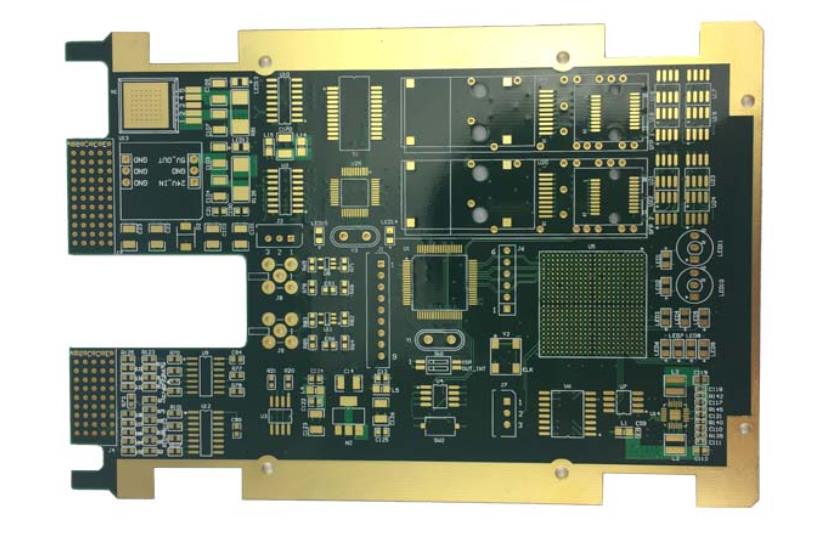
FCT Testing in PCBA: Functional Circuit Test Guide FCT testing in PCBA verifies that an assembled circuit board works as designed when power and signals are applied. FCT, which stands for functional circuit test, is one of the last checks before a PCBA is approved for shipment. It confirms that…
OLED PCB Guide: Types, Applications and Manufacturing Costs OLED technology has reshaped the display industry, appearing in smartphones, tablets, laptops, televisions, automotive dashboards, and wearables. Behind every bright, thin OLED panel sits a carefully engineered circuit board that delivers power and data to the display. The OLED PCB is not…
OQC Inspection in PCBA: Outgoing Quality Control Guide OQC inspection in PCBA is the final quality checkpoint before an assembled board leaves the factory. OQC, which stands for outgoing quality control, verifies that the products scheduled for shipment meet the customer’s requirements. It is the last chance to catch a…
SMT Component Loss Control: Causes and Best Practices SMT component loss control is one of the most practical ways to improve PCBA profitability. Components are often the most expensive part of an electronic assembly, so even a small reduction in lost, damaged, or misused parts can have a large effect…
LED Ring Light PCB Cost Guide: 2025 Manufacturing Pricing Ring lights have become standard equipment for photography, beauty content, medical examination, and industrial inspection, and at the center of every ring light is a purpose-built circuit board. The LED ring light PCB arranges the emitters in a circle, distributes power…
Immersion Tin PCB Cost Guide: Process, Pricing and Comparison Surface finish choice is one of the most visible cost decisions in PCB procurement. Among the available options, immersion tin keeps winning orders because it balances solderability, flatness, environmental compliance, and price better than most alternatives. In 2025, engineers and buyers…
PCBA Turnkey Service Process: Requirements to Delivery Guide A PCBA turnkey service process begins long before components are placed on a board. The customer and manufacturer must agree on product function, performance, compliance, materials, process standards, delivery schedule, and quality expectations. This early requirements communication determines whether the project moves…
PCBA Cost Optimization: Key Factors and Best Practices Printed circuit board assembly is where most of an electronic product’s manufacturing value is created, and where most of its cost is locked in. PCBA cost optimization means reducing assembly cost through design improvements, smarter supply chains, and better production processes, without…
Small SMD Components in PCBA: Why Smaller Costs More Why do small SMD components in PCBA cost more than larger parts with the same electrical function? The answer is not the material inside the component but the precision required to handle, place, solder, inspect, and test it. Components such as…