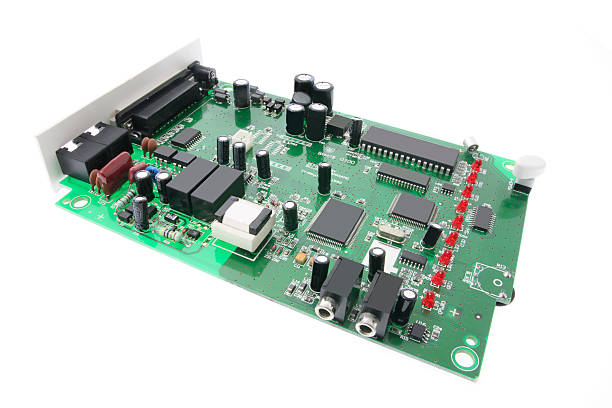
ENIG PCB vs. HASL: Which PCB Surface Finish Is More Durable? The same discipline applies to ENIG PCB, where a small process drift turns into a large yield loss. When selecting a surface finish for a printed circuit board, durability is an important consideration. The surface finish affects solderability,…
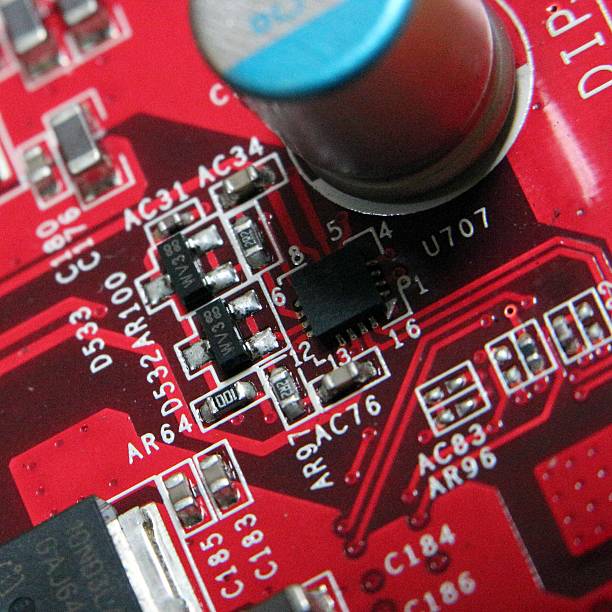
What Parameters Are Required for an impedance controlled PCB? Modern smartphones, servers, communication equipment, networking hardware, and other electronic products increasingly depend on high-speed signal transmission. As data rates and operating frequencies increase, signal integrity becomes more difficult to maintain. The same discipline applies to impedance controlled PCB, where a…
radar system PCB High-Frequency Manufacturing Requirements and Reliability Why High-Frequency PCBs Matter in Radar Systems Radar systems rely on high-frequency electromagnetic signals to detect, locate, track, and identify targets. Within these systems, the PCB provides the electrical platform for RF signal transmission, processing, control, and power distribution. The same discipline…
PCB Copper Thickness Explained: Applications of Standard, Heavy, and Ultra-Heavy Copper Copper thickness is one of the fundamental parameters that determines a PCB’s electrical and thermal performance. Different applications require different copper weights depending on current load, heat dissipation, mechanical constraints, signal requirements, and overall board design. From…
High-Frequency medical imaging PCB for Equipment: Manufacturing and Quality Requirements Medical imaging equipment plays a critical role in modern healthcare by helping physicians obtain detailed information about a patient’s internal condition. Technologies such as CT, MRI, and ultrasound rely on sophisticated electronic systems to acquire, process, and transmit large…
Communication Test Equipment PCB: Key Requirements for High-Precision and High-Reliability Manufacturing SEO Title: Communication Test Equipment PCB: Manufacturing Requirements and Quality Control Meta Description: Explore the key requirements for communication test equipment PCBs, including high-frequency signal integrity, material selection, impedance control, advanced manufacturing, and quality testing. Core Keywords: communication test…
Smart Access Control PCB Manufacturing: Key Requirements and Quality Standards Smart access control systems have become an important part of modern security infrastructure. From facial recognition and RFID access control to smart locks and building entry systems, these devices depend on reliable electronic hardware to identify users, manage permissions, communicate…
Common Multilayer PCB Lamination Problems and Effective Solutions Lamination is one of the most critical processes in multilayer PCB manufacturing. By applying controlled heat and pressure, multiple inner layers and prepreg materials are bonded into a stable, reliable circuit board structure. The quality of the lamination process directly affects the…
How to Reduce Common Errors in PCB Prototyping: 5 Key Practices PCB prototyping is a critical stage in electronic product development. It allows engineers to verify circuit functionality, validate the physical design, identify manufacturing problems, and prepare a product for future mass production. However, prototype PCB projects can easily encounter…
Why Do PCB Prototypes Keep Failing? 5 Critical Details You Should Never Overlook PCB prototyping is an essential step for validating an electronic product before moving into larger-scale production. A well-made prototype can reveal design issues, manufacturing risks, assembly problems, and performance limitations before they become expensive production failures. However,…