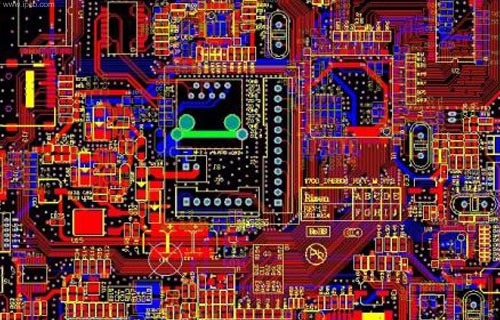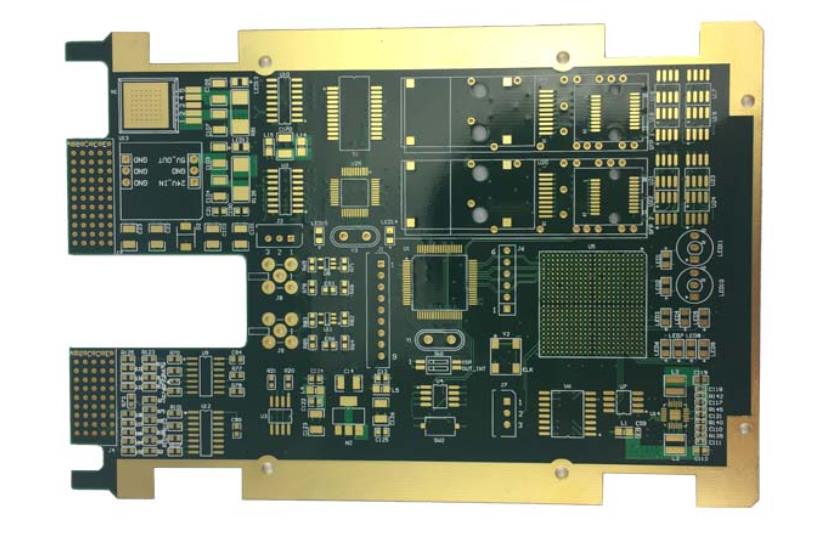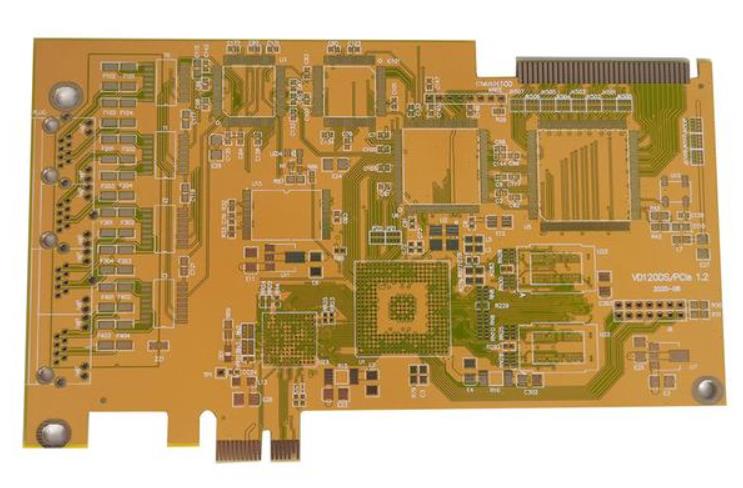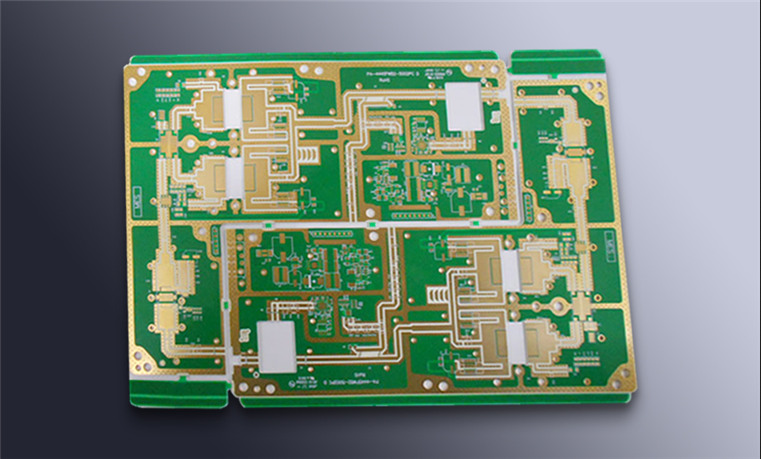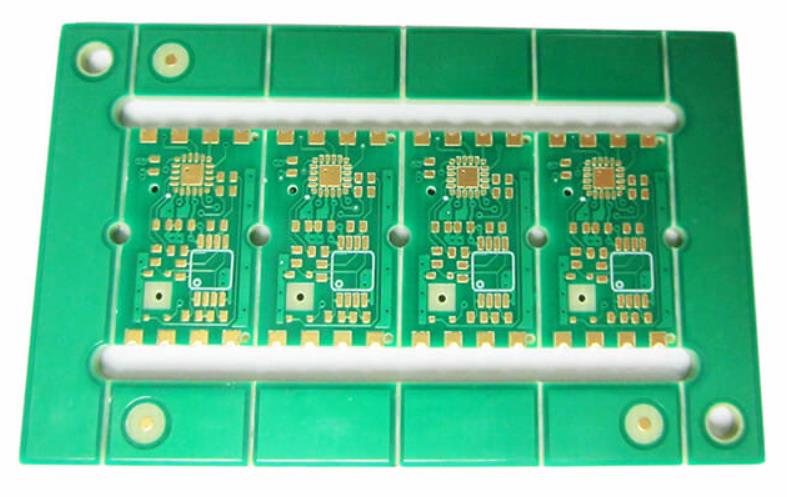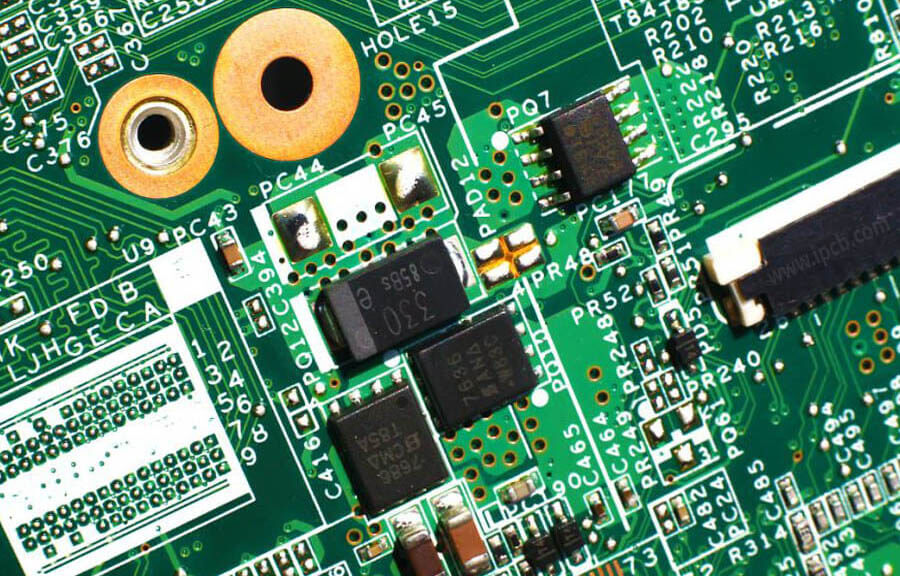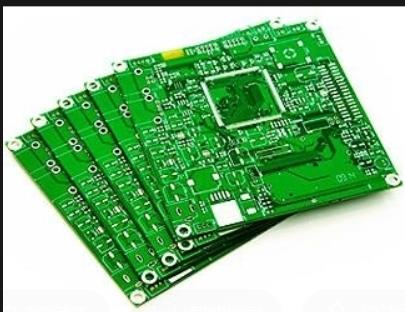
PCB Silkscreen vs Solder Mask: What’s the Difference? In printed circuit board (PCB) design and manufacturing, each functional layer plays a critical role in determining product performance and reliability. Among them, the silkscreen layer (also known as the legend layer) and the solder mask layer are the two most frequently…
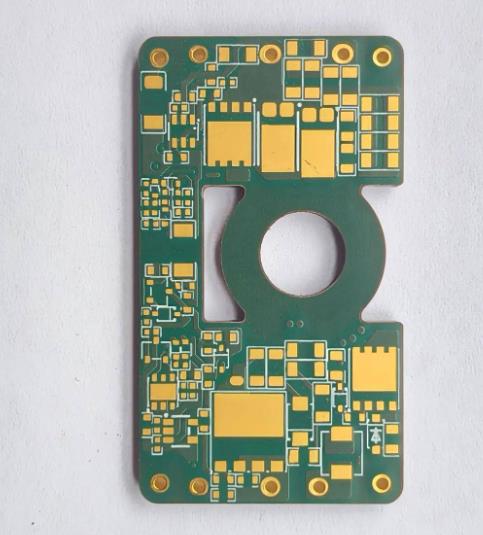
Comprehensive Guide to Custom Washing Machine PCB Manufacturing Services (2026) In today’s rapidly evolving smart appliance industry, washing machines are no longer simple mechanical devices but intelligent products integrating complex electronic control systems. The washing machine PCB (Printed Circuit Board) serves as the core control unit, responsible for coordinating motor…
The correct installation and placement of electronic components on a PCB is one of the most important factors affecting soldering quality, assembly efficiency, and product reliability. A well-designed PCB Component Placement strategy can significantly reduce manufacturing defects, improve electrical performance, and enhance the overall reliability of electronic products. With the…
Today, almost every electronic product depends on one or more Printed Circuit Boards (PCBs) to provide electrical connections and support the operation of electronic components. From smartphones, automotive electronics, communication equipment, and industrial control systems to medical devices and intelligent wearable products, PCBs have become an essential foundation of modern…
PCB Electroless vs Electrolytic Copper: Key Differences, Process Flow, and Quality Control Explained In PCB manufacturing, copper is the core conductive material. The traces, pads, vias, and interlayer interconnection structures on a PCB all rely on copper layers to achieve stable electrical connections. In actual PCB production, terms such as…
2026 Any-Layer HDI PCB Manufacturing Cost Breakdown: Price Factors, Influencing Elements & Cost-Saving Guide August 31, 2026 As electronic devices become smaller, faster, and more functionally integrated, traditional multilayer PCBs are increasingly challenged by limited routing space. Any-layer HDI PCB technology offers a solution by enabling high-density interconnections across multiple…
With the rapid development of the electronics industry, electronic products are becoming increasingly smaller, lighter, and more powerful. This trend has created both opportunities and challenges for PCB Manufacturing and electronic assembly technologies. Modern electronic devices such as smartphones, communication equipment, automotive electronics, medical devices, industrial control systems, and wearable…
One-Stop PCB Urgent Service: Complete Solutions from Rapid Prototyping to Mass Production April 2, 2026 In today’s fast-evolving electronics manufacturing industry, “speed” has become a core competitive factor. Whether developing smart hardware, automotive electronics, or IoT products, the PCB production cycle directly impacts time-to-market and business opportunities. That’s why one-stop…
With the continuous development of electronic products toward miniaturization, higher integration, and improved reliability, the requirements for PCB Manufacturing technology are becoming increasingly strict. As one of the most important processes in printed circuit board production, PCB Surface Treatment technology directly affects solderability, electrical performance, storage life, and long-term reliability…
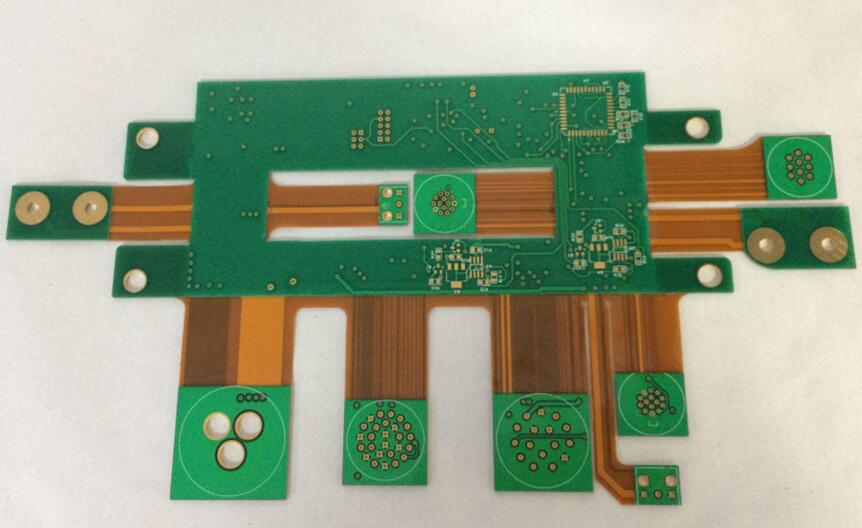
With the rapid development of microelectronic technology, the manufacturing requirements for PCB (Printed Circuit Board) products are continuously increasing. Modern electronic devices are moving toward miniaturization, higher integration, higher performance, and lighter designs. As a result, advanced PCB technologies such as HDI PCB, Rigid-Flex PCB, and high-density multilayer boards have…