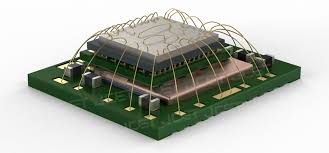
special-process PCB

PCB Quotation Checklist: How Engineers Can Control Special-Process PCB Costs

When engineers receive a quotation for a PCB with uncommon materials or special manufacturing requirements, they often focus on basic specifications such as material, layer count, and board dimensions. However, the quoted unit price may not include every engineering, testing, tooling, expedited-production, packaging, or logistics cost. This is particularly important…
PCB mass production

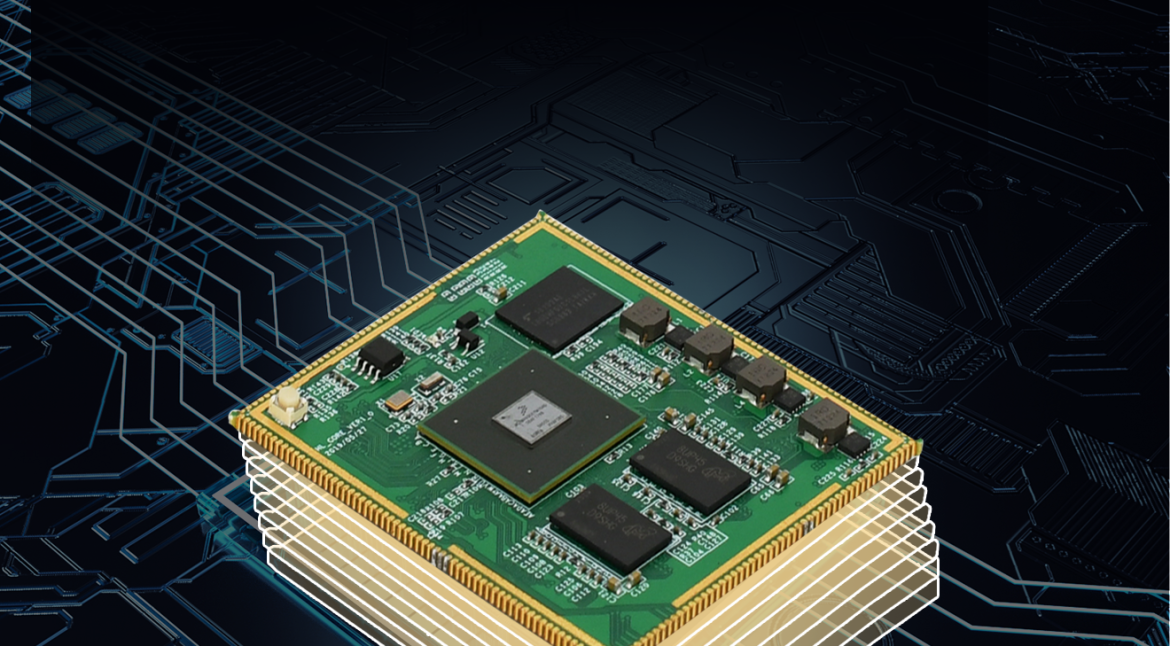
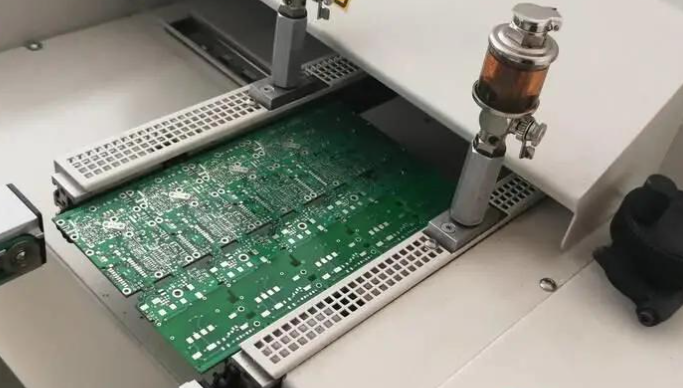
Standardized PCB Surface Finishing Process Control for Stable Mass Production

In PCB mass production, surface finishing is one of the critical process areas affecting solderability, appearance, electrical performance, and long-term reliability. Common defects such as pad oxidation, poor solderability, uneven coating thickness, gold layer peeling, discoloration, and corrosion are often related not only to individual process failures but also to…
dielectric constant

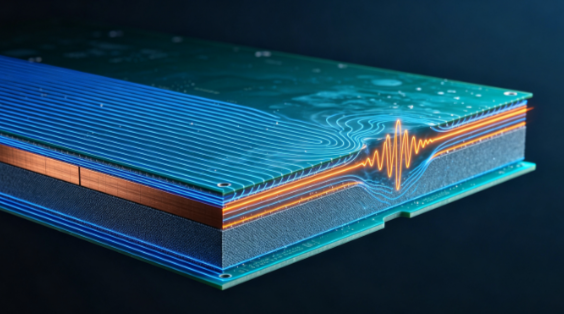
PCB Moisture Absorption: How It Changes Dk and Df

As PCB operating frequencies continue to increase, material stability becomes increasingly important. This is especially true for 6G PCB designs, millimeter-wave radar, high-speed communication equipment, and other RF applications where even small changes in dielectric properties can affect impedance, phase, insertion loss, and overall system performance. After reflow or other…
CTE mismatch

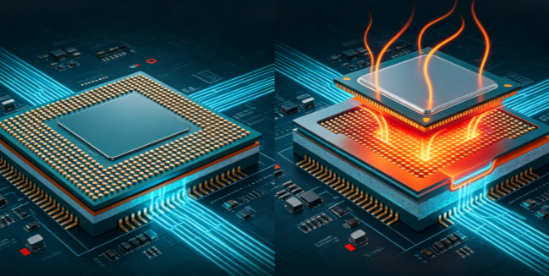
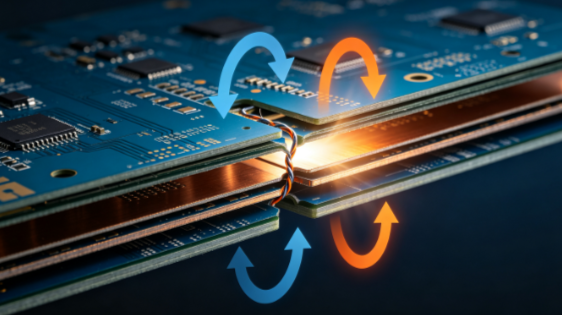
PCB Cracking During Thermal Cycling: CTE Mismatch and Reliability

Microcracks formed during PCB lamination may remain invisible immediately after manufacturing but gradually develop under repeated thermal cycling. This is particularly important for multilayer PCBs with BGA packages, where differences in thermal expansion between copper, laminate, prepreg, and package structures can create repeated mechanical loading. For example, after thermal cycling…