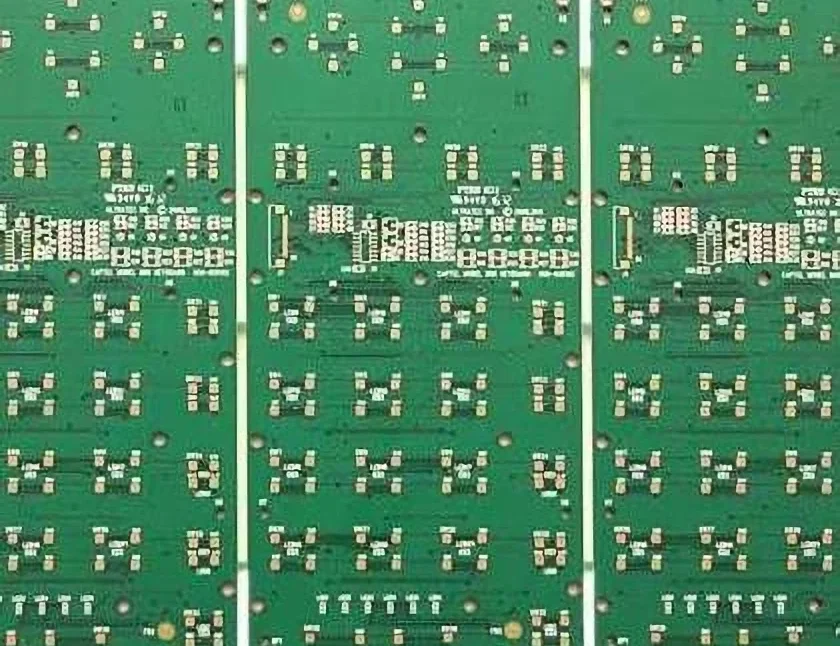
Solder Paste Selection Guide Solder paste is a mixture of alloy powder and flux, and it is the material that carries the solder to the joint. The alloy sets the melting point, the flux sets the cleaning action and the residue, and the powder size sets the finest feature that…
High Tg Laminate Selection And What It Buys The glass transition temperature of a laminate is the point at which the resin changes from a hard, glassy material into a softer, rubbery one. Below it the board is stiff and its dimensions are stable; above it the resin expands much…
USB Routing and Impedance Requirements for Reliable Links USB is designed to be robust, and that robustness hides a great deal of layout sloppiness at low speed. At the current data rates, however, a poorly routed pair produces intermittent enumeration, failed transfers and devices that work on one cable and…
Return Path Design Across Split Planes Every signal that travels on a trace returns on a reference. At low frequency the current takes the path of least resistance, which may be a long way around, but at high frequency the return current follows directly beneath the trace, because that is…
Guard Rings and Leakage Control in Sensitive PCB Design When a circuit measures picoamps, the resistance of the board itself becomes part of the circuit. Surface contamination, humidity and flux residues create leakage paths that can be larger than the signal being measured, and the errors they produce look like…
Intermetallic Growth And Solder Joint Reliability A solder joint is not a single material. Between the solder and the copper, the nickel or the gold that it wets, a layer of intermetallic compound forms. It is the reason the joint holds: a metallurgical bond exists where a layer of a…
Impedance Controlled Stackup Design Guide An impedance controlled stackup is a build in which the dielectric thickness of each layer is chosen so that a defined trace geometry gives a defined impedance. It is a joint decision between the layout and the shop, because the impedance depends on dimensions that…
Board Finish Selection Guide A board finish is the thin layer on the exposed copper that keeps it solderable until the assembly is done. It is chosen late, it costs very little, and it decides whether the first assembly run goes smoothly or produces a batch of joints that will…
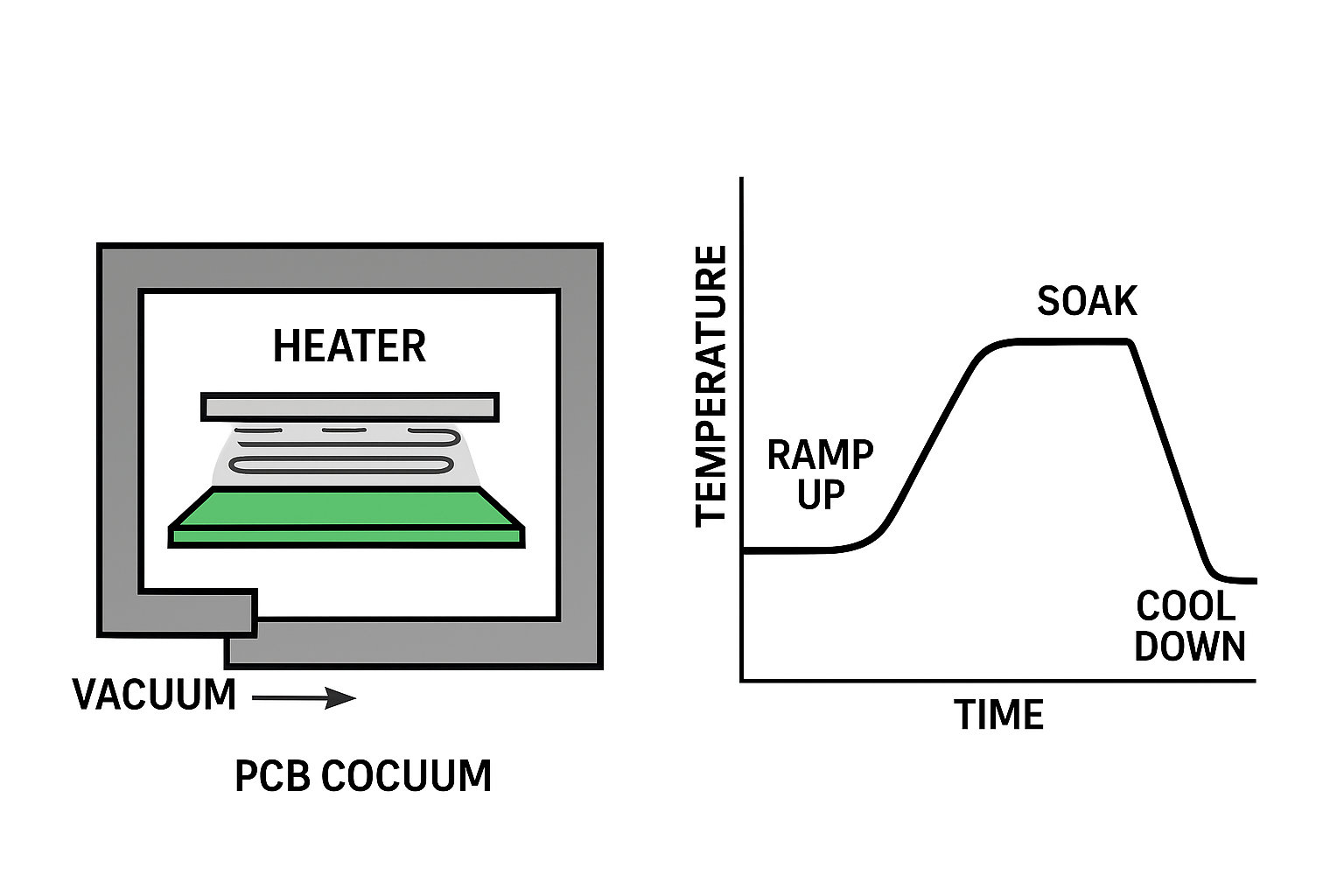
Bake Before Assembly And Moisture In The Laminate A printed circuit board absorbs water from the air. The laminate takes it up through the resin and the glass, the amount depends on the humidity and on how long the board has been exposed, and the water is released as steam…
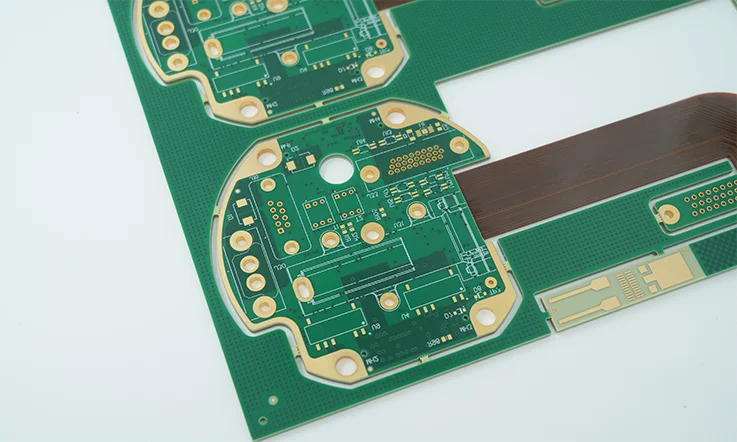
Flex Rigid Transition: Key Checks Before Release A flex rigid transition is the region where the flexible part of a board meets the rigid part. The laminate ends, the coverlay ends, the stiffener usually ends as well, and three mechanical discontinuities sit within a few millimetres of each other. The…