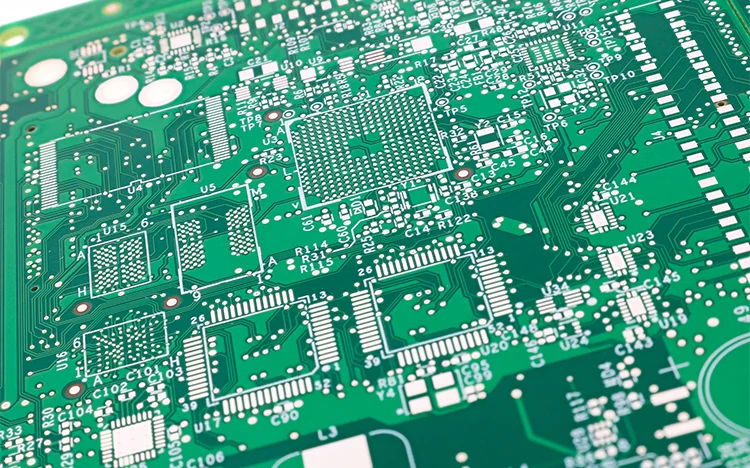
LVDS Routing Rules for High Speed Differential Pairs LVDS, or low voltage differential signalling, is a low swing differential technique that carries data at several hundred megabits per second over a printed pair or a balanced cable. Its small voltage swing and low drive current give it low noise and…
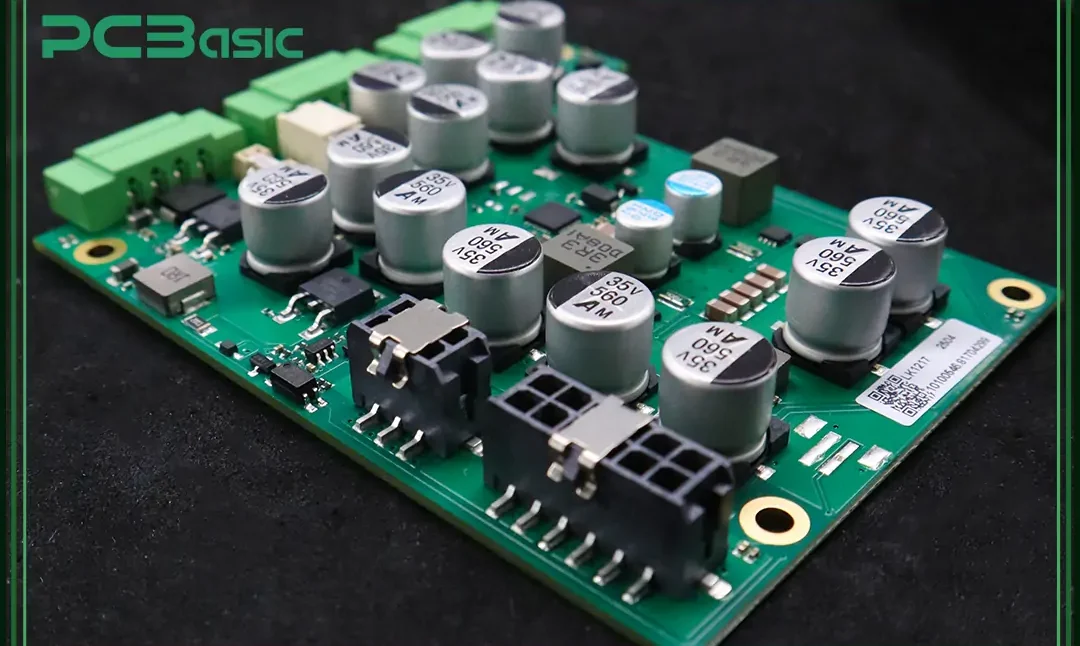
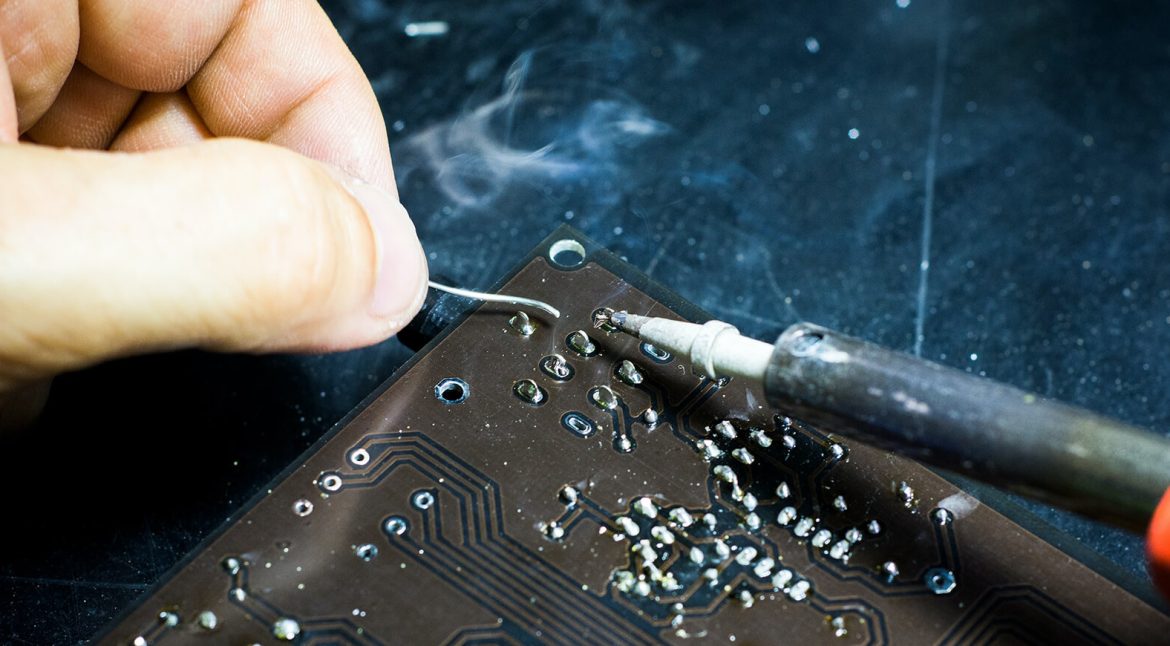
Solderability, Warpage and Layout as Causes of Soldering Defects A solder defect is rarely a soldering problem. The joint that opens, the fillet that never forms and the part that lifts are usually decided before the board reaches the oven, by the state of the copper, the flatness of the…
PCB Thermal Design: Keeping Component Temperatures Under Control Heat is the quiet failure mode of modern electronics. A board that passes every electrical test on the bench can still fail in the field because a regulator, a power amplifier or an FPGA runs hot enough to shorten its own life…
PCB Key Metrics: Warpage, Copper Thickness and Impedance Three numbers decide whether a finished panel behaves the way the design intended: how flat it stayed, how much copper is actually on the traces, and what impedance the controlled traces present. Each is quoted on a drawing, each is measured in…
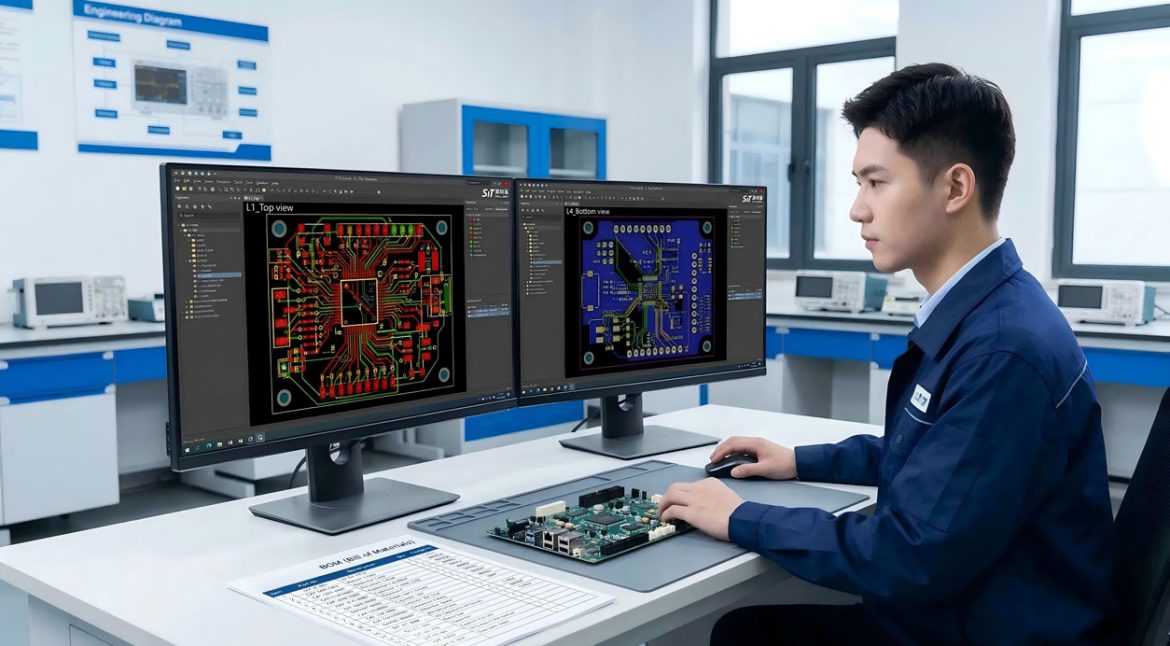
Multilayer PCB Prototype Fabrication Flow A multilayer prototype is not a smaller version of a production run. It is a test of the design data, of the fabricator and of the design rules, and it is built by the same sequence of operations that a production panel will follow. Knowing…
Humanoid Robot PCB: What the Design Has to Do A humanoid robot is a collection of boards distributed through a moving body, and that fact shapes everything about how they are designed. A board in the torso can be large, well cooled and generously routed; the same functions split into…
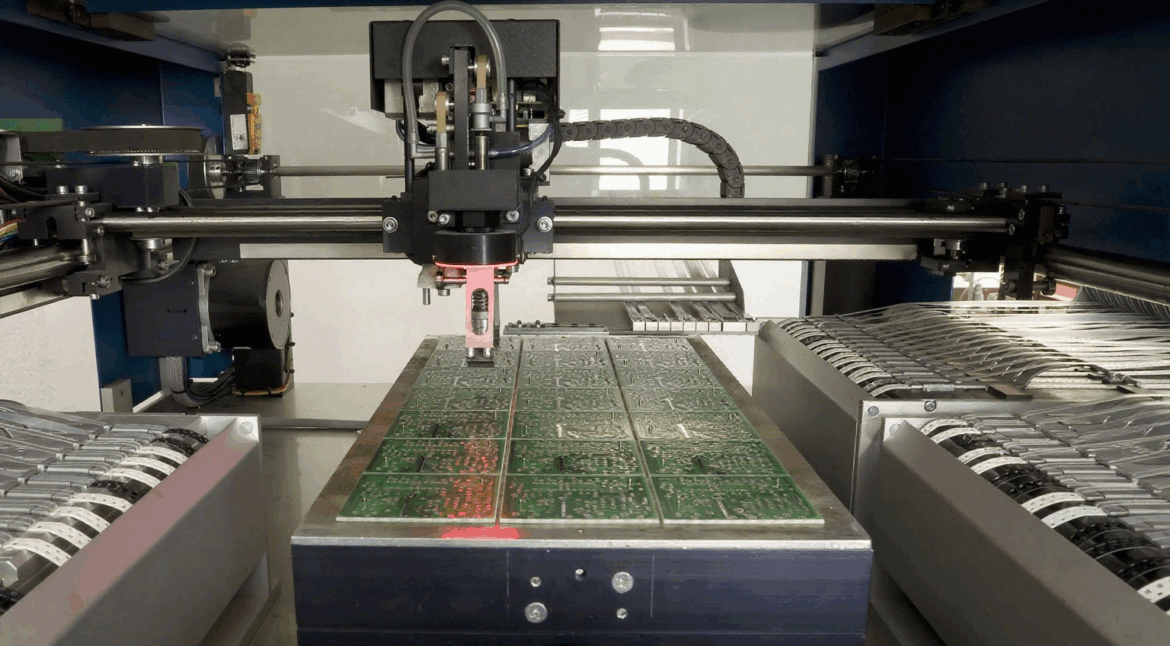
SMT Assembly vs Manual Assembly: Which Should You Use Almost every production board is assembled by more than one method, and the argument about automation is usually about where the split falls rather than which process is right. SMT assembly places and reflows the fine pitch components that no hand…
10-Layer HDI PCB: Stackup, Microvia and Manufacturing Guide A ten layer board with through vias can already carry a dense design. What it cannot do is carry that density in a small area, because every through via consumes routing space on every layer it passes through. High density interconnect solves…
PCB Flame Retardant Ratings: 94V-0, 94V-1 and HB Compared Flame retardant ratings rarely appear in a design review until a safety engineer asks for them, and by then the laminate has been chosen. The rating is not a property of the finished board alone but of the base material, and…
High Frequency PCB Manufacturing: Material and Process Control A high frequency PCB is not a board made from a different kind of circuit. It is an ordinary circuit built on a laminate whose electrical properties stay predictable at the frequencies where the signal travels as a wave rather than as…