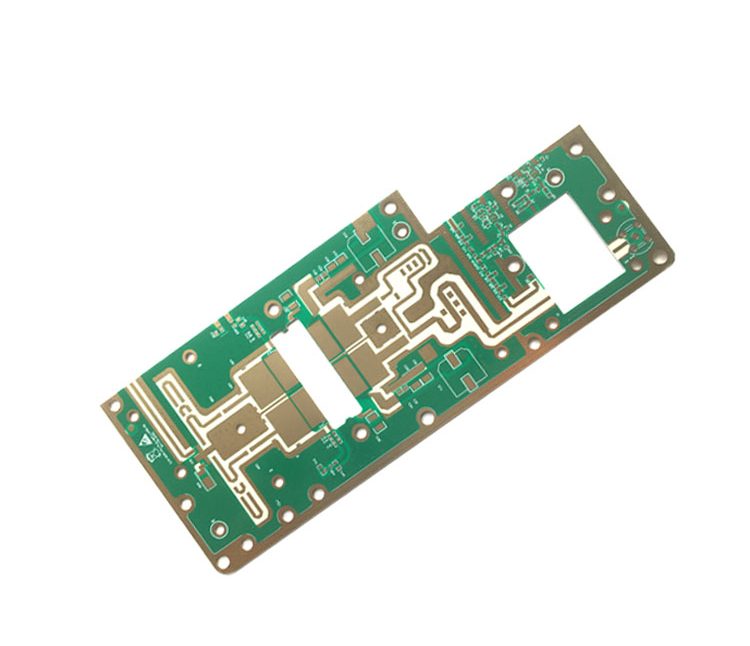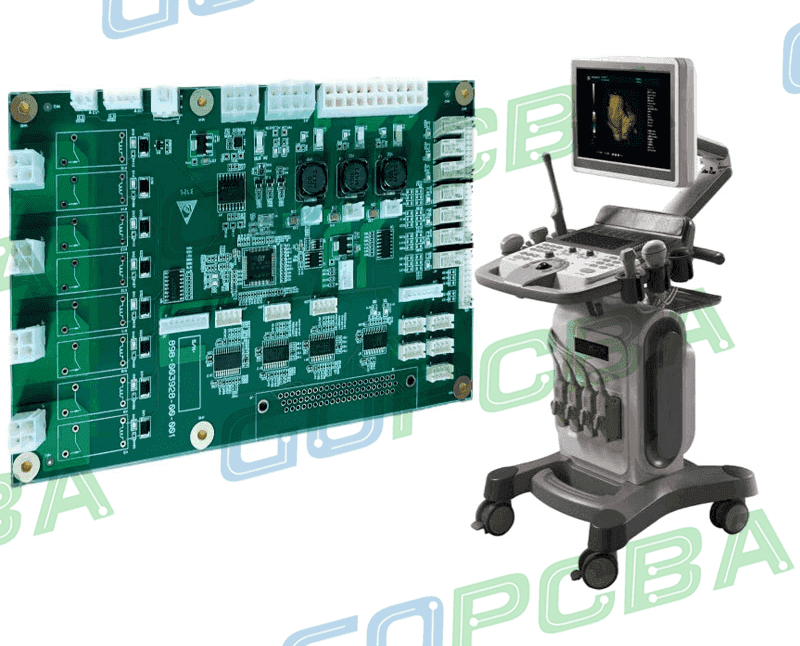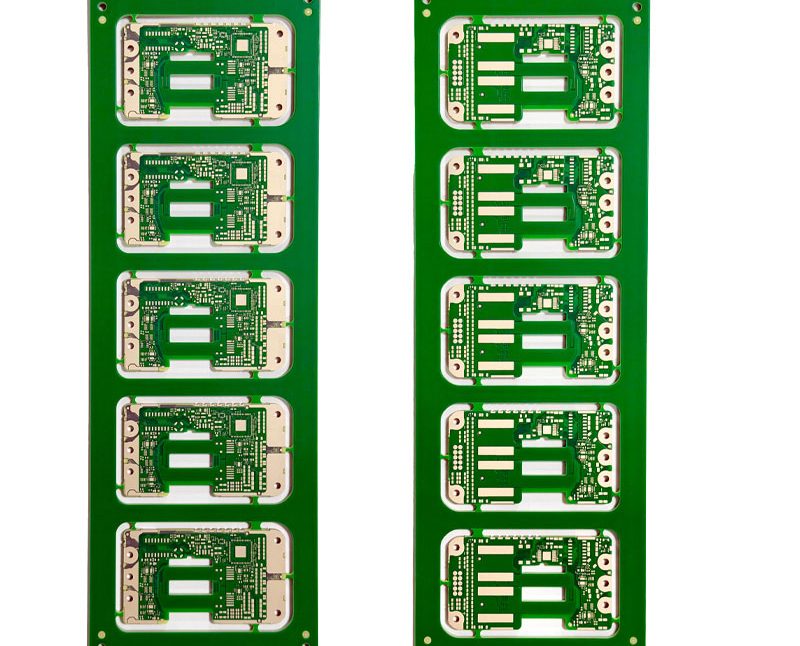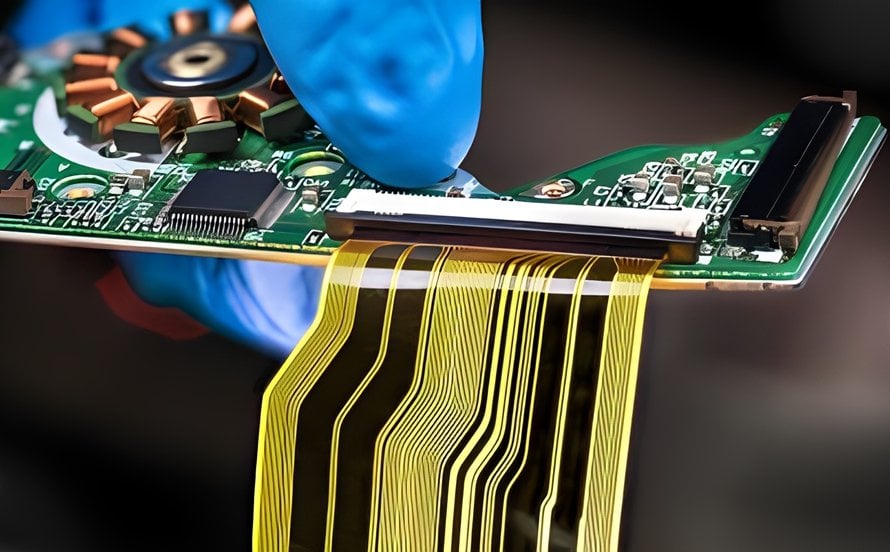
Copper Core PCB Thermal Conductivity and Manufacturing A copper core PCB is chosen for one reason above all others: heat. Where a circuit dissipates enough power that an ordinary laminate cannot spread it away fast enough, replacing the base material with a metal plate turns a thermal management exercise into…
Six Layer PCB Return Path: Stackup and Reference Planes A signal trace is only half of a circuit. Current leaves the driver, travels along the trace, arrives at the receiver, and must then find its way back to the driver through the reference structure. That second half of the loop…
PCB Visual Inspection: A Practical Checklist Two boards can both pass electrical test and still be very different products. One will run through assembly without incident and survive a decade in the field; the other will produce solder defects, a failed connector insertion or a field return six months later.…
Does Solder Mask Colour Affect PCB Quality? Buyers often treat solder mask colour as an indicator of quality, on the assumption that a dark board must be a serious one. The assumption does not survive contact with the process. Colour is a pigment added to the same resin, and the…
Metal Core PCB or Ceramic Substrate: How to Choose When a component produces more heat than an ordinary laminate can carry away, the board itself becomes part of the thermal solution. Two families answer that requirement: the metal core PCB, which uses an aluminium or copper base under an insulating…
PCB Layout Planning: Structure, Placement and Routing Strategy Layout is where a correct schematic either becomes a working product or a source of problems that no amount of firmware work will fix. Most of that outcome is decided before the first track is drawn, in the decisions about board structure,…
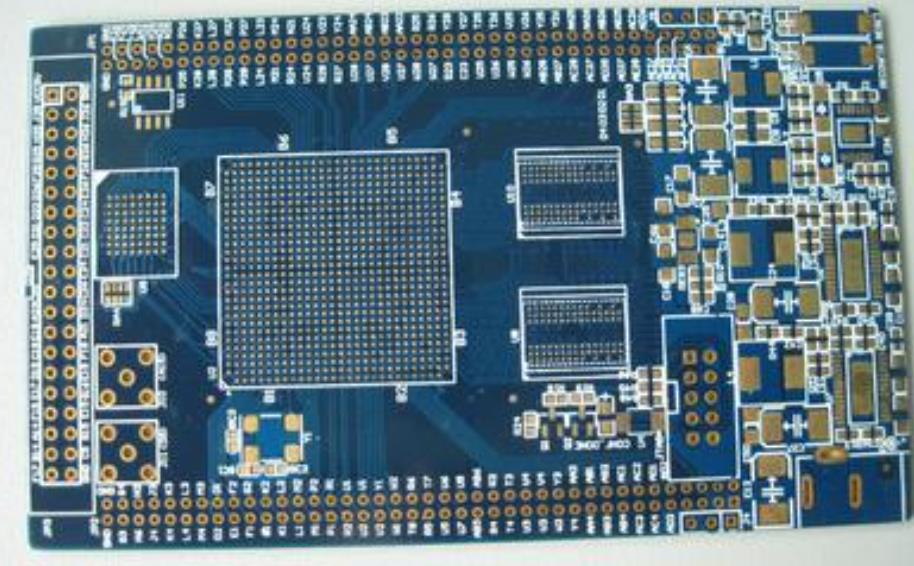
Core Board PCB Classification: Layers, Materials and Construction A core board is the small, self-contained module that carries the processor, memory and essential support circuitry, leaving the application-specific design to a larger carrier board beneath it. Because the term describes a role rather than a single product, core boards come…
PCB Quality Control: Test Methods on the Production Floor Every process step can introduce a defect, and the defects look different depending on where they were created. That is the fundamental reason PCB quality control cannot rest on a single method. A board that passes one test may still carry…
Sizing a Plating Tank for PCB Production A plating line is sized once and then lives with the consequences for years. Too small a tank and the bath overheats during a heavy load, the chemistry drifts, and the deposit varies from panel to panel. Too large a tank and the…
PCB Trace Antenna versus Chip Antenna: Cost and RF Performance Nearly every wireless product built in the last decade has had to answer the same question, usually late in the schedule: does the antenna live on the board as copper, or does it arrive as a component? A PCB trace…