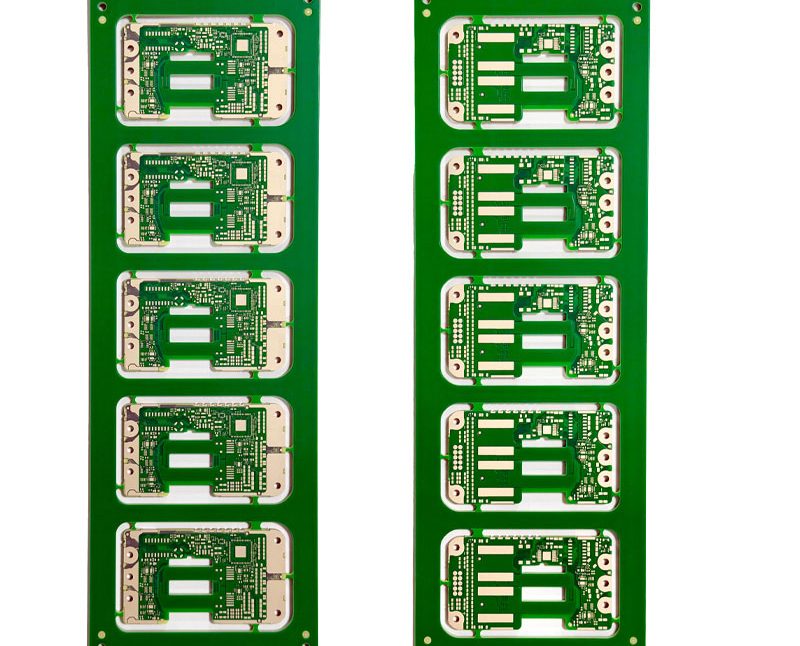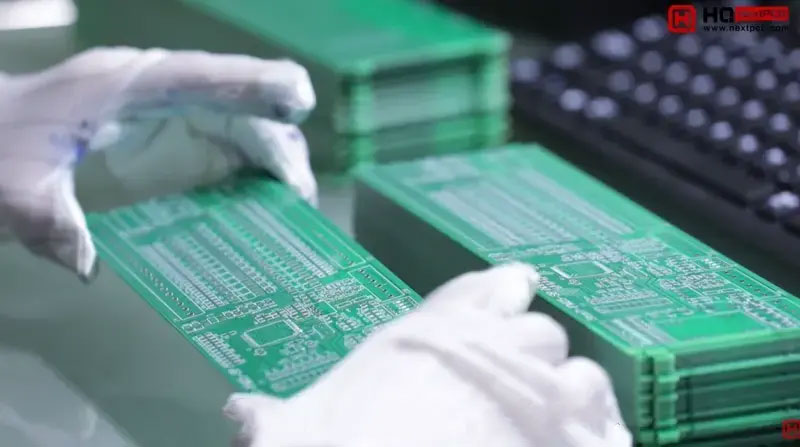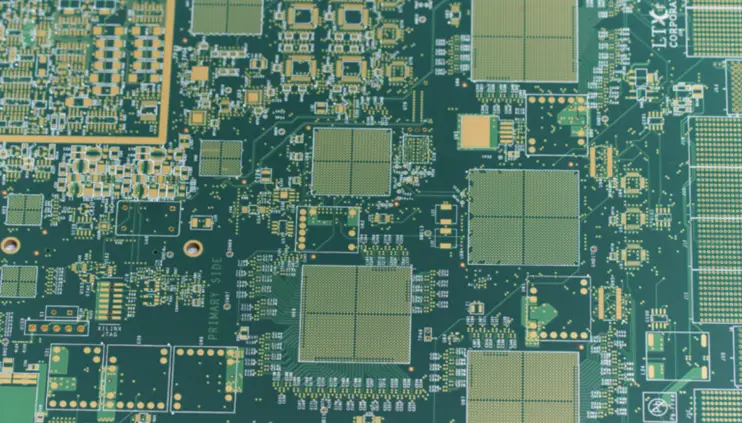
Rogers vs Taconic: Choosing a High Frequency Laminate Two laminates can share a dielectric constant and still behave very differently on the bench and on the production line. Rogers and Taconic both supply high frequency materials that engineers compare constantly, and the Rogers vs Taconic question has no single right…
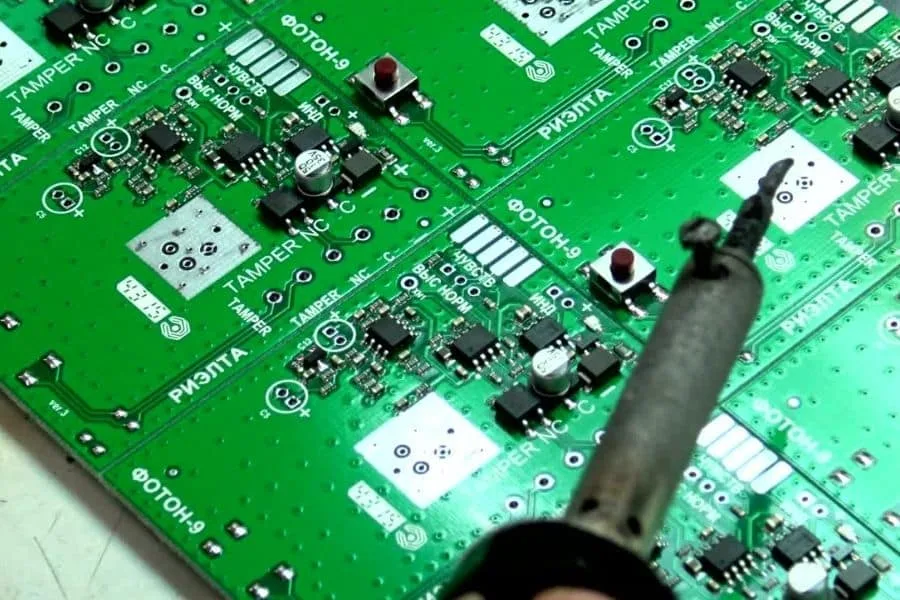
Instant PCB Quote vs Traditional RFQ: Time and Cost Quoting is the first place a design meets manufacturing reality, and it is also the first place a schedule can be lost. An instant PCB quote returns a price and a lead time in seconds from an uploaded set of Gerber…
BGA Assembly versus LGA Assembly: Process and Inspection BGA and LGA packages solve the same problem in two different ways. Both put a dense array of connections on the underside of the device so that hundreds or thousands of inputs and outputs fit under a chip the size of a…
Exposed Copper on a PCB Pad: Causes and Cures Bare copper is the normal state of a pad before the finish is applied and an abnormal state almost anywhere else. When it appears where it should not, either the mask has failed, the finish has been damaged, or handling has…
Solder Mask Misregistration: Causes and Fixes Solder mask misregistration is the mismatch between where a mask opening was designed and where it lands on the finished board. It is a small error in absolute terms, often measured in tens of micrometres, but it moves in the wrong direction on a…
Automotive PCB Layout for Functional Safety and EMC An automotive board is not a consumer board with a wider temperature rating. The environment imposes vibration, thermal cycling across a range that spans a winter cold start and a car parked in summer sun, and a service life measured in a…
SMT Assembly Inspection: SPI, AOI and X-Ray Checks Explained Inspection in a modern SMT assembly line is not a final gate that sorts good boards from bad ones. It is a set of measurements placed at each stage of the process, so that a deviation is caught where it is…
Surface Finish for Lead-Free Boards and Test Contact A surface finish has to do two jobs that are often discussed separately. It has to keep the copper solderable until the assembly is built, and it has to present a surface that a test probe can penetrate reliably. Moving to a…
High Speed Clock PCB Design: Jitter, Impedance and Routing Every synchronous system has one net that matters more than the rest. The clock sets the instant at which everything else is sampled, so a small error on that net becomes an error everywhere. High speed clock routing is therefore less…
Solder Mask Bridge: Design and Manufacturing Rules A solder mask bridge is the narrow strip of coating left between two adjacent openings in the mask, and it is one of the smallest features on a printed circuit board. It is also one of the most heavily loaded. During reflow the…