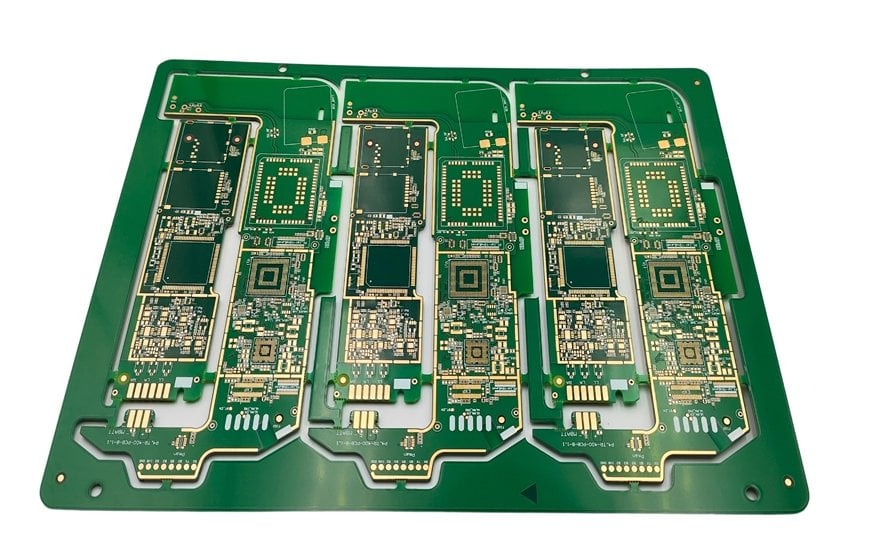
PCB Annular Ring: Drill Tolerance and Design Rules Every plated hole in a board is surrounded by a ring of copper, and the width of that ring is one of the least glamorous and most consequential dimensions in the design. An annular ring that is too narrow breaks out of…
PCB Plasma Etching vs Chemical Etching: Which Process Fits Etching is the step where a circuit pattern stops being a drawing and becomes copper, and the process chosen decides how faithfully that transfer happens. Chemical etching dissolves metal in a wet bath and remains the backbone of ordinary PCB production,…
Ultrasound Probe PCB Design: Channels, Materials and Stackup An ultrasound probe is a dense analogue front end wrapped in a hand held package. Its printed circuit board carries the transmit pulses, the returning echoes, the beamforming connections and the control signals, all inside a body small enough to press against…
Ceramic Substrate Manufacturing: Tape Casting to Co-Firing A ceramic substrate is used where neither FR-4 nor a metal core board can do the job. Ceramic offers the best combination of electrical insulation, thermal conductivity, and dimensional stability at temperature, which is why it appears in power modules, high-brightness lighting, and…
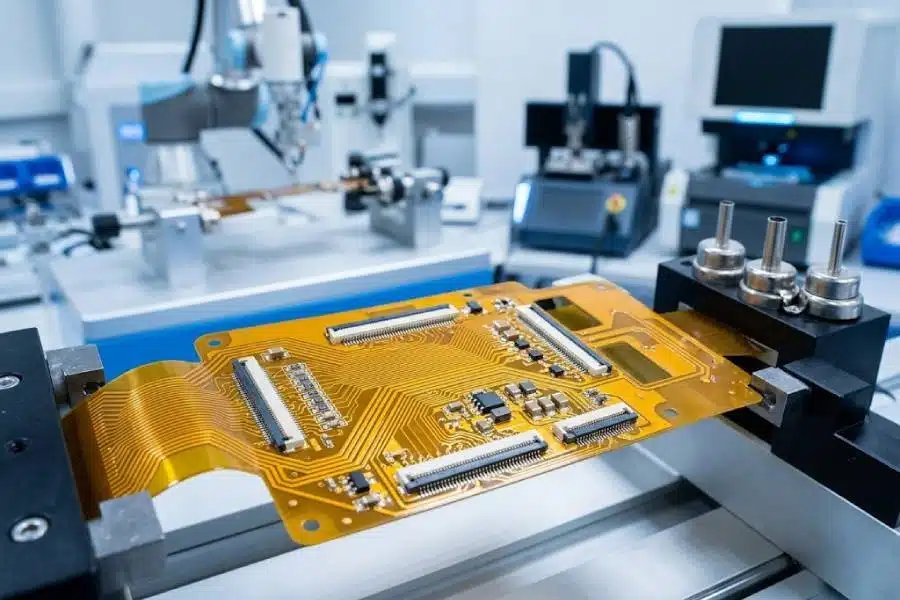
FPC Design Rules for Flex Circuits That Bend Repeatedly A flexible circuit that fails in the field usually fails mechanically, and the mechanics are decided long before the layout is drawn. The copper type, the film, the adhesive system, and the pad finish all contribute, and several of them interact…
Smoke Detector PCB: Sensor, Power and Reliability Design A smoke detector is a product with an unusual set of constraints. It must run for years on a single battery, detect a signal that changes slowly and slightly, resist false alarms from cooking and steam, and be trusted to work when…
Hard Gold versus Soft Gold PCB Plating: Which to Use Gold finishes on a board are not interchangeable. A gold finish chosen for a soldering surface behaves differently from one chosen for a connector that will be inserted a thousand times, and using the wrong one produces either a finish…
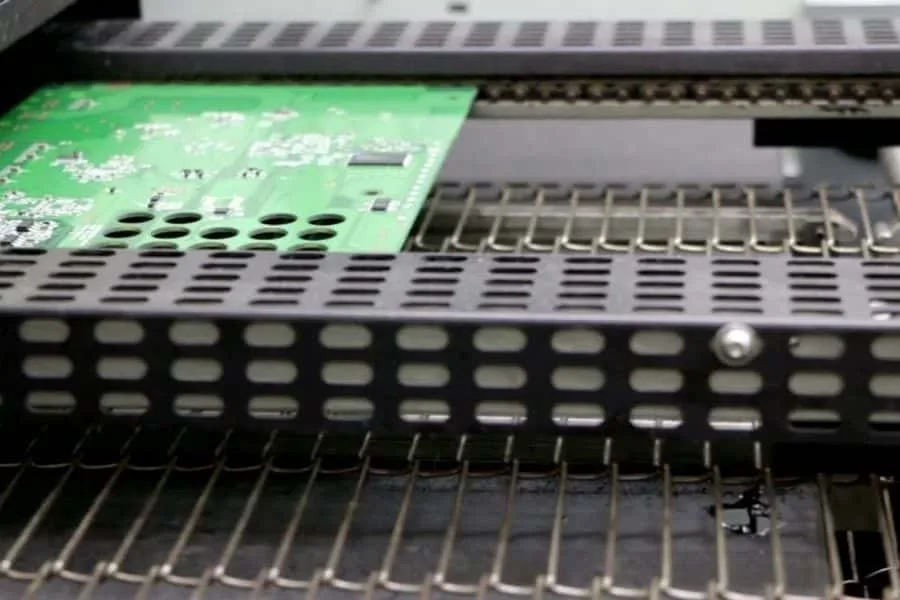
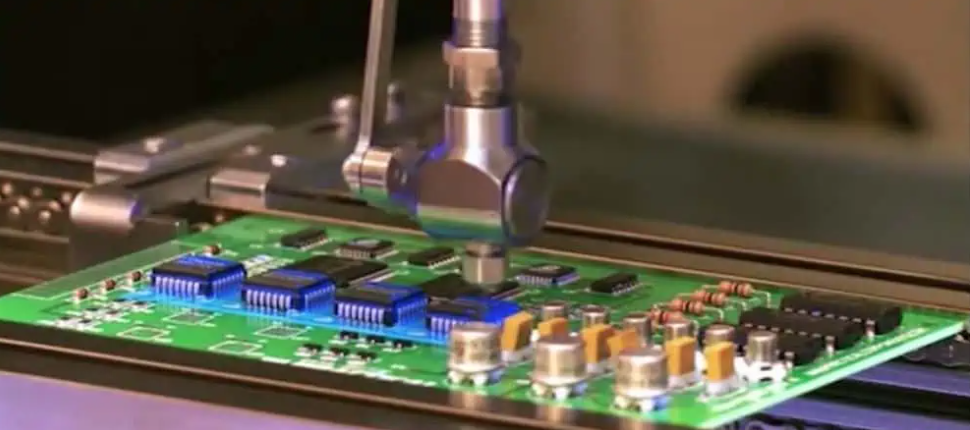
Designing for the Soldering Process: What the Layout Should Provide Most solder defects are designed in rather than produced. The stencil, the placement machine and the reflow oven all operate on what the layout gives them, and when the layout gives them something awkward, the process has to compensate. Understanding…
FPC Production: Five Panelisation Principles Flexible circuits are almost never produced one at a time. A single FPC is too small for the handling equipment and too wasteful of material, so production starts from a panel that carries many units. How that panel is arranged, the panelisation of the design,…
PCB Dimensions: Units, Footprints and Enclosure Fit A designer who knows the tool but not the numbers will still produce a board that cannot be assembled. Software facility is a means of expressing a decision about size, and the decision is where the engineering sits: a part placed at the…