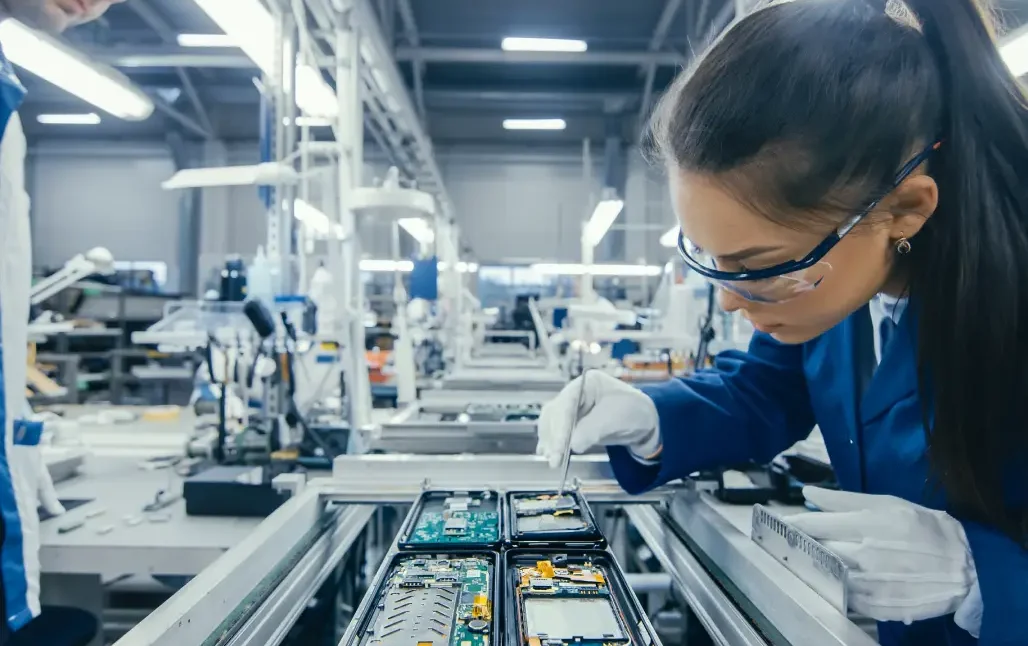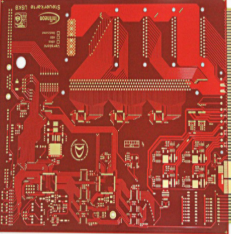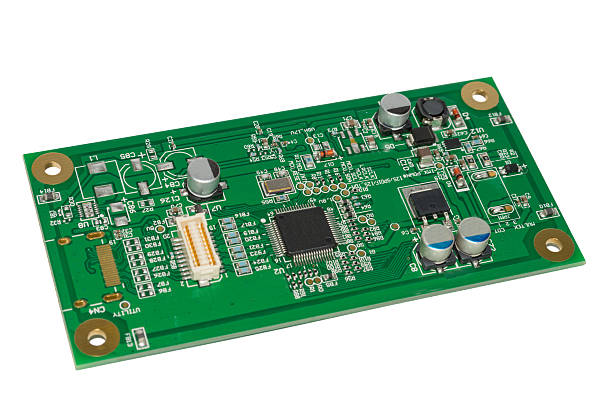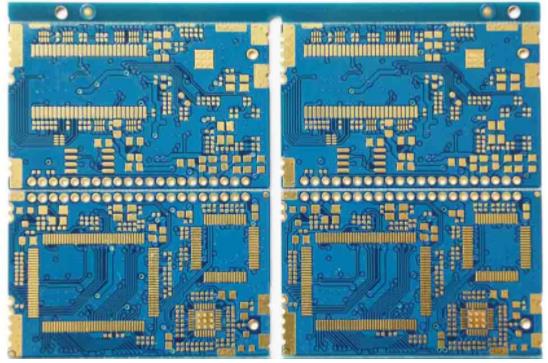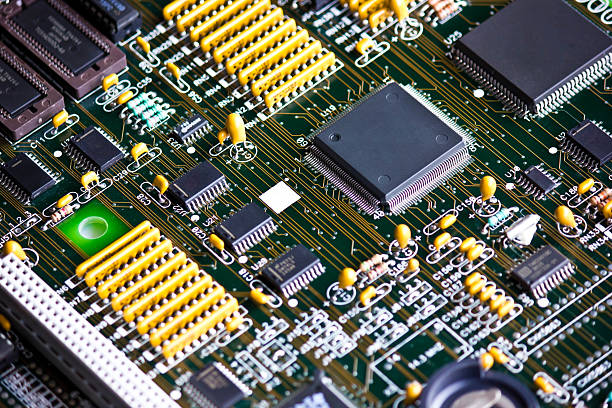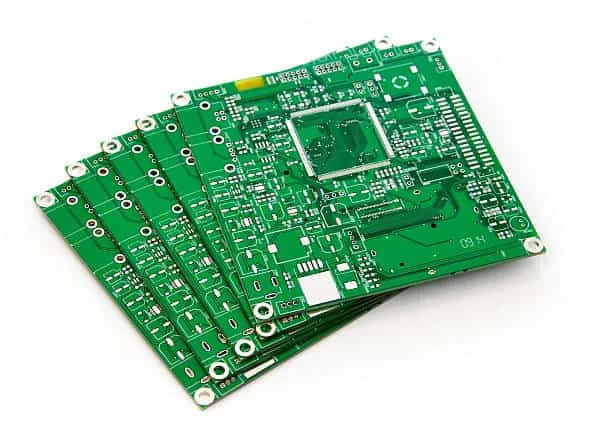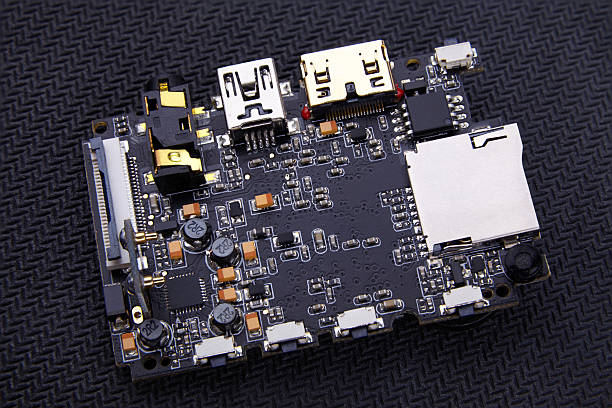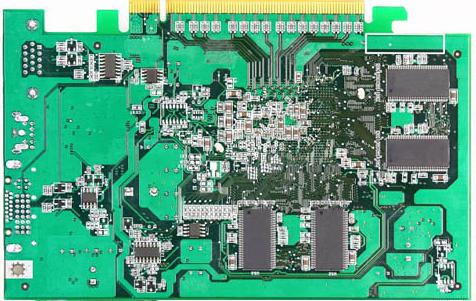
The success of PCB Assembly depends not only on the manufacturing process but also on decisions made during the initial PCBA Design stage. Product functionality, cost, component selection, manufacturing capability, and assembly sequence must all be considered before production begins. As electronic products continue to become smaller and more highly…
How Does a PCB Work? PCB Structure, Components & Working Principle Guide At first glance, a PCB (Printed Circuit Board) may appear to be nothing more than a flat board covered with copper traces and miniature electronic components. However, a closer look reveals that a PCB is a carefully engineered…
How to Repair a Damaged PCB: PCB Repair, Pad Repair & Trace Repair Guide Printed circuit boards (PCBs) are fundamental components of almost every modern electronic product. From consumer electronics and automotive systems to industrial controls, medical equipment, telecommunications, and power electronics, PCBs provide the electrical and mechanical foundation for…
PCB Surface Blistering is a common quality issue associated with insufficient bonding between different material or metal layers during PCB Manufacturing. It may appear as localized bubbles, lifting, peeling, or separation between the copper layer and substrate, or between different plated layers. For a Multilayer PCB, surface blistering is often…
Custom PCB Design and Manufacturing: Custom PCB Board Process, Benefits & Applications As electronic products become smaller, smarter, and more multifunctional, conventional printed circuit boards (PCBs) are often no longer sufficient to meet increasingly complex system requirements. A standard PCB is typically designed around a defined circuit architecture and a…
How to Determine PCB Layer Count: PCB Layers, Stackup & Inspection Guide The rapid development of electronics and automation has made the PCB (Printed Circuit Board) an essential part of almost every modern electronic product. From consumer electronics and industrial automation equipment to automotive systems, telecommunications, medical devices, and aerospace…
How to Program a PCB: PCB Programming, Firmware Flashing & Testing Guide Modern electronic products are expected to perform increasingly complex tasks while remaining compact, reliable, and upgradeable. The development of the PCB (Printed Circuit Board) has made this possible by providing a compact platform for integrating electronic components, power…
PCB Prototyping Manufacturer: Fast and Reliable PCB Prototyping Services For electronics companies developing new products, fast and reliable PCB prototyping is an essential part of the product development process. Engineers and R&D teams often need prototype boards in small quantities to verify circuit designs, test electrical performance, identify potential…
How to Read a PCB Board: PCB Components, Layout, Traces & Troubleshooting Guide Printed circuit boards are the backbone of modern electronic systems. By integrating conductive copper structures, electronic components, interconnections, and mechanical features into a compact platform, a PCB board allows complex electronic functions to be implemented in a…
High-Frequency PCB Manufacturing: Process, Materials and Key Technologies The demand for high-performance electronic systems continues to increase as technologies such as 5G communications, radar, satellite communications, artificial intelligence, and high-speed computing become more widely adopted. In these applications, a High-Frequency PCB serves as a critical platform for transmitting and processing…