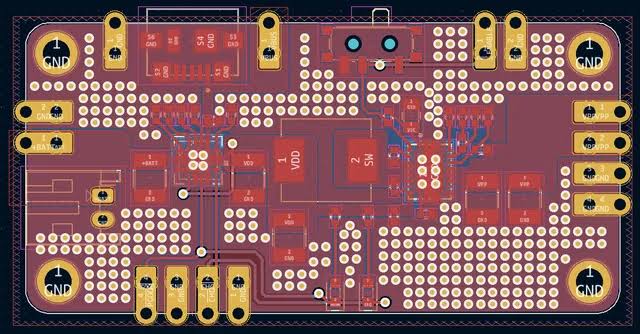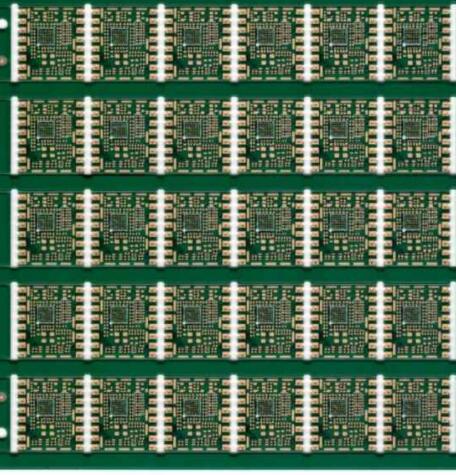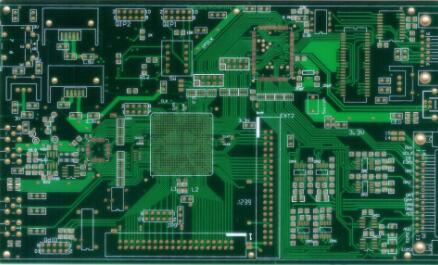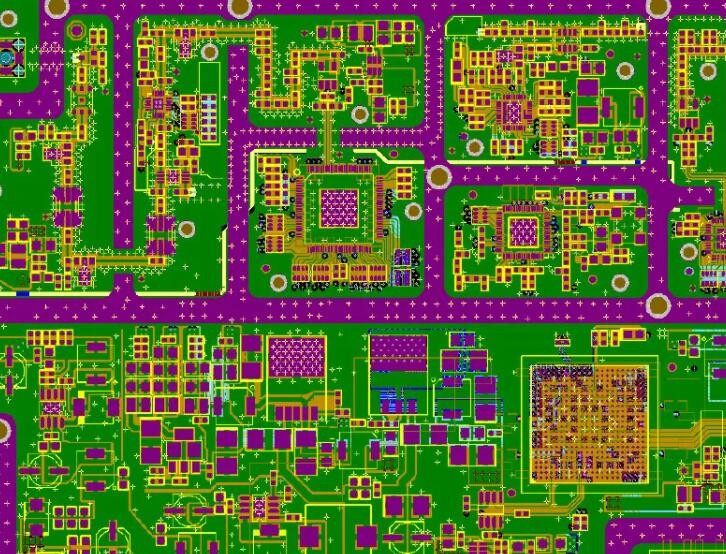
Printed circuit boards (PCBs) are an essential part of modern electronic devices, providing reliable electrical interconnections between components, sub-boards, and mainboards. Depending on their construction and application requirements, PCBs can generally be categorized into rigid PCB, rigid-flex PCB, and flexible PCB. Among these technologies, flexible PCB solutions have become increasingly…
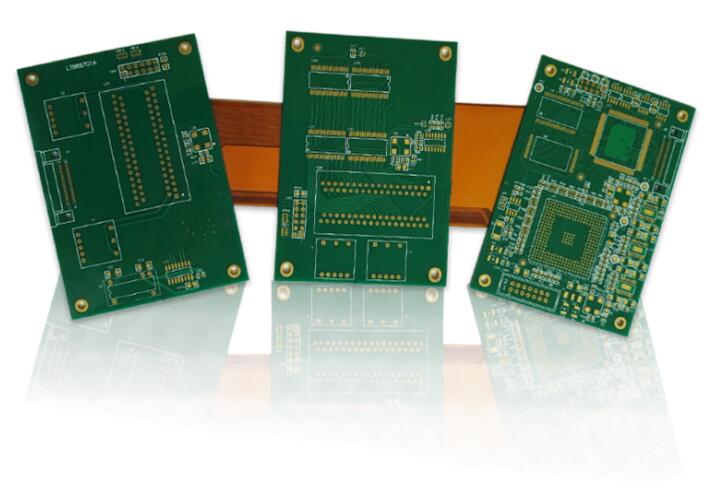
Printed circuit boards can generally be divided into two major categories: rigid PCB and flexible PCB. As their names suggest, rigid PCBs maintain a fixed shape, while flexible PCBs can bend, fold, or conform to three-dimensional structures according to the requirements of the end product. Both technologies remain widely used…
HDI PCB technology represents one of the most advanced directions in modern printed circuit board manufacturing. As electronic products continue to become smaller, lighter, and more highly integrated, conventional PCB structures are increasingly unable to meet the requirements for fine-pitch components, dense routing, and compact interconnections. By combining finer circuit…
As HDI PCB technology continues to evolve alongside highly integrated ICs and high-density interconnect technology, it has become one of the most important developments in modern PCB fabrication. HDI technology enables finer lines, smaller microvias, higher wiring density, and more compact board structures, particularly for smartphones and other miniaturized electronic…
As electronic systems continue to operate at higher speeds and frequencies, high-frequency PCB design has become increasingly important for achieving stable signal transmission, reliable power delivery, and good electromagnetic compatibility. High-frequency and high-speed PCB designs are more sensitive to trace geometry, layer stack-up, power distribution, return-current paths, component placement, and…
As electronic products continue to evolve toward miniaturization, higher performance, and greater integration, SMT assembly has become one of the most important technologies in modern electronics manufacturing. Compared with traditional through-hole assembly, surface mount technology offers significant advantages in component density, electrical performance, production efficiency, automation, and overall manufacturing cost.…
PCB Copper Thickness Control: Ensuring Stable Current Carrying Capacity in PCB Manufacturing In PCB manufacturing and electronic applications, copper layer thickness is one of the most important factors determining electrical performance and reliability. Stable PCB Copper Thickness Control ensures that current can flow efficiently through circuits without excessive heat generation,…
How to Achieve ±0.2mil Trace Width and Spacing Control in PCB Manufacturing In advanced electronics manufacturing, trace width and spacing accuracy directly determine circuit density, signal integrity, and product reliability. The ability to achieve ±0.2mil precision has become one of the most important indicators of high-end PCB manufacturing capability. This…
Solder Mask Process Explained: How to Achieve Precise Alignment and Excellent Insulation Performance In the PCB production process, the Solder Mask Process is a critical step that directly affects product reliability, safety, and long-term performance. Its main objectives are achieving accurate alignment and creating a durable insulation layer. Precise…
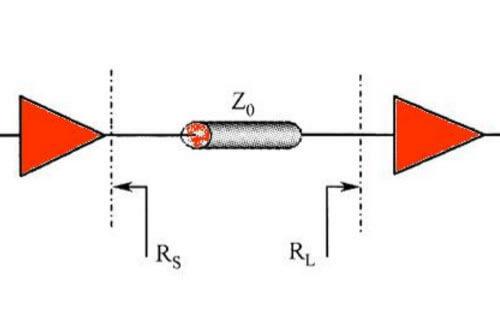
In high-speed PCB design, PCB impedance matching is an important technique for maintaining signal integrity and reducing signal reflections, overshoot, ringing, and electromagnetic interference. As signal rise times become faster and transmission distances increase, PCB traces can no longer always be treated as simple electrical connections. Instead, they may behave…