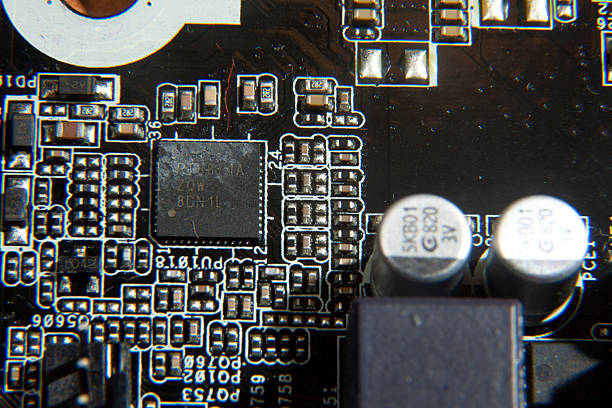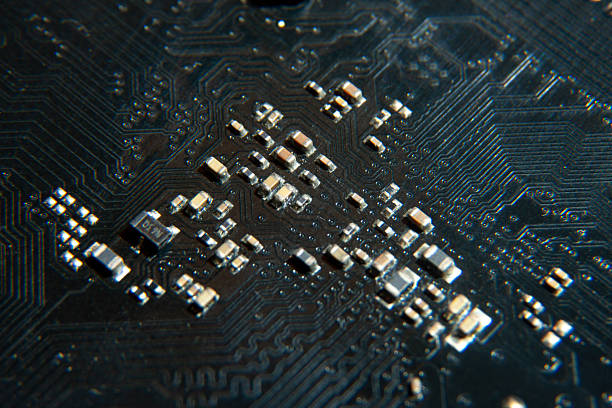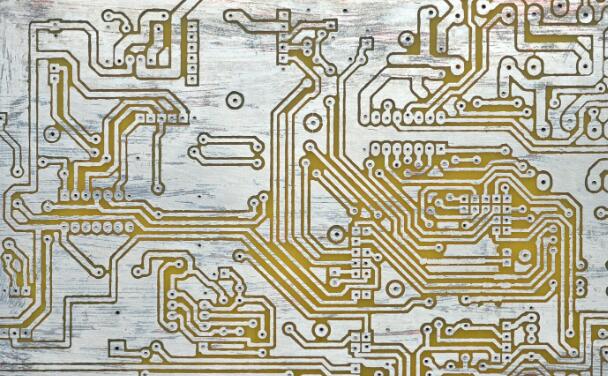
How to Achieve Mass Production of High-Density PCB and Miniaturized PCBs As electronic devices continue to become thinner, lighter, and more multifunctional, PCB requirements are increasingly focused on high-density PCB solutions and miniaturization. Modern electronic products require smaller circuit boards that can support more components and complex circuits while…
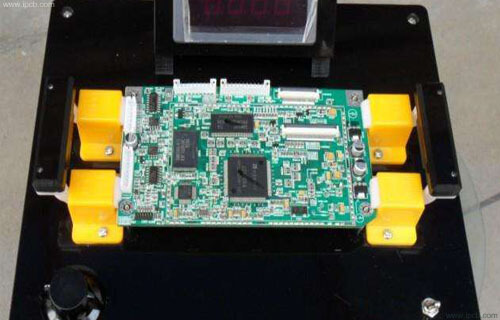
During PCB assembly, accurate temperature control is essential for achieving reliable solder joints and preventing defects. To obtain an accurate temperature profile, thermocouples are commonly attached to selected points on the PCB and monitored as the board passes through the reflow oven. For solder paste printing and subsequent reflow soldering,…
5 Hidden Supply Chain Cost Advantages of Choosing a Local PCB Manufacturer In the electronics manufacturing industry, supply chain management often focuses on visible costs such as material prices and manufacturing fees. However, hidden costs are frequently overlooked. These costs exist throughout communication, delivery, inventory management, technical support, and…
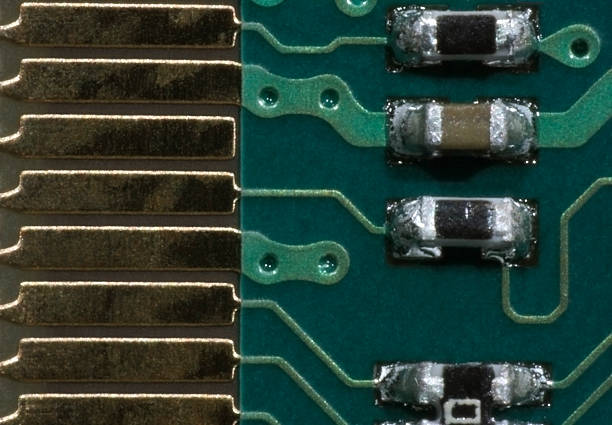
The same discipline applies to PCB Solder Mask Color, where a small process drift turns into a large yield loss. PCB Solder Mask Color Selection Guide: More Than Just Green The solder mask is an essential part of the PCB manufacturing process. It not only protects copper traces and…
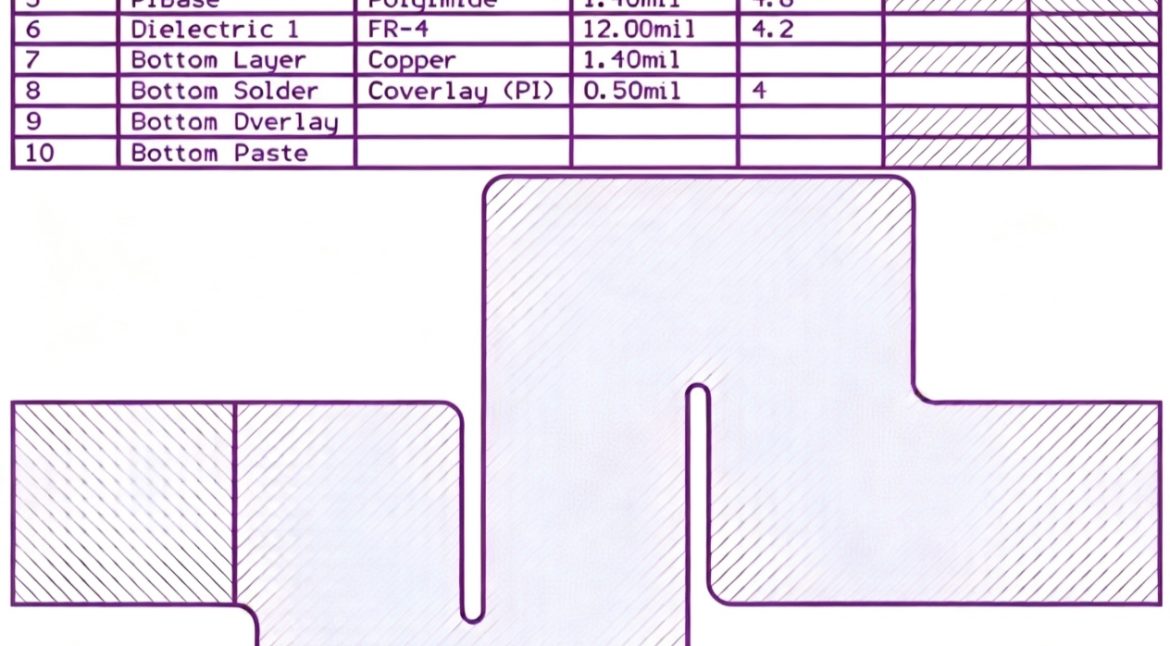
Designing a Rigid-Flex PCB requires close coordination between PCB design and manufacturing. Unlike a conventional rigid or flexible circuit board, a rigid-flex board combines rigid and flexible sections within the same structure. Different regions may therefore require different materials, layer configurations, coverlay structures, and fabrication processes. Understanding the manufacturing process…
What Is PCB TG Value and How Does It Affect Product Performance? During PCB manufacturing, TG value is an important material performance indicator that is often mentioned but sometimes overlooked. Although TG value may seem like a technical term that is difficult to understand, it directly affects PCB stability…
High Cleanliness and Biocompatible PCB Manufacturing Requirements In specialized fields such as medical equipment, food inspection systems, and biological laboratory instruments, PCBs must provide not only stable electrical performance but also meet strict requirements for cleanliness and biocompatibility. High cleanliness PCB technology ensures that PCB surfaces remain free from…
BGA Packaging, or Ball Grid Array packaging, is a surface-mount packaging technology widely used for integrated circuits (ICs) that require a high number of I/O connections within a compact package footprint. The development of BGA technology is closely related to the growing demand for electronic products that are smaller, lighter,…
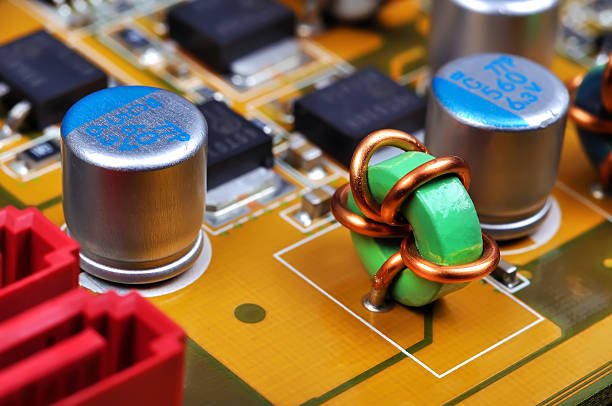
Durable PCB Solutions for Harsh Industrial Environments In complex industrial environments, PCBs serve as the core connection platform of electronic equipment and are often exposed to extreme conditions such as high temperatures, humidity, continuous vibration, and chemical corrosion. Standard circuit boards may experience performance degradation, electrical failures, or shortened service…
The process of transforming a copper-clad board into a functional circuit pattern is a critical stage in PCB Manufacturing. Modern circuit boards contain increasingly fine lines, smaller spacing, and more complex interconnections, making etching accuracy essential to the overall performance and reliability of the finished PCB. One of the most…