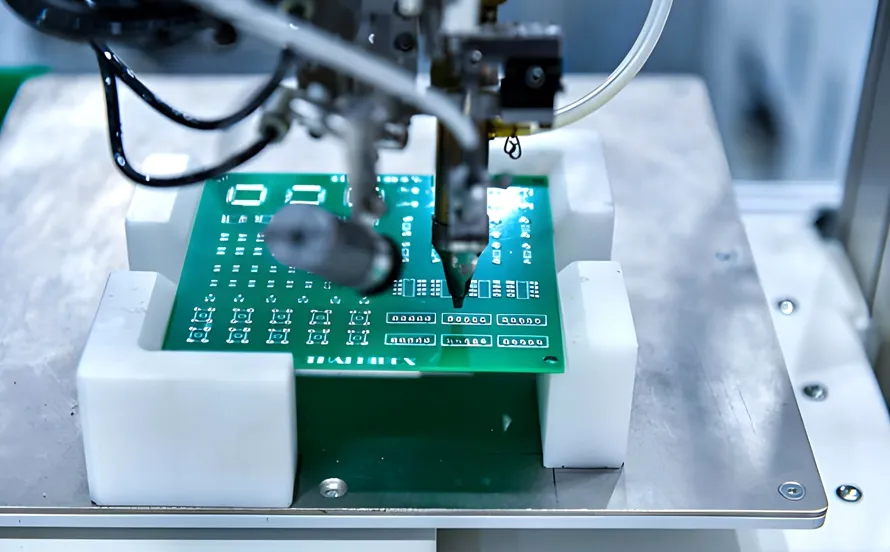
PCB Decoupling Capacitor Placement and Installation Guide Proper power distribution is essential for achieving stable and reliable electronic circuit performance. During high-speed switching, digital ICs can generate short-duration current spikes that cause power supply voltage fluctuations, electromagnetic interference, and signal integrity problems. Using PCB decoupling capacitors correctly is one…
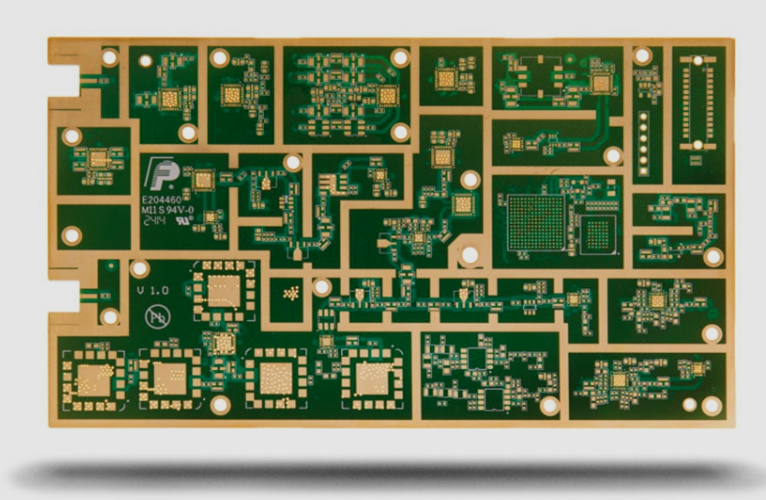
PCB Design Optimization: How to Reduce Errors and Improve Efficiency PCB design is a critical yet time-consuming stage in electronic product development. Even a small design error can require engineers to inspect individual nets, components, and connections throughout the entire board, resulting in significant debugging and redesign costs. As PCB…
Essential PCB Design Basics Every Engineer Should Know A reliable printed circuit board starts with a well-planned design. From schematic verification and component placement to layer stack-up, power distribution, grounding, routing, and manufacturability, every design decision can influence the electrical performance, reliability, and production cost of the final board.…
Multilayer PCB Design for EMI Suppression and Signal Integrity As electronic systems become faster and more compact, electromagnetic interference (EMI) has become an increasingly important consideration in PCB design. Faster IC switching speeds and shorter signal rise times generate more high-frequency energy, making power distribution, return-current paths, grounding, and…
14 Key Characteristics of High-Reliability PCBs At first glance, most printed circuit boards may look similar, regardless of their internal quality. However, the differences in materials, manufacturing processes, dimensional control, and quality assurance can have a significant impact on PCB performance, durability, and service life. Whether a PCB is used…
Introduction to PCB Manufacturing Process The PCB Manufacturing Process is a highly precise and systematic procedure used to transform raw materials into reliable printed circuit boards for electronic products. With the rapid development of modern electronics, PCB technology continues to evolve to support higher circuit density, faster signal transmission, improved…
The Importance of PCB Layer Stackup in EMI Control With the continuous development of modern electronic products, circuit operating frequencies are increasing rapidly while device sizes continue to shrink. These trends bring significant challenges to electromagnetic compatibility (EMC), especially electromagnetic interference (EMI) control. There are many methods available to solve…
In the early stages of PCB Design, engineers were often less involved in planning the internal layer structure of a circuit board. Designers mainly needed to know the required number of layers and basic layer assignments to configure their design tools. Beyond that, they had limited interaction with the layer…
PCB Silkscreen vs Solder Mask: What’s the Difference? In printed circuit board (PCB) design and manufacturing, each functional layer plays a critical role in determining product performance and reliability. Among them, the silkscreen layer (also known as the legend layer) and the solder mask layer are the two most frequently…
Comprehensive Guide to Custom Washing Machine PCB Manufacturing Services (2026) In today’s rapidly evolving smart appliance industry, washing machines are no longer simple mechanical devices but intelligent products integrating complex electronic control systems. The washing machine PCB (Printed Circuit Board) serves as the core control unit, responsible for coordinating motor…