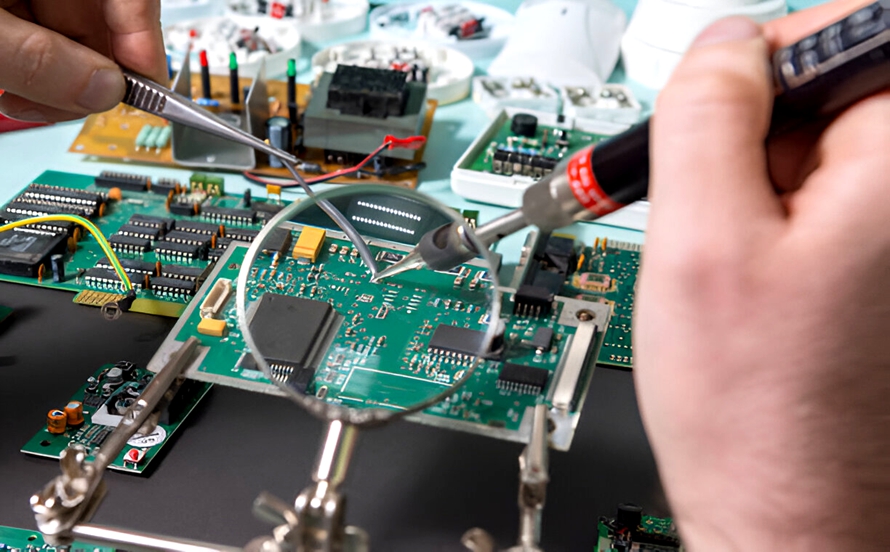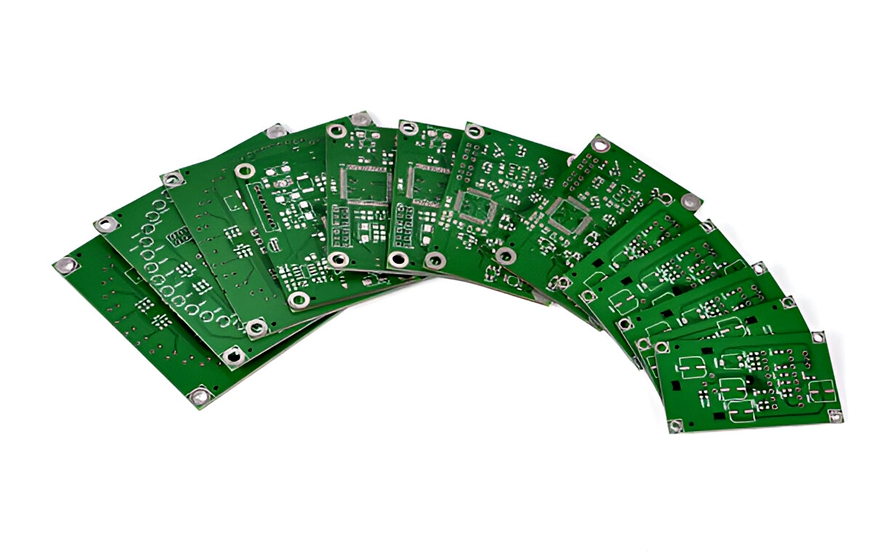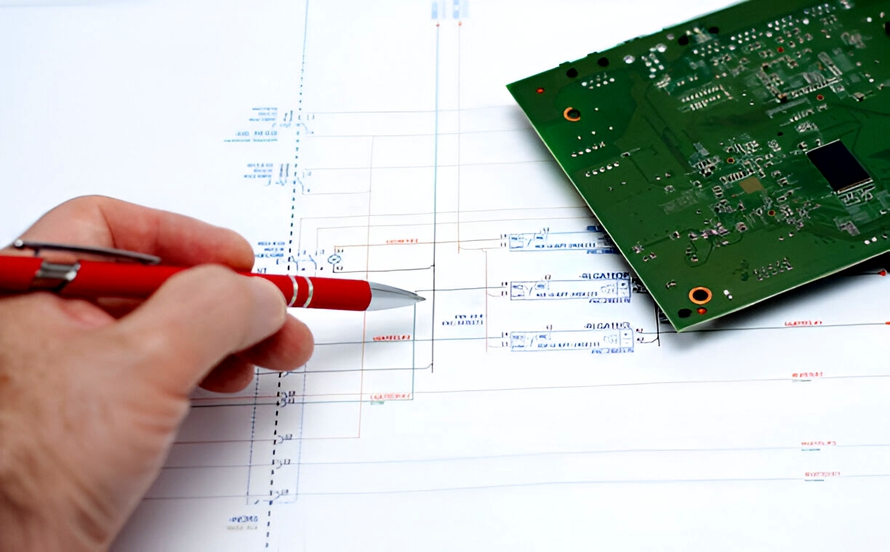
High Tg FR4 PCB Material: Complete Technical Specifications and Selection Guide (2026) High Tg FR4 PCB material is an enhanced glass-reinforced epoxy laminate with a glass transition temperature of 170–180°C, specifically engineered to withstand lead-free assembly processes and high-temperature operating environments. Standard FR4 (Tg 130–140°C) softens during 260°C lead-free reflow,…
FR4 Fiberglass PCB Material: Complete Technical Specifications and Selection Guide (2026) FR4 fiberglass PCB material is a glass-reinforced epoxy laminate that serves as the industry-standard base material for rigid printed circuit boards. It offers an optimal balance of electrical insulation, mechanical strength, thermal stability, and cost-effectiveness for the majority of…
Aluminum vs FR4 PCB Material: Thermal Conductivity, Cost, and Selection Guide Aluminum PCBs deliver thermal conductivity 4–10× higher than FR4 through a metal core that acts as a built-in heatsink, while FR4 remains the industry-standard electrical insulator for multi-layer digital designs. FR4 offers superior electrical insulation, lower cost, and supports…
Aluminum PCB Dielectric Material: Complete Guide to Properties, Selection & Thermal Performance An aluminum PCB dielectric material is the thermally conductive but electrically insulating layer sandwiched between the copper circuit and the aluminum base plate. It enables heat dissipation from power components while preventing electrical shorts. For high-power LED arrays…
PCB Materials and Specifications: The Complete Engineer’s Guide for 2026 Selecting the right PCB materials and specifications is the single most consequential decision in board design — it determines signal integrity, thermal performance, manufacturing yield, and field reliability. This guide covers every major substrate family, IPC specification framework, key electrical…
PCB Substrate Material Selection Guide: FR4, Rogers, Polyimide, and PTFE Compared Choose the right PCB substrate material by matching three constraints simultaneously: thermal operating range, signal frequency, and unit cost target. For most designs running below 1 GHz with peak board temperature under 130°C, standard FR-4 is sufficient. Upgrade to…
Best Material for PCB Manufacturing: FR4, Rogers, PTFE, and High-Tg Laminate Comparison The best material for PCB manufacturing depends on your operating frequency, thermal environment, mechanical requirements, and cost constraints. For most general-purpose applications below 1–2 GHz, standard FR4 is the most cost-effective choice. For high-frequency designs above 3 GHz,…
style=”font-size: 43px;”>Polyimide Flexible PCB Material: Properties, Applications, and Selection Guide Polyimide flexible PCB material is the industry-standard substrate for flexible printed circuits, offering an unmatched combination of thermal endurance, mechanical flexibility, and chemical resistance that no other organic substrate can match. With a continuous operating range from -269°C to +400°C…
2oz–8oz Heavy Copper PCB for High-Current Power Applications Industrial power equipment, renewable energy systems, and advanced power electronics require reliable circuit boards capable of handling high current and continuous electrical loads. Heavy Copper PCB technology provides increased current-carrying capacity, improved heat dissipation, and enhanced mechanical strength, making it suitable…
AI Server High-Layer-Count High-Speed Backplane PCB Manufacturing As AI computing clusters continue to expand, server interconnect architectures are undergoing major changes. High-layer-count, high-speed backplane PCBs have become critical physical platforms for rack-level interconnection. They directly influence data transmission efficiency, signal integrity, system stability, and overall computing performance. For modern…