Medical PCB vs. Standard PCB: 5 Key Differences You Need to Know
Medical electronics require a much higher level of safety, stability, and reliability than many consumer electronics or general industrial control products. Because PCB performance can directly affect the accuracy and reliability of medical equipment, Medical PCB manufacturing must address more demanding requirements throughout design, material selection, production, testing, and quality management.
Compared with standard PCBs, medical-grade circuit boards typically require stronger environmental resistance, carefully selected materials, stricter quality control, higher reliability, and more rigorous compliance management.
Understanding these differences is essential when selecting a PCB manufacturer for medical devices such as patient monitors, infusion pumps, diagnostic equipment, dental equipment, surgical instruments, and other healthcare electronics.
1. Environmental Requirements: Medical PCBs Must Handle More Demanding Conditions
One of the most important differences between medical and standard PCBs is the operating environment.
Medical equipment can be used in a wide range of demanding conditions. Some devices may operate in environments with high humidity, frequent cleaning, or exposure to disinfectants. Dental equipment and surgical instruments, for example, may regularly come into contact with substances such as alcohol-based cleaners or chlorine-containing disinfectants.
As a result, Medical PCB Manufacturing needs to consider moisture resistance, chemical resistance, insulation stability, and mechanical durability.
Moisture and Chemical Resistance
Long-term exposure to moisture can affect insulation performance and accelerate material degradation. Chemical exposure can also damage solder masks, coatings, connectors, and other PCB structures if the materials and manufacturing processes are not properly selected.
For medical applications, PCB materials and protective measures should therefore be selected according to the actual operating and cleaning environment.
Mechanical Strength and Vibration Resistance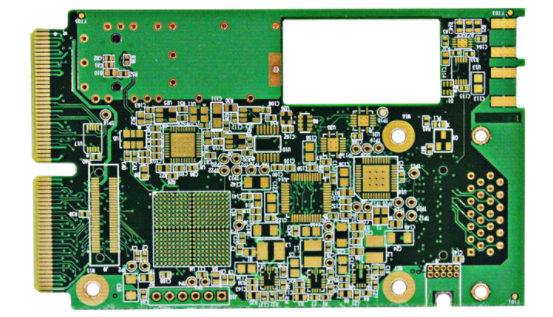
Some medical devices are portable or frequently moved. Portable patient monitors and mobile diagnostic equipment may experience vibration, impact, or repeated mechanical stress.
The PCB must therefore have sufficient mechanical strength to reduce the risk of:
- Board cracking
- Solder-joint fatigue
- Component detachment
- Interconnect failure
- Connector-related problems
By comparison, many standard PCBs operate in relatively stable environments such as desktop computers, consumer appliances, and stationary electronic equipment. Their environmental requirements may be less demanding depending on the application.
For projects requiring strict control over materials, fabrication processes, and reliability, GOPCBA PCB Manufacturing Services can provide a foundation for selecting appropriate PCB materials and manufacturing processes.
2. Material Selection: Medical PCBs Prioritize Safety and Long-Term Stability
PCB materials have a direct influence on electrical performance, mechanical stability, thermal behavior, and service life.
For medical applications, material selection generally places greater emphasis on safety, stability, durability, and compliance with the requirements of the finished medical device.
Material Safety
The substrate, solder mask, inks, coatings, and other materials used in a medical PCB assembly should be selected according to the device’s regulatory and environmental requirements.
For equipment that operates close to patients or medical personnel, material selection becomes particularly important. The manufacturing process should minimize risks associated with inappropriate materials, contamination, or long-term material degradation.
Long-Term Performance
Medical equipment may be designed for long service periods. Therefore, the PCB should maintain stable electrical and mechanical performance throughout its expected operating life.
Important considerations can include:
- Insulation reliability
- Copper oxidation resistance
- Thermal stability
- Dimensional stability
- Dielectric performance
- Solder-joint reliability
- Resistance to environmental aging
Standard PCBs often place greater emphasis on balancing performance and manufacturing cost, depending on the end application. Medical electronics, however, generally require a more application-specific approach to material selection.
3. Quality Standards: Medical PCB Manufacturing Requires Stricter Process Control
Quality control is another major difference between medical and standard PCB production.
A failure in a medical electronic system can have much more serious consequences than a failure in an ordinary consumer device. Therefore, medical PCB projects require a stronger focus on process consistency, traceability, inspection, and reliability verification.
Incoming Material Inspection
Raw materials and electronic components should be carefully controlled before entering production.
Depending on the project, manufacturers may need to verify:
- Material specifications
- Certificates and compliance documentation
- Component authenticity
- Supplier information
- Lot or batch information
- Electrical and mechanical characteristics
Process Control
Key PCB fabrication processes such as drilling, plating, lamination, imaging, etching, and surface finishing need to be controlled within the applicable process specifications.
For complex medical PCBs, process parameters should be monitored carefully to minimize risks such as:
- Via dimensional variation
- Plating defects
- Layer-to-layer registration problems
- Delamination
- Insulation failures
- Surface-finish defects
Effective PCB Quality Control should cover the entire manufacturing process rather than focusing only on final inspection.
Finished PCB Testing
Depending on the product requirements, medical PCB projects may involve electrical testing, visual inspection, AOI, X-ray inspection, environmental testing, or other verification procedures.
The specific inspection and testing plan should be determined by the PCB design, application, applicable standards, and customer requirements.
GOPCBA also provides Turnkey PCB Assembly Services, integrating PCB fabrication, component sourcing, assembly, inspection, and testing into a streamlined manufacturing workflow.
4. Reliability: Medical PCBs Need Greater Risk Resistance
Medical equipment often needs to operate reliably when it matters most. Patient monitoring, diagnostic, emergency, and surgical equipment may depend on stable electronic performance.
This makes PCB Reliability a critical consideration throughout PCB design and manufacturing.
Reliability-Oriented Manufacturing
Medical PCB projects may incorporate design and manufacturing strategies intended to reduce the consequences of individual failures.
Depending on the application, these can include:
- Improved plating and interconnection structures
- Reinforced solder-joint reliability
- Appropriate copper thickness
- Optimized power distribution
- Redundant or duplicated critical signal paths
- Improved electromagnetic compatibility
- Enhanced thermal management
For high-current sections, appropriate copper thickness and conductor geometry can help support stable current transmission. For sensitive signal circuits, layout, grounding, shielding, and impedance considerations can contribute to improved electromagnetic performance.
However, PCB manufacturing alone cannot guarantee system-level fault tolerance. Reliability requirements should be established together with the complete medical device design and risk-management strategy.
Thermal and Environmental Reliability
Medical electronics may need to operate across different temperature and humidity conditions. Some equipment may also undergo special cleaning, sterilization, transportation, or storage procedures.
The PCB design and manufacturing process should therefore be evaluated against the actual environmental profile of the finished product.
For projects requiring prototype validation before volume production, GOPCBA Prototype PCB Assembly Services can help manufacturers evaluate PCB design, component selection, assembly processes, and functional performance before moving into larger-scale production.
5. Compliance: Medical Electronics Face More Stringent Regulatory Requirements
Regulatory compliance is another major distinction between medical and general-purpose electronics.
Unlike many standard electronic products, medical devices are subject to specific regulatory and safety requirements in different markets. The exact requirements depend on the product type, intended use, market, classification, and applicable regulations.
Documentation and Traceability
Medical PCB production may require detailed documentation covering:
- Material specifications
- Manufacturing processes
- Inspection records
- Testing results
- Component information
- Production batches
- Process traceability
- Quality management procedures
This documentation can become an important part of the overall medical-device compliance process.
Quality Management Systems
Manufacturers serving medical-device customers may also need appropriate quality management systems and certifications. ISO 13485 is widely associated with quality management for medical devices and may be an important consideration when evaluating a PCB manufacturing partner for medical applications.
However, PCB certification alone does not replace the regulatory approval or compliance requirements applicable to the finished medical device. The PCB manufacturer and medical-device manufacturer should determine the applicable requirements together.
Medical PCB vs. Standard PCB: A Quick Comparison
| Requirement | Medical PCB | Standard PCB |
|---|---|---|
| Operating environment | Often demanding and application-specific | Usually standard operating conditions |
| Material selection | Strong focus on safety, stability, and long-term reliability | Performance and cost balance |
| Quality control | More rigorous process control and traceability | Based on application and industry requirements |
| Reliability | High emphasis on long-term and risk-sensitive performance | Based on product requirements |
| Testing | May require more comprehensive validation | Typically based on standard product requirements |
| Compliance | Subject to medical-device-related requirements | Generally follows applicable general electronics standards |
How to Choose a Medical PCB Manufacturing Partner
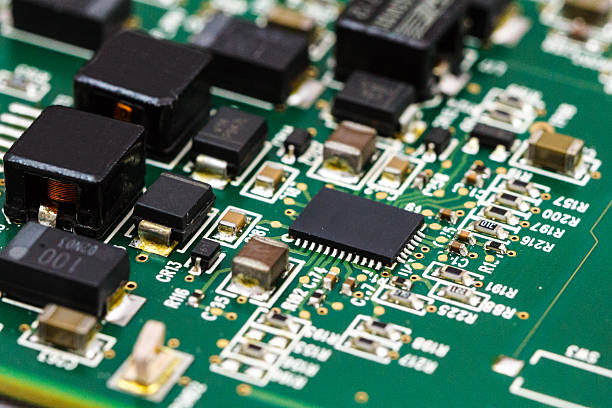
Selecting the right supplier is especially important for medical electronics because PCB quality is closely connected to the reliability of the final product.
When evaluating a manufacturing partner, consider the following factors:
Manufacturing Capabilities
Check whether the manufacturer can support the required PCB structure, layer count, materials, surface finish, tolerances, and other technical specifications.
Quality Management
Evaluate the manufacturer’s quality management system, incoming inspection, process monitoring, final testing, and traceability capabilities.
Component Sourcing
For PCBA projects, component authenticity and supply-chain control are also important. GOPCBA Components Procurement Services can help support controlled component sourcing as part of a broader PCB assembly project.
Prototype-to-Production Capability
A medical electronics project may require multiple prototype revisions before entering volume production. A supplier capable of supporting both prototype and production stages can help maintain process consistency during the transition.
For larger production requirements, GOPCBA High-Volume PCB Assembly Services can support the transition from validated prototypes to higher-volume manufacturing.
Conclusion
The fundamental difference between a medical PCB and a standard PCB is not simply the circuit board itself, but the level of performance, reliability, process control, and compliance required by the application.
The five major differences can be summarized as:
- Environmental requirements — Medical PCBs may need to withstand humidity, chemicals, vibration, cleaning, and other demanding conditions.
- Material selection — Medical applications place greater emphasis on material safety, stability, and long-term performance.
- Quality control — Medical PCB projects require stronger process control, inspection, documentation, and traceability.
- Reliability — Medical electronics require a higher level of reliability because PCB failures can affect critical equipment functions.
- Compliance — Medical devices are subject to specific regulatory and quality-management requirements that vary by market and application.
For medical electronics manufacturers, choosing an experienced PCB and PCBA partner early in the development process can help reduce manufacturing risks, improve production consistency, and support the transition from prototype validation to reliable production.