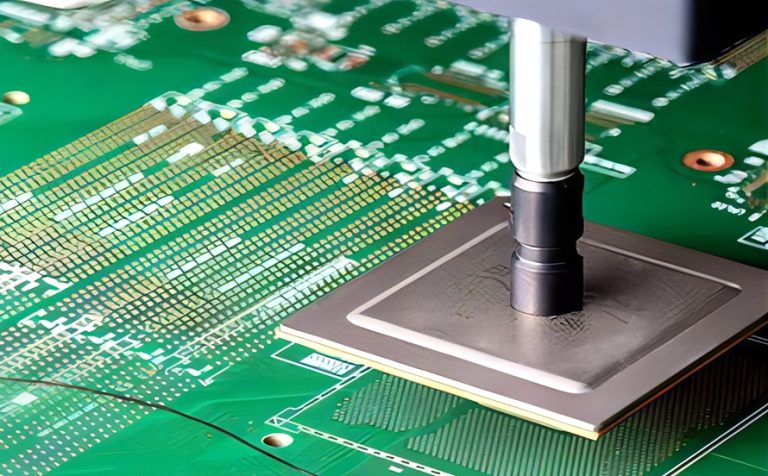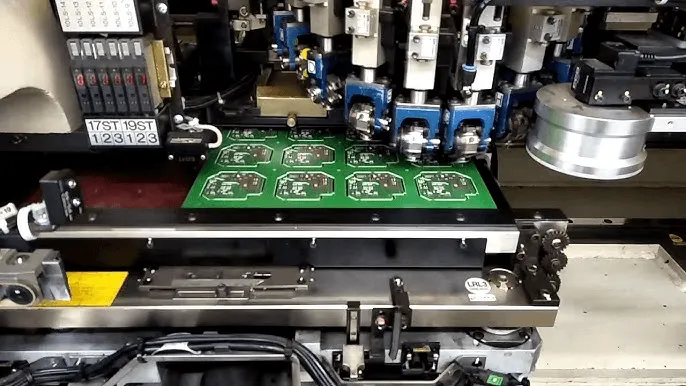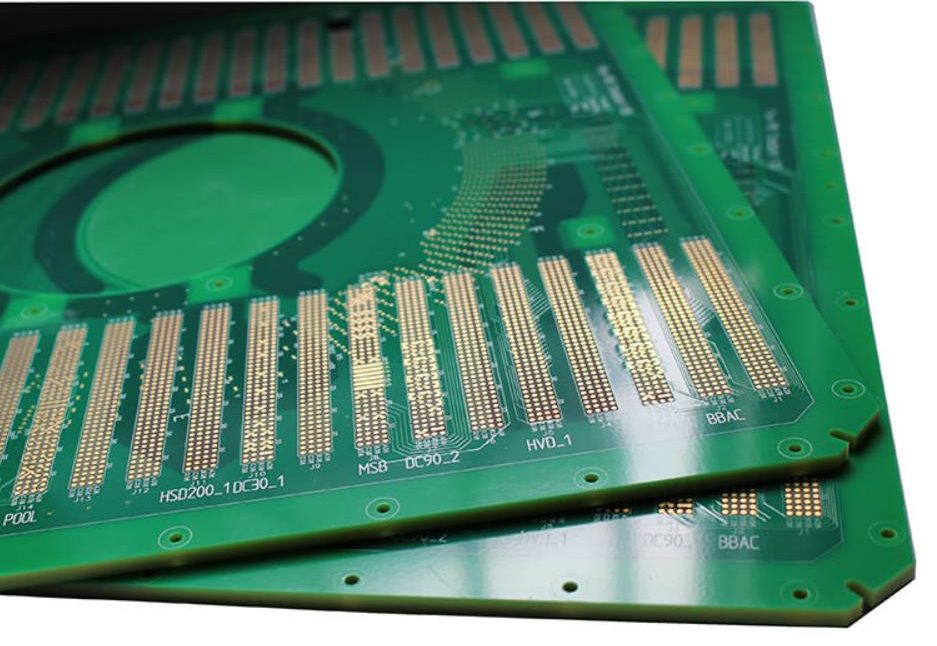
2026 Hybrid Multilayer PCB Cost Guide – Latest Pricing & Key Factors With the rapid growth of AI servers, 800G/1.6T switches, 5G base stations, automotive millimeter-wave radar, satellite communications, and high-speed data centers, hybrid multilayer PCBs have become the mainstream solution for high-frequency, high-speed electronic designs. Compared to traditional FR4…
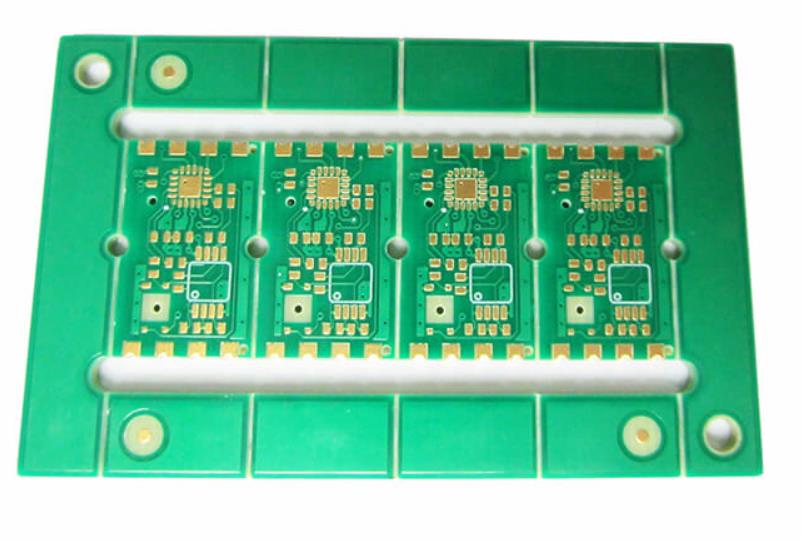
Castellation PCB Cost Analysis 2026 – How Materials, Layer Count & Process Affect Pricing With the rapid growth of IoT, wireless communication modules, smart home devices, medical electronics, and industrial control equipment, castellation PCBs (also known as stamp-hole or half-hole PCBs) have become a critical enabler for modular electronic products.…
FR4 vs Rogers PCB for RF Modules – Which Material Is Better for Your RF Product? With the rapid development of wireless technologies such as 5G, Wi-Fi 6/7, Bluetooth, LoRa, Zigbee, GPS, automotive millimeter-wave radar, and satellite communications, RF modules demand increasingly stringent PCB materials. For RF module design, the…
High Temperature PCB Manufacturing Process: Complete Guide from Material Selection to Final Testing With the rapid development of new energy vehicles, aerospace, industrial automation, petroleum exploration, military equipment, and high-power power supplies, electronic devices are increasingly required to operate stably for extended periods in high-temperature environments ranging from 150°C to…
High-Speed PCB and Six-Layer PCB Stack-Up Design: A Practical Review A well-designed Six-Layer PCB can provide an effective balance between routing density, power distribution, electromagnetic compatibility, and high-speed signal performance. However, simply increasing the number of copper layers does not automatically improve circuit performance. The layer arrangement, reference planes, dielectric…
PCB Impedance Routing: Differential Pair Design Guide Modern electronic devices such as smartphones, computers, high-definition displays, and communication equipment rely on high-speed PCB designs to transmit digital signals reliably. As data rates increase, signal integrity becomes increasingly important, making multilayer PCB impedance control a critical part of PCB design and…
Multilayer PCB Via Spacing: What Matters on the Production Line When designing a multilayer PCB, engineers often focus on routing efficiency, signal integrity, layer stack-up, and power distribution. However, via placement and spacing are equally important, especially as routing density increases. The same discipline applies to Multilayer PCB, where a…
What Is a Pseudo 8-Layer PCB? When discussing PCB layer counts, the number of layers usually refers to the number of conductive circuit layers. However, the number of core materials used in a PCB stackup does not always correspond directly to the number of circuit layers. For example, a conventional…
Single-Sided vs Double-Sided vs Multilayer FPC: A Factory-Floor Review FPC, short for Flexible Printed Circuit, is also commonly called a flexible PCB or flex circuit. The defining characteristic of an FPC is its flexibility. Compared with conventional rigid PCBs, flexible circuits are thinner, lighter, bendable, and capable of adapting to…
PCB Panelization: 10 Key Design Considerations When completing a PCB design, some boards need to be arranged into a larger manufacturing panel before production. This process is known as PCB panelization. But when is panelization necessary, and what should engineers consider when designing a panel? Proper PCB panelization design can…