Wave Solder Pallet Design For Mixed Assemblies A wave solder pallet is a carrier that holds a board through the wave soldering machine and shields the parts of it that must not be exposed to solder. It is the standard way of mixing surface mount and through hole technology on…
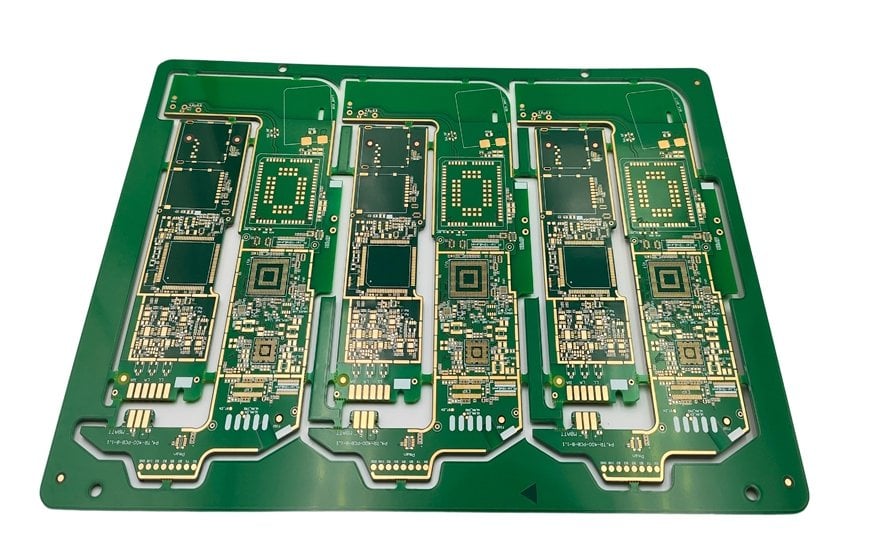
Warpage Control in Lamination Warpage is a permanent deformation of the board that appears after lamination, after the surface finish or after a reflow pass. It matters because a warped board does not sit flat on a printer, does not sit flat in a reflow oven and does not fit…
Solder Wick Desoldering Technique For PCB Rework Solder wick is a braid of fine copper strands that is used to remove molten solder from a joint. The braid is placed over the solder, heated from above with a soldering iron, and the molten alloy is drawn into the braid by…
Board Thickness Tolerance and Control The board thickness on a drawing is a finished dimension with a tolerance, and it is the sum of several contributions that are controlled by different processes. The laminate thickness, the copper weight, the plating and the finish all add to the total, and each…
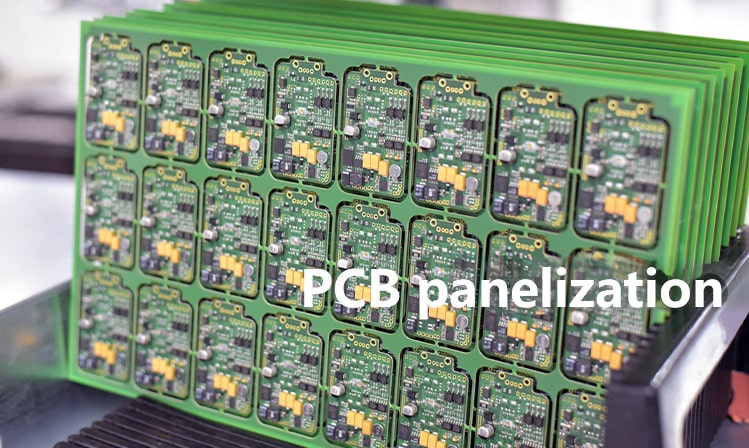
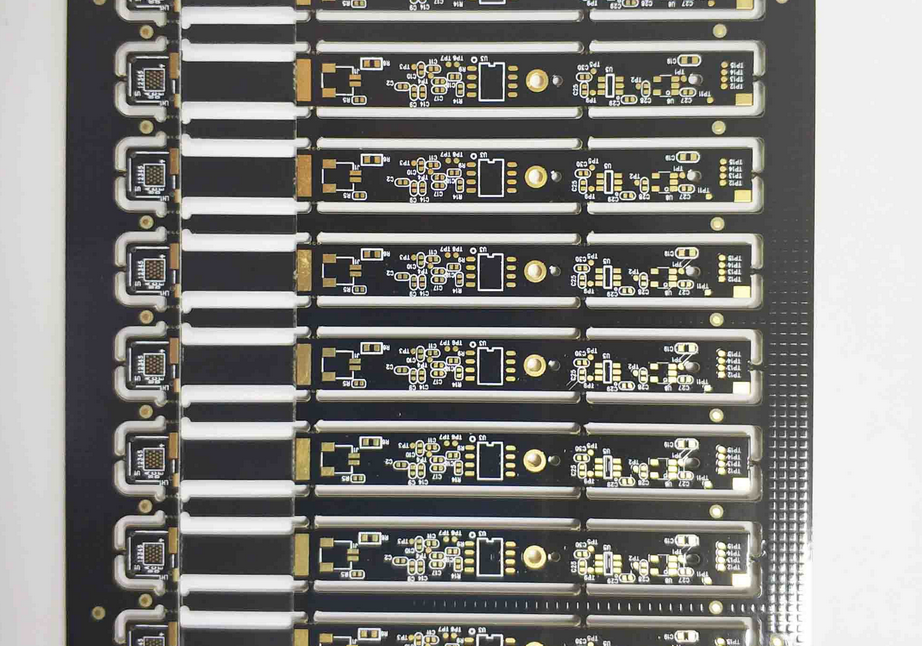
Depaneling Methods Compared Depaneling is the step that separates the finished boards from the panel, and the depaneling methods in common use differ mainly in where they put the stress. Every method applies some force or some heat to the board, and the difference between them is where that energy…
Creepage And Clearance: Design Rules and Process Limits Creepage and clearance are the two distances that separate conductors held at different potentials. Clearance is the shortest distance through air, and creepage is the shortest distance along the surface of the insulation. Both have to be large enough that the voltage…
Router Bit Selection for Depaneling Routing separates boards from a panel with a rotating bit that follows the outline. It is the most flexible depaneling method, since it can follow any shape and it leaves an edge with no taper, and its quality and its cost both depend on the…
Component Spacing Rules For SMT Layout A component spacing rule defines how close two parts may be placed to each other and to other features on the board. It is written for the process rather than for the circuit, and it exists because assembly equipment, rework tools, heat and inspection…
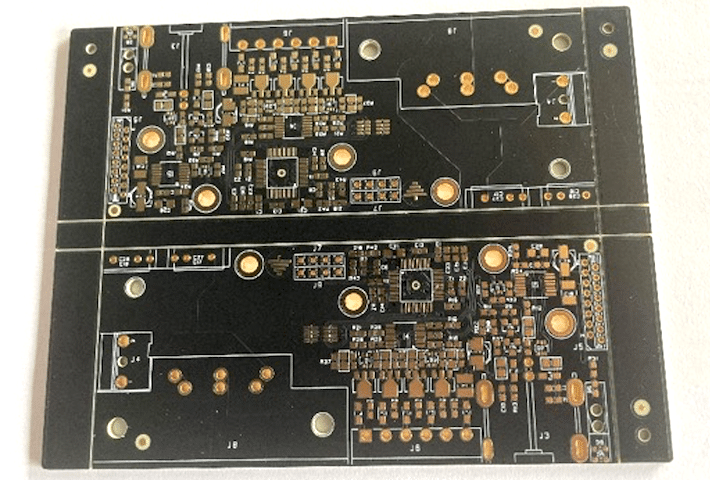
V Cut Scoring Guide for PCB Panels V cut scoring cuts a groove along both faces of a panel so that the boards can be snapped apart later. It is fast, it leaves a clean straight edge and it costs less than routing, and it works only where the boards…
Bare Board Test Strategy for Electrical Continuity Checks A bare board test is an electrical check carried out on the board before any components are fitted, and it exists to catch the faults that no amount of visual inspection can find. The board is finished at that point, with all…