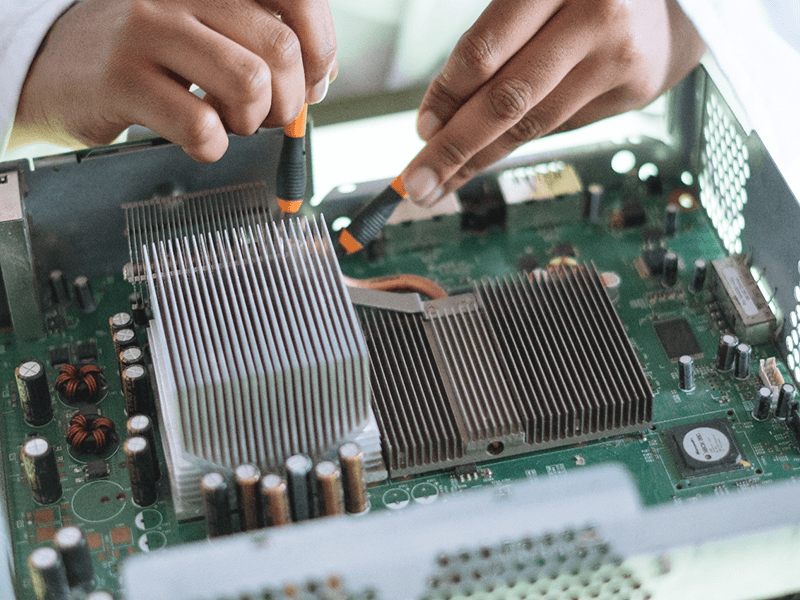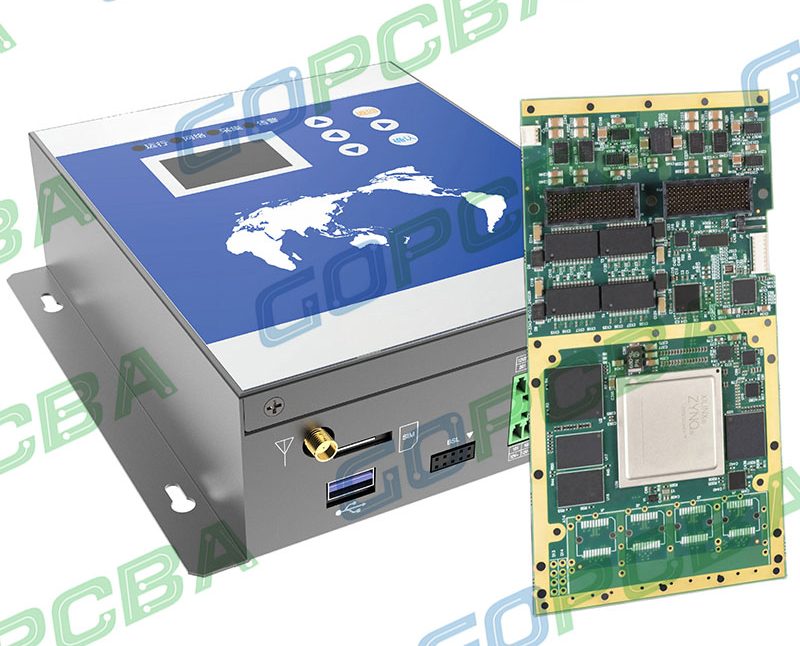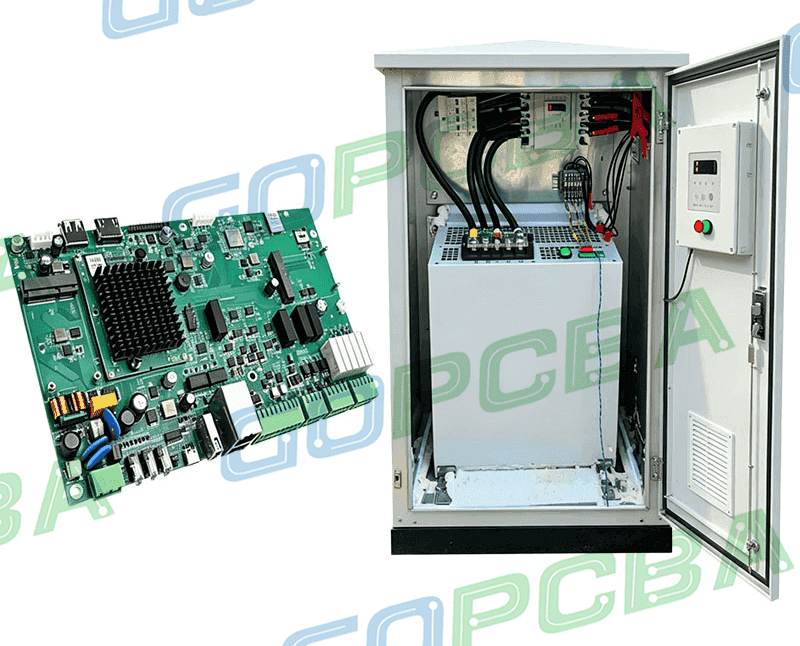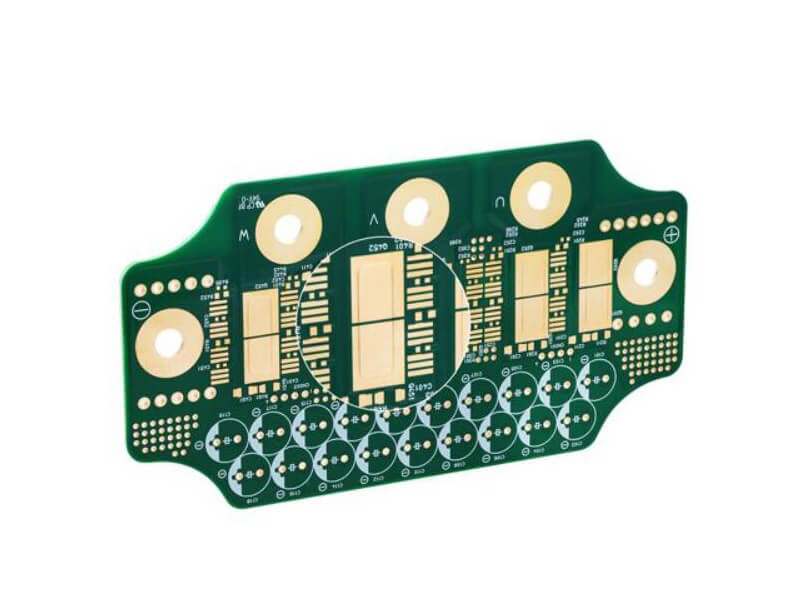
Placement Accuracy: Feeder Setup and Fine Pitch Assembly Placement accuracy is usually discussed as a machine specification, quoted in micrometres and compared between vendors. On the line it is a system property, and the machine is only one of its parts. The feeder, the nozzle, the board support and the…
Parallel Seam Welding Quality for Sealed Packages A sealed electronic package has to stay sealed. Where the lid is metal and the body is metal, the joint is made by welding, and the process used for most high reliability packages is parallel seam welding. Two electrodes roll along opposite edges…
LED Backlight Driver Layout Design An LED backlight looks like a simple string of diodes and a resistor, but a display that has to dim smoothly, hold its brightness across temperature and stay quiet in an EMC test needs a proper driver. The circuit is a switching converter, and the…
X-ray Inspection for PCB Assembly: What It Finds Optical inspection sees the surface of a solder joint. X-ray inspection sees through it, which is the only way to judge a connection under a BGA or ball grid array, a land grid array or a package with a thermal pad. It…
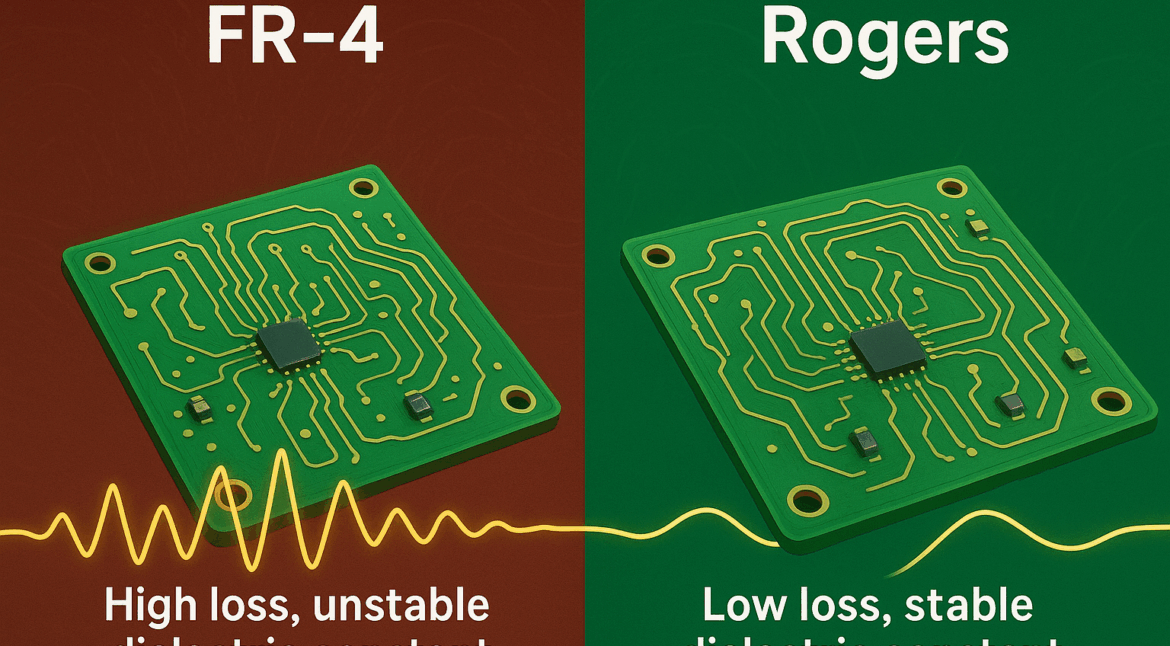
High Speed PCB Versus Ordinary PCB: Where The Difference Shows The difference between a high speed board and an ordinary one is not a single feature but a set of decisions that ripple through the design, the material selection and the manufacturing process. An ordinary PCB is designed to make…
Display Interface PCB Routing Guide A display interface is the place where high speed digital design meets a mechanical assembly that the designer does not control. The panel has its own timing, its own connector and its own tolerance for signal quality, and the board has to deliver a defined…
Bringing Up A Signal Conditioner Evaluation Board An evaluation board exists to answer a question that a datasheet cannot: how does this device behave when it is placed in a real channel? For a signal conditioner, whether that is a redriver, a retimer or a buffer, the answer depends on…
Wave Soldering: Process Control for Through-Hole Assemblies Wave soldering remains the fastest way to attach a large number of through-hole parts, and it remains a process that punishes a board designed without it in mind. The defects it produces are predictable, and almost all of them trace back to a…
Blind via and Buried via Production: Process Limits A blind via reaches only some of the layers, and a buried via connects inner layers without reaching either surface. Both exist to free routing space, and both change the way a board is built: the layers are laminated in stages, the…
Mounting a Shielding Can on a Dense Mixed Signal PCB A shielding can is a small metal box soldered or clipped over a sensitive circuit, and it looks simple until the details are examined. The lid, the walls, the fence, the attachment method and the holes above the components all…