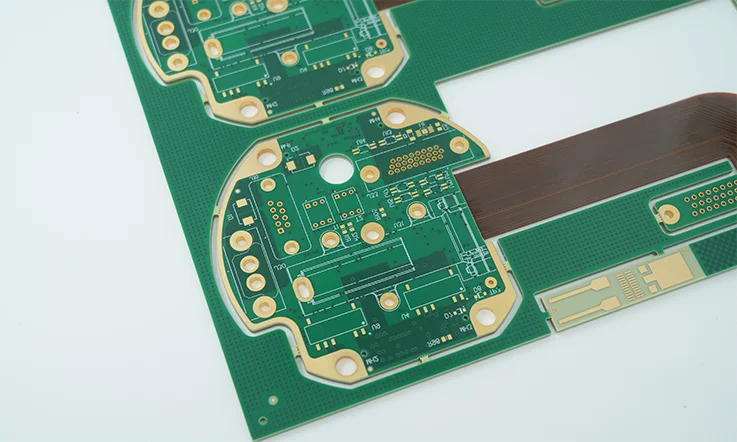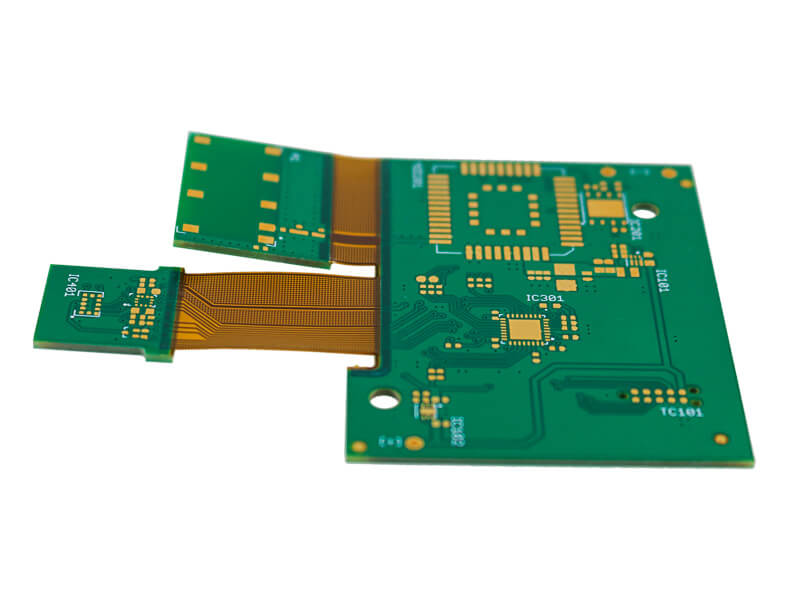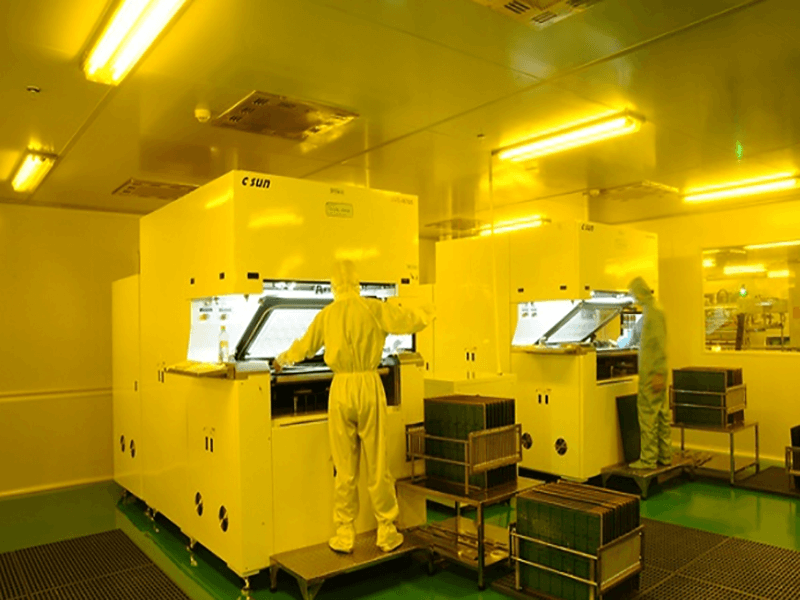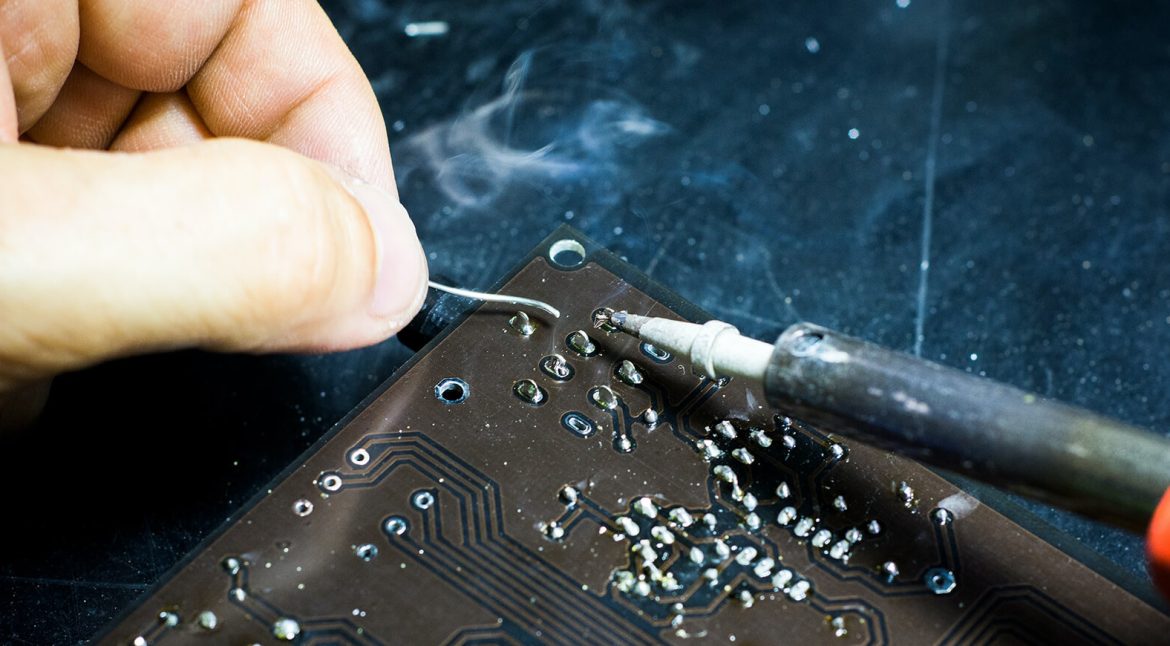
SMT Production Line: How PCB Design Shapes the Process An SMT production line is a sequence of machines, and every machine imposes requirements on the board that passes through it. The stencil needs a pad geometry it can print through, the placement machine needs components it can pick and place,…
Implantable Device PCB: Materials, Sealing and Reliability An implantable device is the most demanding application a circuit board can have. It cannot be repaired, replaced or reset by the user, it operates in a warm saline environment for years, and the consequence of a failure is measured in human terms…
High Speed PCB Design for DSP Systems: Noise Control A DSP runs at high clock rates with fast edges, and a fast edge is what makes a board behave like a transmission line rather than a set of connections. The interference problems that appear in a working system come mostly…
IC Substrate PCB: Build-up Layers and Fine Line Technology An IC substrate sits between a bare die and the board it is mounted on, and it is closer to a semiconductor product than to a printed circuit. Its conductors are measured in single-digit micrometres, its vias are formed by laser,…
Fabrication Data Pitfalls That Delay a Prototype Fabrication data problems are rarely caused by a design being wrong. They are caused by the data being ambiguous, and the cost appears as a query from the fabricator, a delay in the schedule or a panel that has to be reworked. Most…
Power Supply Design on a PCB: Requirements and Layout Priorities Power supply design on a PCB is judged by two things that the schematic cannot express: whether the switching current stays inside the loop that was planned for it, and whether the copper that carries it is wide enough to…
Capacitor Behaviour and What It Means on a PCB A capacitor is the simplest component in the circuit and the one whose behaviour is most often taken for granted. It stores charge, it resists a change in voltage, and it passes a changing signal while blocking a steady one. Every…
PCB Design Process: From Netlist to Fabrication Data A board that is easy to build, easy to test and easy to service is almost always the result of a disciplined PCB design process rather than a clever one. The process produces two things: a layout that satisfies the electrical intent,…
PCB Hardware Design Flow: From Requirements to Release Most hardware projects that run late were not derailed by a difficult circuit. They were derailed by a step that was skipped, compressed or done out of order, and the cost of that omission appeared only at the prototype stage. A defined…
High Speed PCB Layout: Floorplanning and Routing Order High speed design is often discussed as a list of routing rules, but most of the difficulty appears earlier, when the floorplan and the routing order are decided. Two boards with the same stackup and the same components can differ by a…