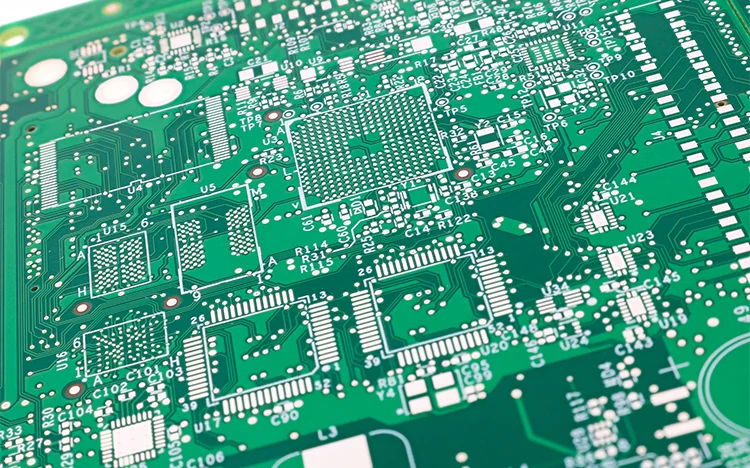
High Frequency PCB Price: What Drives the Cost A high frequency PCB costs more than an ordinary board for reasons that are easy to state and harder to quantify: the laminate is expensive, the geometry has to be controlled tightly, and the test programme is heavier. What buyers usually lack…
Impedance Controlled PCB vs Standard: Cost Comparison Two four layer boards of the same size can differ in price by a factor of three, and the difference is usually impedance control. One board connects components and passes a continuity test; the other has to deliver a defined characteristic impedance at…
FR4 Sheet Material: Grades, Standards and Machining Methods FR4 is familiar as the laminate under every ordinary circuit board, but the same material has a second life as an engineering sheet. Cut, drilled and machined into parts, it becomes stiffeners, insulating spacers, drilling backup boards and test fixtures. Understanding the…
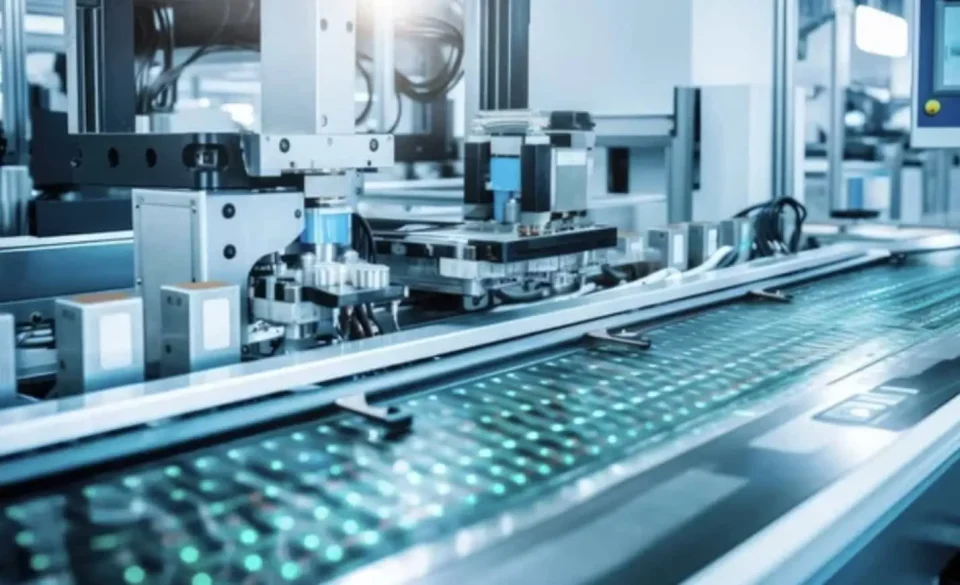
SMT Programming: Offline Preparation and Online Debugging SMT programming looks like data entry, but it is where the assembly process is actually defined. Every decision made here, about which component goes where, how it is oriented and how the machine recognises the board, determines whether the first article passes or…
Blind and Buried Via Production at Volume A conventional multilayer board connects its layers with through holes: a single drill that passes from top to bottom and plates every layer it crosses. This works, but it consumes space on every layer it traverses, and on a dense design that space…
PCB Edge Plating: Design Rules, EMI Shielding and Thickness Edge plating is a feature that most boards never need and a few boards cannot work without. Instead of leaving the side wall of the laminate bare after routing, the fabricator deposits copper on it and connects that copper to the…
SMD Package Classification: From Chip Components to BGA Surface mount technology reshaped electronics by shrinking components to a fraction of their through-hole ancestors, and the packages that resulted are numerous enough to confuse anyone meeting them for the first time. Understanding how they are classified makes datasheets, assembly quotations and…
Military PCB versus Commercial PCB: Design and Reliability Ask whether a board is military or commercial and the answer rarely changes what the board does. It changes what the board is expected to survive. The same microcontroller, the same regulator and often the same laminate appear in both products, but…
Pad Design for Wave Soldering and Reflow A pad is not just a place to put solder. It is the shape that decides how much solder the joint receives, where that solder goes when it melts, and whether the part stays in place while the alloy is liquid. Two pads…
Sputtered versus Printed Conductors on a Ceramic PCB Ceramic substrates solve problems that FR4 cannot: they pull heat out of a device far faster, hold their dimensions at temperatures that would destroy an epoxy laminate, and lose very little energy at microwave frequencies. Once a design has settled on ceramic,…