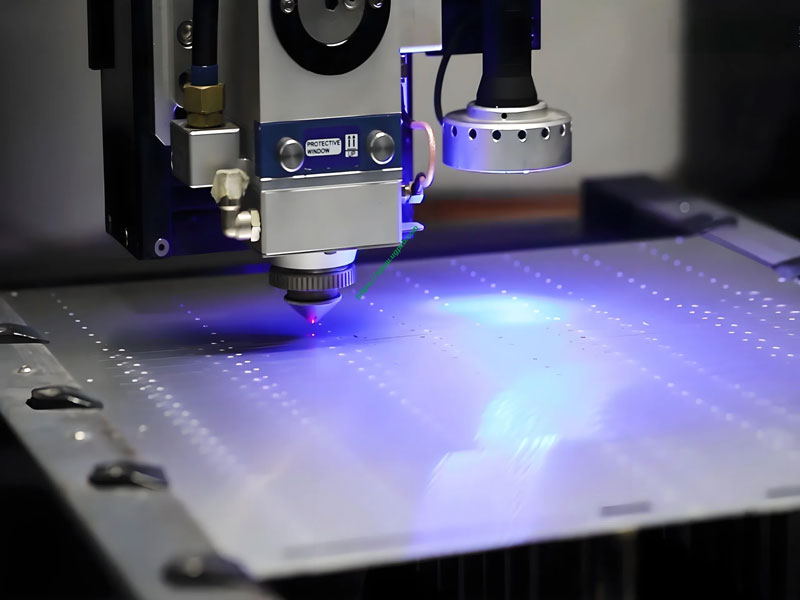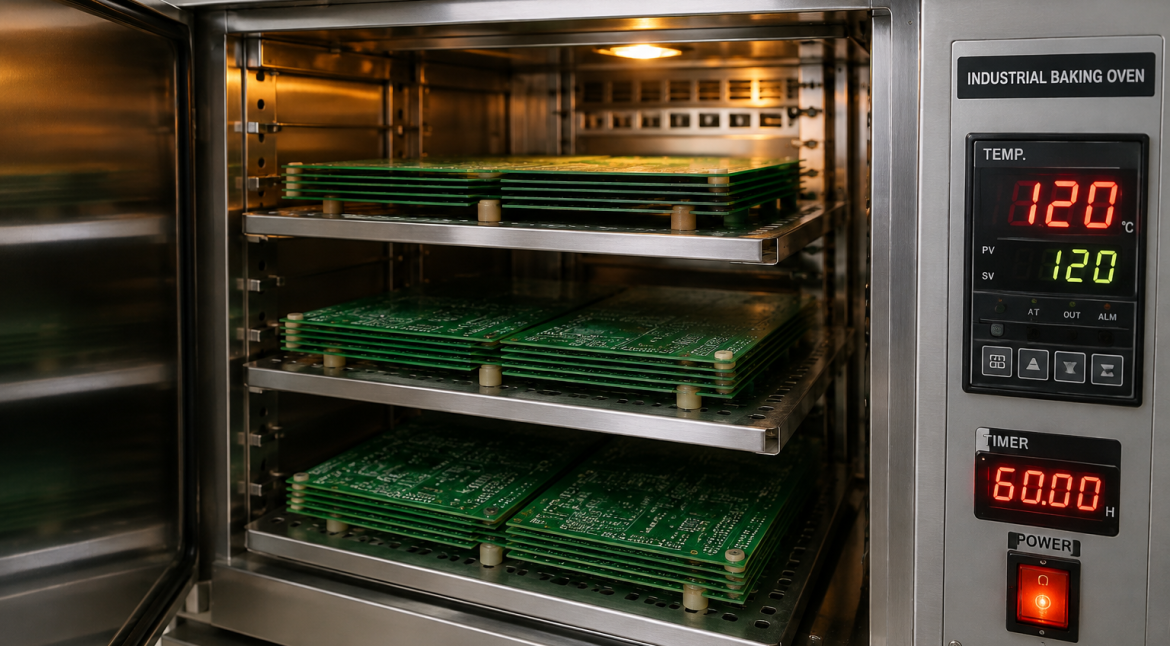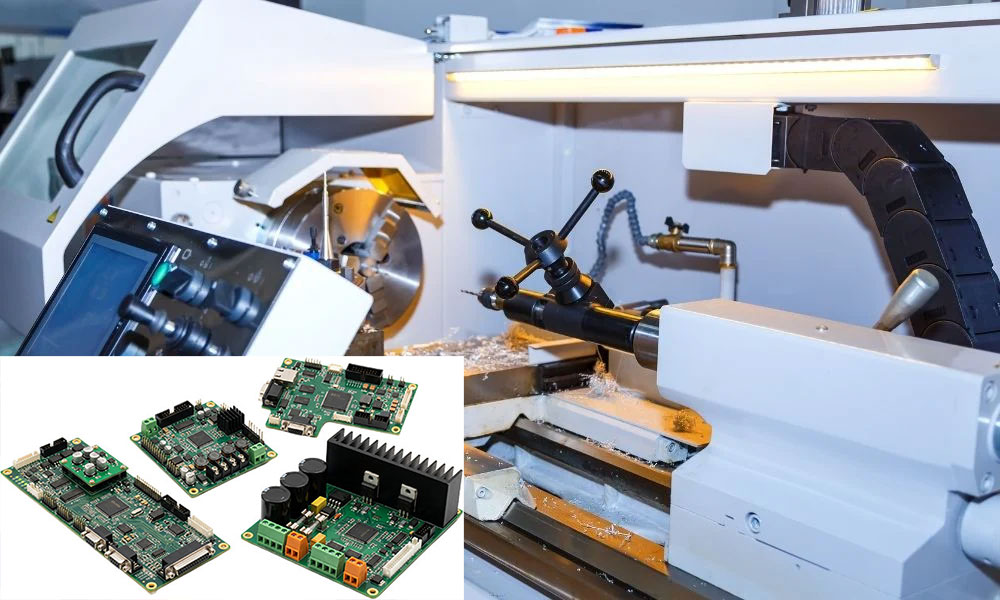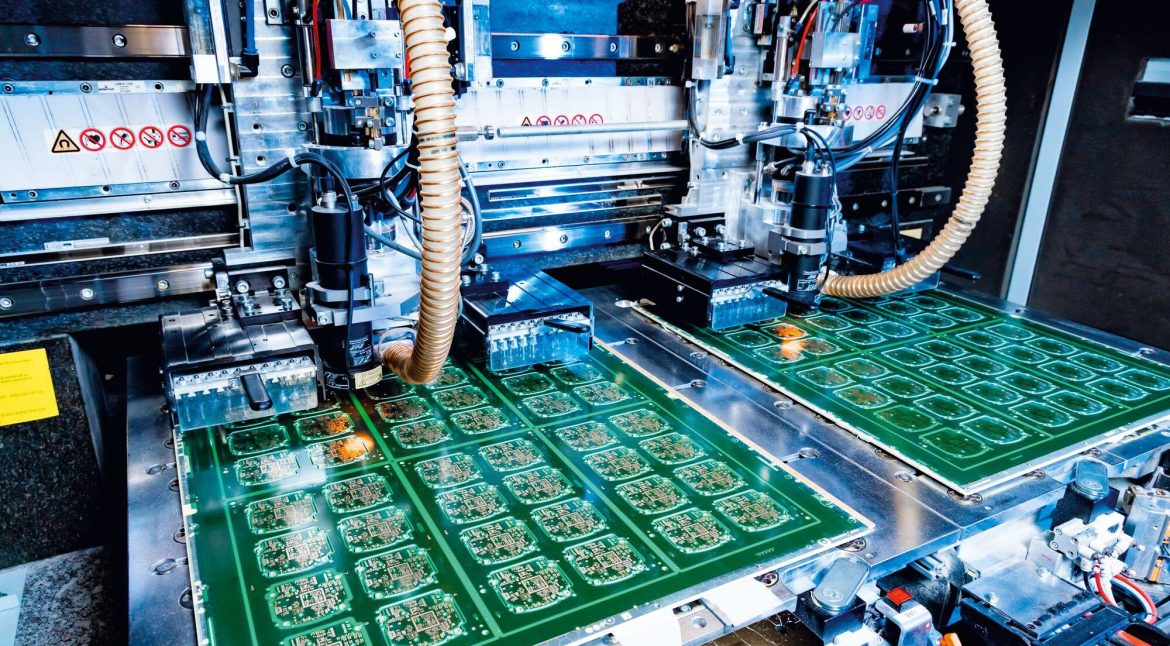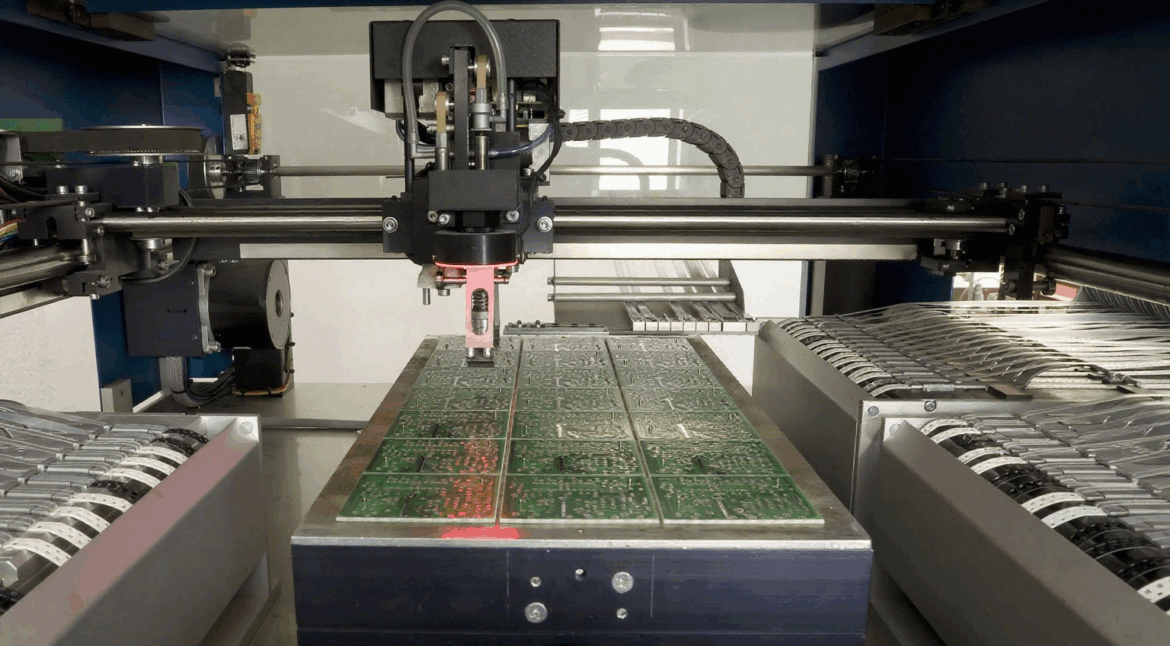
Short Slot Fabrication and Drilling Parameters Not every hole on a board is round. Connectors, switches, mounting hardware and high-current terminals often need an elongated opening, and the usual way to make one is to route it or drill it as a slot rather than drill a larger circle. Slots…
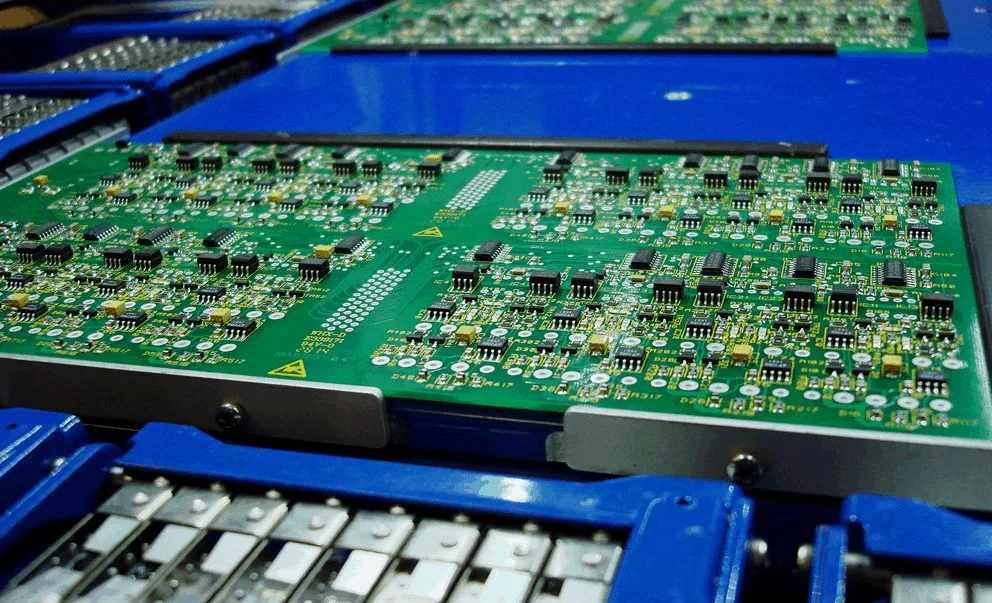
PCB Surface Finish Options Compared Every copper surface that will be soldered needs a finish, and the choice is made on solderability, flatness, shelf life, and cost rather than on electrical performance. The industry has converged on a small set of options, and each one is the right answer for…
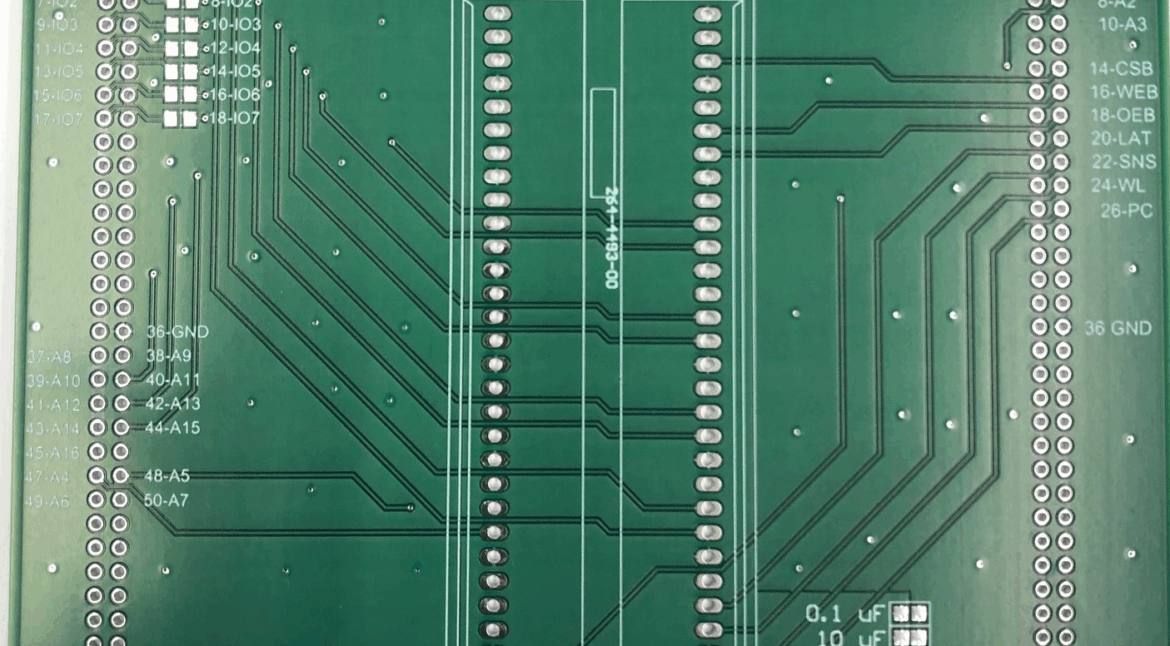
What Copper Traces Do in a PCB: Signal, Power and Ground Everything a board does happens through copper. The traces etched from the copper foil carry signals between devices, distribute power from the regulators, provide the return path for both and, on most modern designs, conduct a meaningful share of…
Immersion Silver and the Galvanic Effect on Copper Immersion silver is a popular final finish: flat, solderable, free of the nickel layer that immersion gold requires, and inexpensive compared with gold. It is also the finish with the most interesting failure mode, because the deposition chemistry can attack the copper…
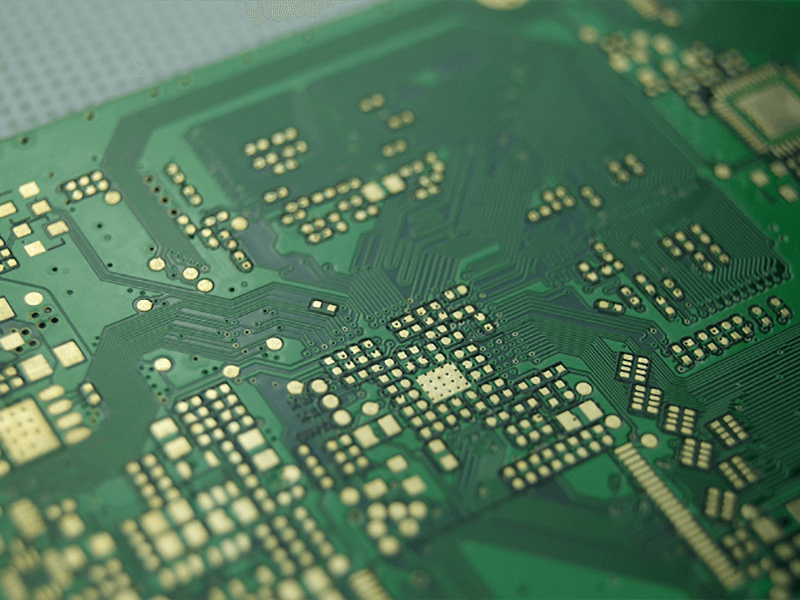
PCB Copper Pour: Grounding, Vias and Thermal Relief A copper pour is the area of metal left on a signal layer after the traces have been routed. It is often added at the end of a layout as a habit, but it is an electrical structure with a defined purpose,…
PCB V-Cut Panelization: Angles, Tolerances and Spacing V-cut is the fastest way to hold several boards in one panel and to separate them afterwards. A pair of blades cuts a V shaped groove along both faces of the panel, leaving a thin web of material in the middle, and the…
Breadboard versus Prototype Board: Choosing a Build Method Every circuit gets built twice: once in a form that is easy to change and once in a form that behaves like the final product. A breadboard and a prototype board sit at those two stages, and treating them as interchangeable is…
PCB Warpage: Causes, Measurement and Control A board that is flat when it leaves the fabricator can still warp by the time it reaches the assembly line, and a board that warps during reflow will place components in the wrong position or fail to sit in the fixture at all.…
Right-Angle Routing in PCB Layout: Impedance and Reflection Avoiding right-angle routing is one of the first rules a new board designer learns, and it is repeated so often that it is rarely examined. The rule is not superstition, but it is also not the catastrophe that some guidelines imply. Understanding…
Industrial Control Board Design: EMC, Protection and Environment An industrial control board is not a consumer board with a wider temperature rating printed on it. The differences run through component choice, layer count, protection circuitry and the supervisory logic that keeps a machine running when something goes wrong. A board…