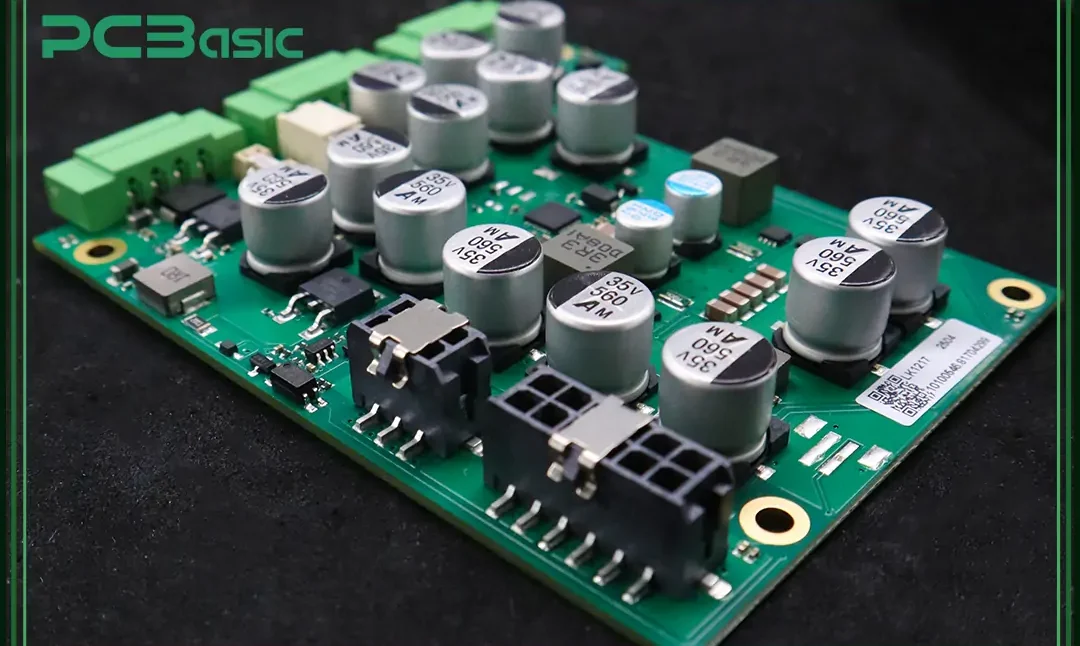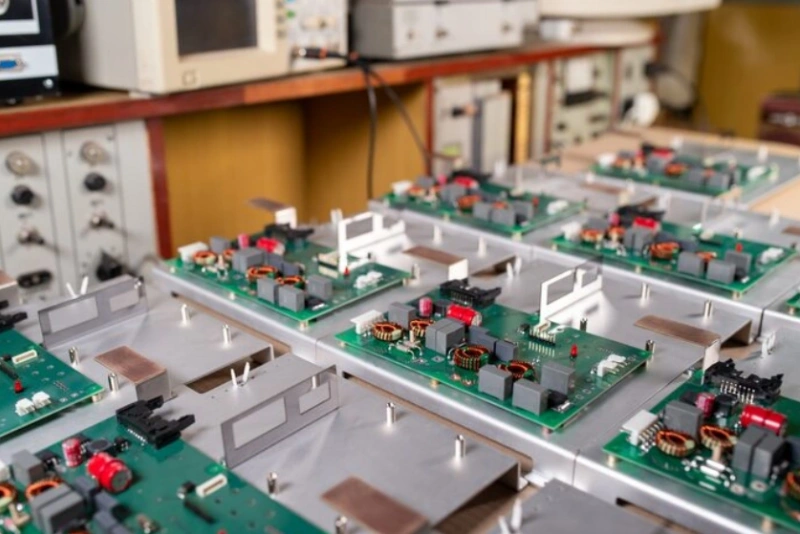
Super Thick PCB: Heavy Copper Design and Fabrication Power electronics eventually reaches a point where the copper itself is the limiting component. A trace that carries tens of amps has to be wide enough that it neither drops excessive voltage nor overheats, and at some current level the answer is…
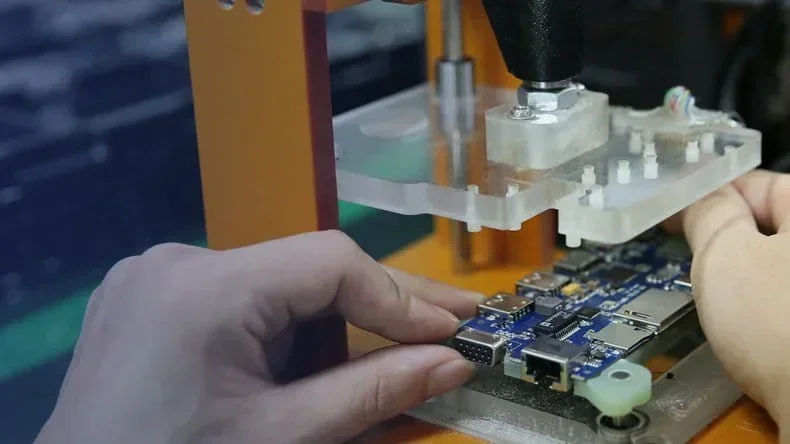
HDI PCB: Structures, Processes and Design Rules for Dense Boards An HDI PCB, or high-density interconnect board, uses microvias and thin build-up layers to increase the number of connections that fit in a given area. The technology exists because component pitch shrank faster than conventional drilling could follow. A ball…
BMS PCB Design: Layout Rules for Battery Management Systems A BMS PCB is the board that measures, protects and balances a battery pack. It combines a high-current path, a precision measurement chain and a control section, and the three have very different layout requirements. Almost every design problem on a…
Wireless Router PCB: A Beginner Guide to Its Design A wireless router looks like a plastic box with a few antennas, but almost everything that determines whether it works well sits on a single board inside that box. A wireless router PCB has to carry a processor running at hundreds…
What Is a BGA? Ball Grid Array Explained for Beginners A ball grid array replaced the fine pitch lead frame for one practical reason: a processor with a thousand connections cannot be soldered reliably around its perimeter, but it can be soldered underneath. The BGA places a grid of small…
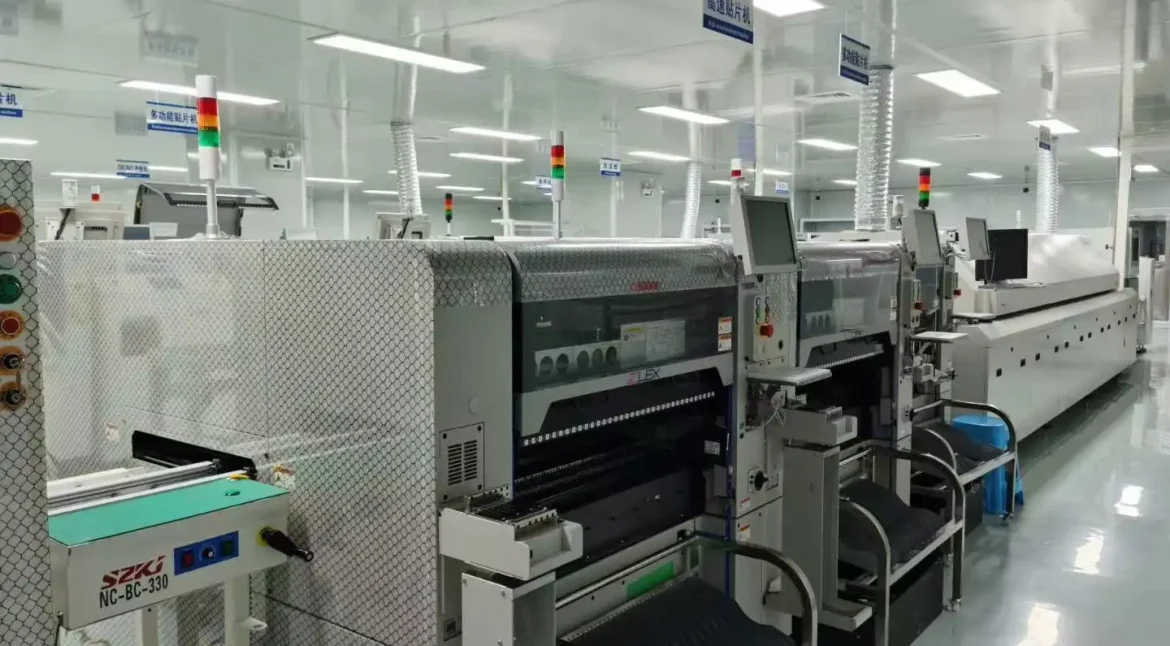
PCB Assembly Capability: What It Means for Your Design Assembly capability is usually quoted as a list of impressive numbers, and it is more useful to read it as a statement of limits. What matters to a designer is not the maximum placement rate but the smallest package the line…
High Tg Rigid PCB: Why Glass Transition Temperature Matters Every laminate has a temperature at which its behaviour changes. Below that point the resin is hard and glassy, holding the reinforcement in place and resisting deformation. Above it the resin softens, and the board begins to move, absorb more moisture…
HDI PCBA Cost: What Makes High-Density Assembly Expensive An HDI assembly carries a price premium over an ordinary surface mount build, and almost none of that premium comes from the components. It comes from the board itself, from the precision the assembly process needs to reach the parts on it,…
Microwave PCB: Materials, Loss and Fabrication Limits Below a few gigahertz, a board behaves in a way that most engineers find intuitive: impedance depends on geometry, loss is modest, and a simulation that matches the measurement to within ten percent is considered good. Above that, the rules change. Conductor roughness,…
Ceramic Substrate PCB: Alumina, AlN and When to Use Them When a circuit has to run hot, small and electrically quiet, the substrate stops being a passive carrier and becomes part of the thermal solution. Ceramic boards exist for exactly that reason: they conduct heat far better than any organic…