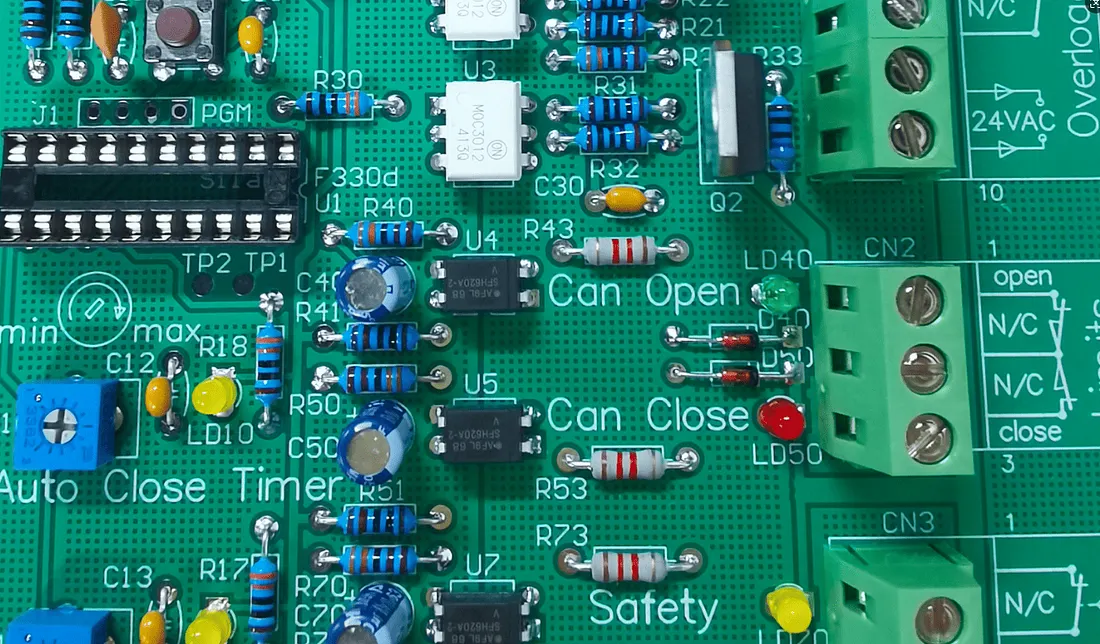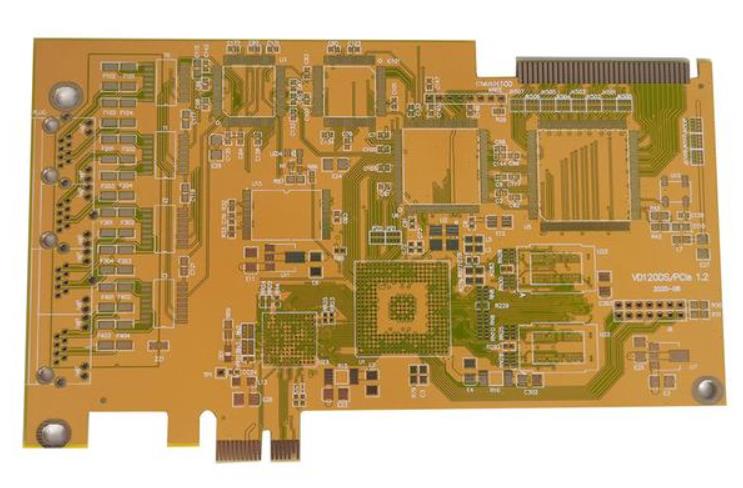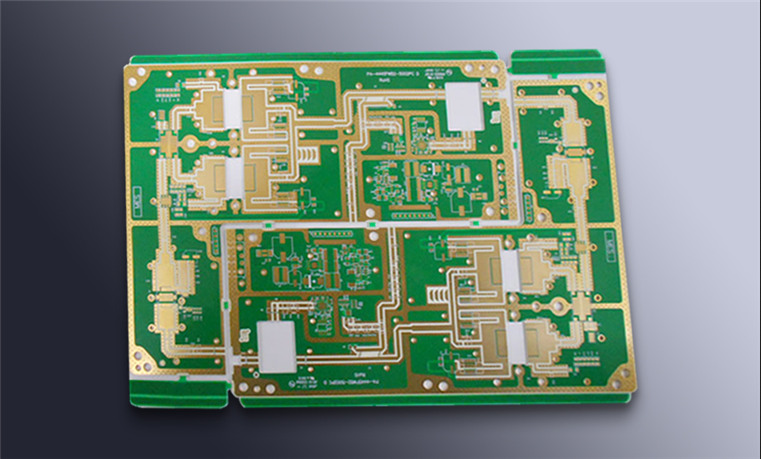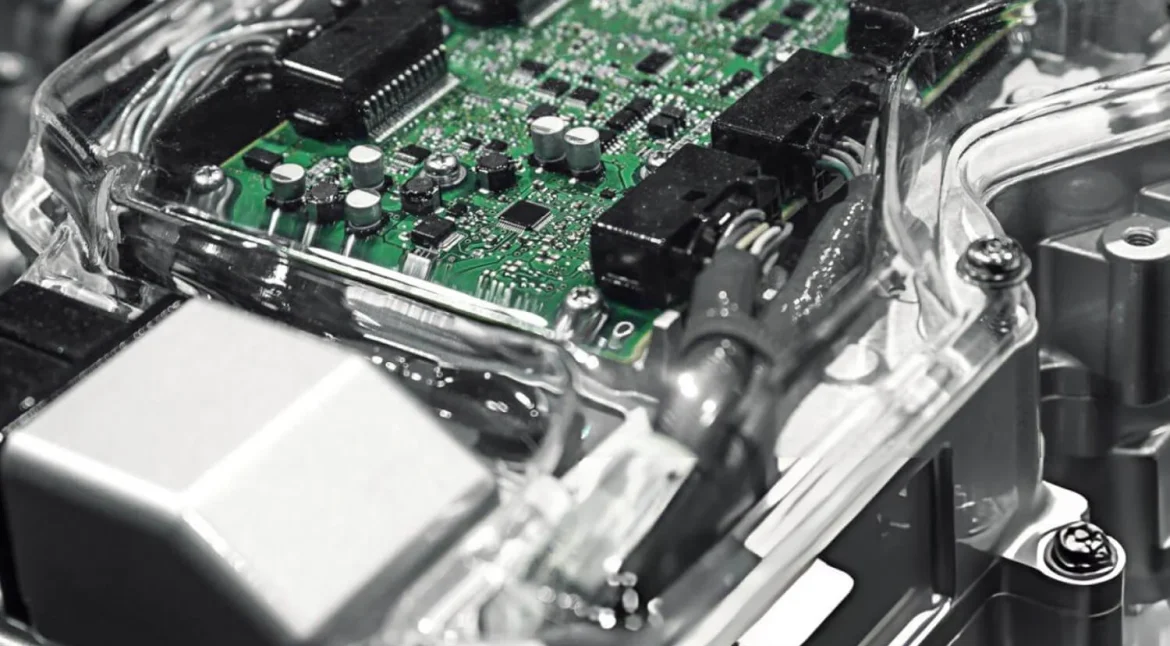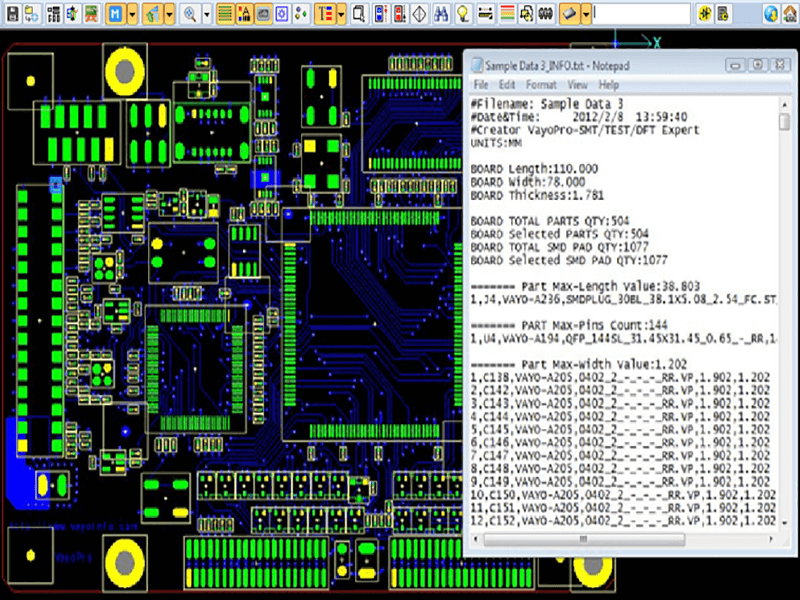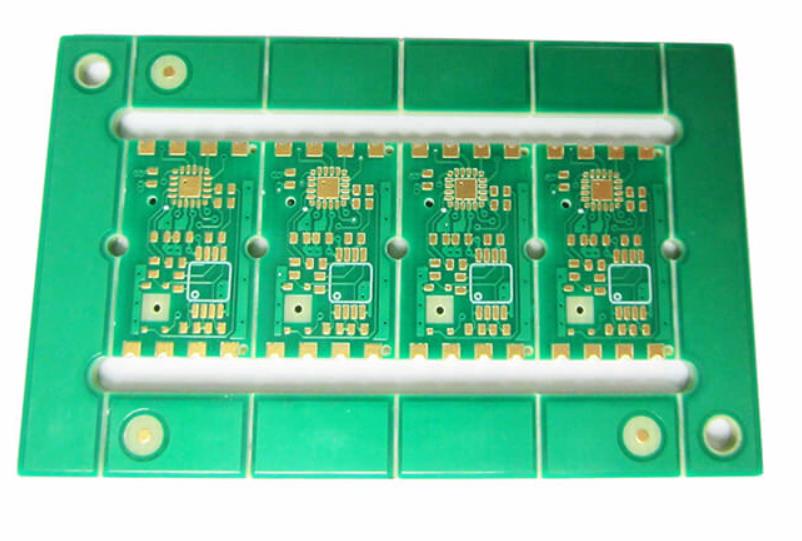
Analog and Digital Circuits: Where the Difference Shows Up in Layout The usual summary is that digital circuits handle zeros and ones while analogue circuits handle continuously varying signals. That is true and it stops well short of anything useful. The difference that matters on a board is not the…

SMT BOM Verification: Five Fields That Prevent Wrong Parts Wrong parts and lost components are the two most common production problems on an SMT line, and a large share of both are decided long before the line starts. They are decided in the bill of materials. A BOM that is…
DDR Routing Topology: Point to Point, T Branch and Fly-by A single memory device attached to a controller makes every net look like a point to point connection, and the layout rules are correspondingly simple. Add more devices or more ranks, and the nets stop being equivalent: the address and…
Crystal Oscillator Types: SPXO, TCXO, OCXO and VCXO Compared A bill of materials lists a frequency, and a substitute part with the same frequency is ordered. Sometimes the board boots, sometimes it starts intermittently, sometimes the frequency error grows with temperature, and sometimes the current consumption and warm-up time are…
CMRR vs Common Mode Gain: Why a High Number Still Moves Apply the same signal to both inputs of an amplifier, which is a purely common mode stimulus in theory, and the output still moves a little. The immediate conclusion is that the amplifier is not delivering the CMRR printed…
Reflection Coefficient: Magnitude, Sign and What It Predicts Saying that a load is not 50 ohms and will therefore reflect is correct and almost useless. The engineering question has two parts: how much comes back, and does the returning wave add to the incident voltage at that node or subtract…
Clamp Diode Protection: Where the Current Goes After It Conducts Two diodes on an interface, one to the supply and one to ground, look like a complete protection scheme on a schematic. An overvoltage is steered up to the rail and an undervoltage is steered down to ground, and the…
Light Load Ripple: When the DCDC Switches Into PFM Mode A power board that produces a tidy waveform under load suddenly shows bursts of switching followed by quiet intervals, and the output ripple grows in amplitude and drops in frequency. The usual reaction is to suspect the compensation, replace the…
Ground Bounce: Why Simultaneous Switching Moves the Reference A bus that works perfectly when one line toggles misbehaves when the whole group toggles at once. The ground net is continuous, the meter reads close to zero ohms, and the schematic shows every device sharing the same reference. The fault is…
The 3W Rule: What W Means and What It Does Not Guarantee The 3W rule is one of the few layout heuristics that almost everyone has heard of, and one of the few that is regularly applied as if it settled the question. Spacing traces at three times the trace…