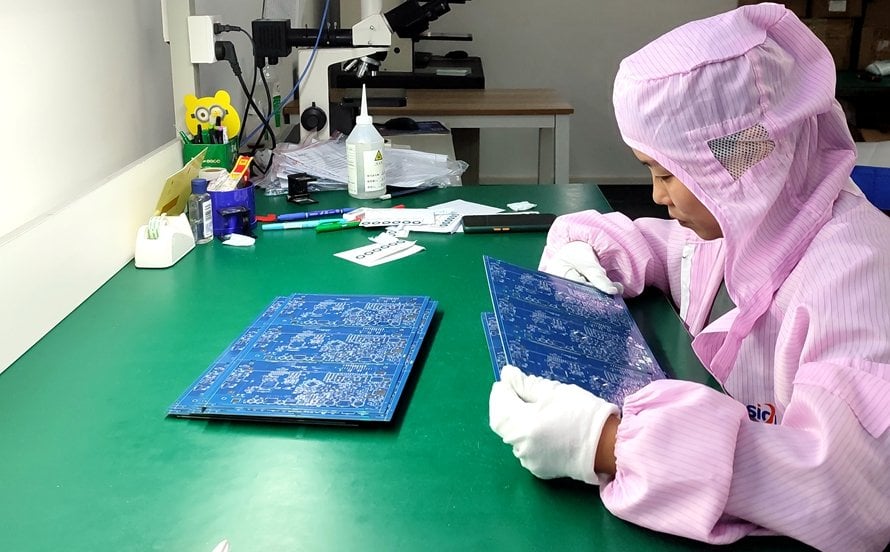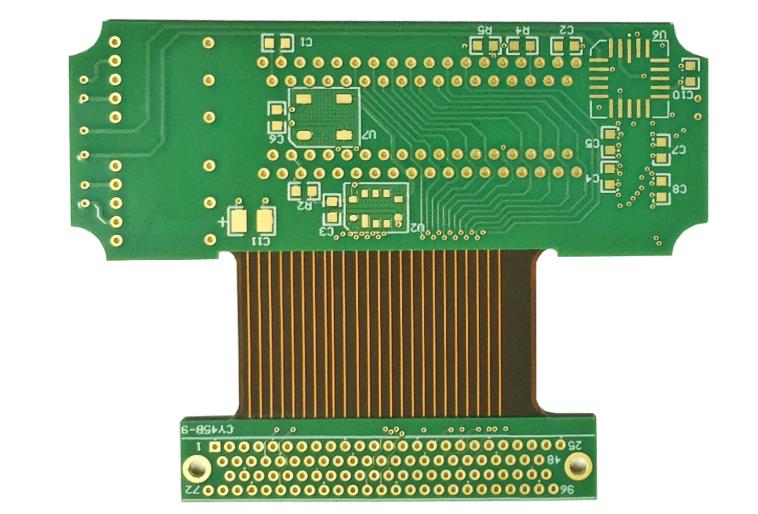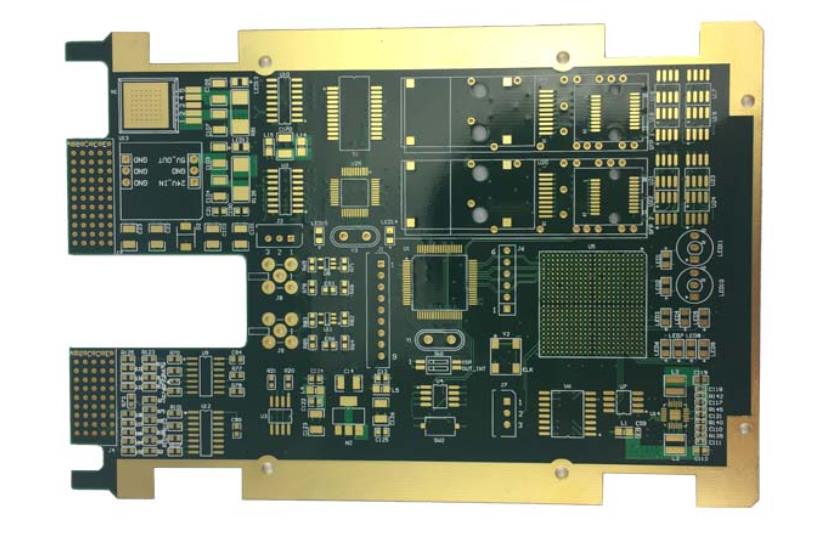
PCB Electroless vs Electrolytic Copper: Key Differences, Process Flow, and Quality Control Explained In PCB manufacturing, copper is the core conductive material. The traces, pads, vias, and interlayer interconnection structures on a PCB all rely on copper layers to achieve stable electrical connections. In actual PCB production, terms such as…
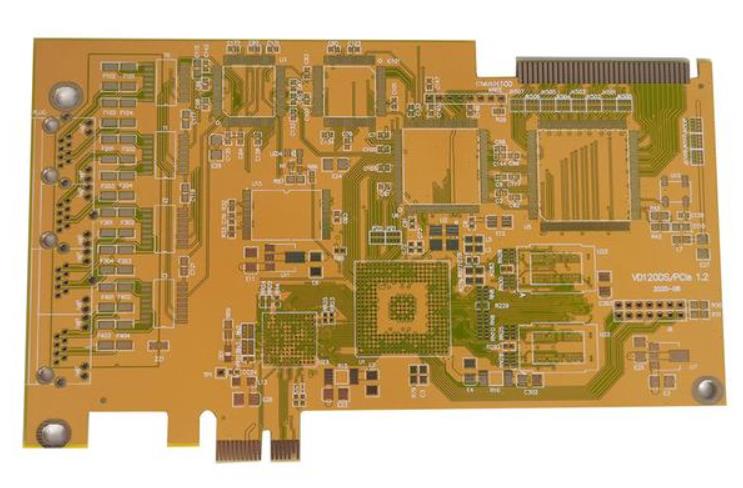
2026 Any-Layer HDI PCB Manufacturing Cost Breakdown: Price Factors, Influencing Elements & Cost-Saving Guide August 31, 2026 As electronic devices become smaller, faster, and more functionally integrated, traditional multilayer PCBs are increasingly challenged by limited routing space. Any-layer HDI PCB technology offers a solution by enabling high-density interconnections across multiple…
One-Stop PCB Urgent Service: Complete Solutions from Rapid Prototyping to Mass Production April 2, 2026 In today’s fast-evolving electronics manufacturing industry, “speed” has become a core competitive factor. Whether developing smart hardware, automotive electronics, or IoT products, the PCB production cycle directly impacts time-to-market and business opportunities. That’s why one-stop…
What Is Consignment PCB Assembly? A Complete Guide to Custom Consignment PCB Assembly with Fast Delivery In today’s rapidly evolving electronics manufacturing industry, speed, cost control, and supply chain flexibility are critical success factors. Whether you are a startup developing product prototypes or an OEM expanding production capacity, custom consignment…
High-Frequency PCB Manufacturing for Automotive Radar: Materials, Processes & Applications With the rapid development of Advanced Driver Assistance Systems (ADAS) and autonomous driving technology, automotive radar has become one of the most essential sensing technologies in modern intelligent vehicles. Compared with cameras, radar continues to work reliably in rain, snow,…
PCB Warpage in Manufacturing – Causes, Impact & Proven Solutions In PCB manufacturing, board flatness directly affects product quality, assembly efficiency, and long‑term reliability. With the trend toward higher density, miniaturisation, and high performance, PCB warpage has become a critical issue in design, fabrication, and SMT assembly. Whether in consumer…
PCB High‑Temperature Deformation – Causes, Impact & Prevention Strategies With the rapid growth of automotive electronics, industrial control, new energy systems, communication equipment, and high‑power electronics, PCBs must not only meet electrical performance requirements but also provide excellent mechanical stability and heat resistance. However, during PCB manufacturing, SMT assembly, and…
PCB Copper Weight and Trace Width – The Essential Design Guide for Engineers In PCB design, copper weight and trace width are two core parameters that directly affect electrical performance, thermal dissipation, current‑carrying capacity, and product reliability. Whether you are designing consumer electronics, industrial controls, power modules, or automotive systems,…
Non‑Standard PCB Cost Guide – Complete Pricing Breakdown & Estimation As electronics move toward miniaturisation, high performance, and customisation, the demand for non‑standard PCBs is growing rapidly. Unlike conventional boards, non‑standard PCBs often involve special shapes, unusual dimensions, exotic materials, high layer counts, or complex processes – leading to wide cost…
IQC, IPQC & FQC in PCB Manufacturing – A Complete Guide to Key Quality Control Stages In PCB manufacturing, product quality is not ensured by a single inspection step, but by a complete quality management system covering raw materials, production processes, and finished boards. Among these, IQC (Incoming Quality Control),…