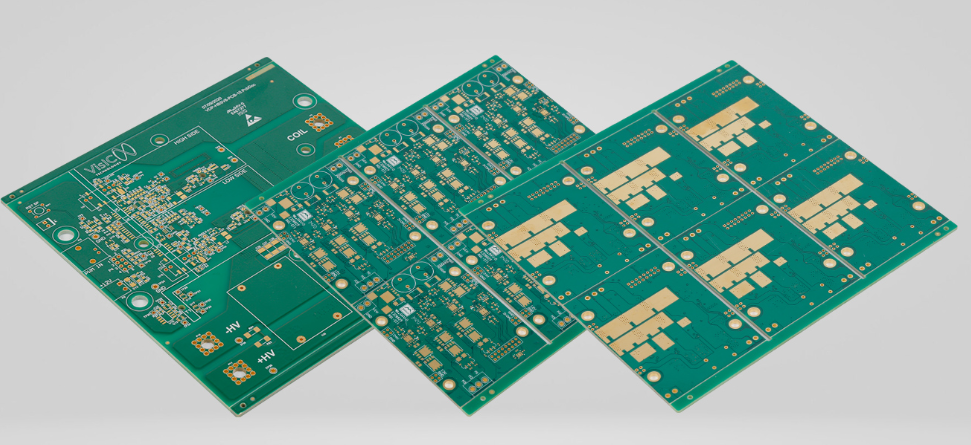
FR4 vs Polyimide PCB – Performance, Cost & Application Guide (2026) In PCB design and manufacturing, material selection directly determines product performance, cost, and reliability. The two most widely used substrates are FR4 (glass‑epoxy) and Polyimide (flexible high‑temperature material). FR4 is the standard rigid material due to its low cost…
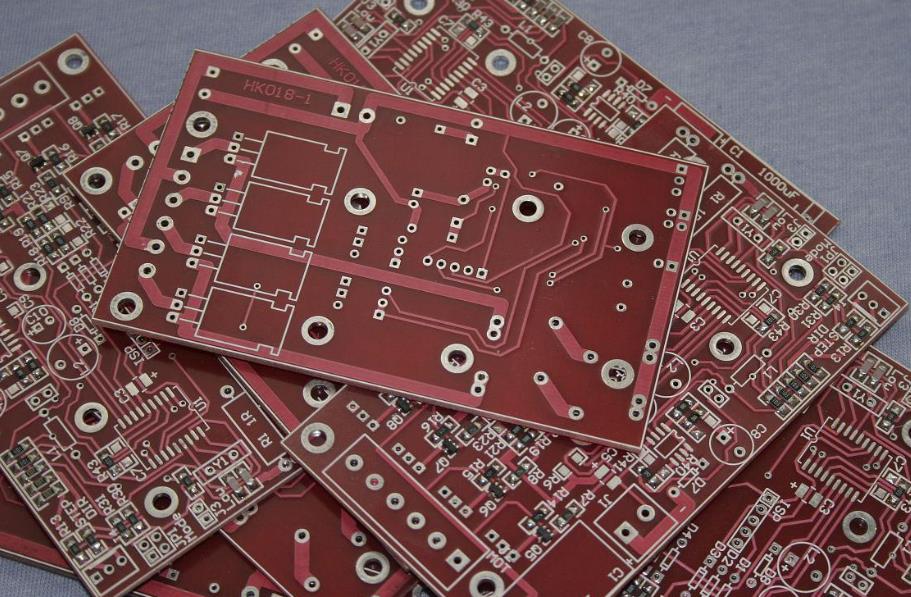
78-Layer Orthogonal Backplane PCB – Structure, Materials & Applications With the rapid advancement of artificial intelligence (AI), high‑performance computing (HPC), cloud data centers, and next‑generation communication networks, the demand for high‑speed interconnect architectures has never been greater. Traditional backplanes often struggle with signal loss, crosstalk, and thermal constraints when supporting…
2026 Computer PCB Pricing – Market Cost Breakdown & Key Factors With the growth of artificial intelligence (AI), high‑performance computing (HPC), cloud computing, edge computing, and industrial automation, PCBs for computer motherboards and computing platforms are facing ever‑higher performance demands. From standard PC motherboards to industrial computers, AI servers, and…
Custom PCB Test Fixture Manufacturing – Design, Fabrication & Testing Solutions With the rapid advancement of electronics towards higher density, miniaturisation, and performance, the quality requirements for PCBs and PCBAs have never been higher. Whether in automotive electronics, medical devices, industrial control, communications, or consumer electronics, every PCBA must undergo…
How to Choose the Right High Voltage PCB Substrate – Material Selection Criteria Explained With the rapid growth of new energy vehicles (EVs), energy storage systems, industrial power supplies, rail transit, medical equipment, and renewable energy inverters, high voltage PCBs have become a critical component in modern power electronics. Unlike…
PCB Dimensions Guide: Standard Sizes, Thickness, Tolerances & IPC Standards PCBs are the core carrier of modern electronic products – from smartphones and industrial control equipment to new energy vehicles, medical instruments, and AI servers, high‑quality PCBs are indispensable. During PCB design, many engineers focus on circuit schematics, component placement,…
Laser-Cut vs Electroformed PCB Stencils – Which Is Better for Your SMT Assembly? In modern Surface Mount Technology (SMT) manufacturing, the PCB stencil is a critical tool that determines solder paste printing quality and soldering yield. Stencil quality directly affects paste deposition, solder joint consistency, production efficiency, and long‑term reliability…
2026 Hybrid Multilayer PCB Cost Guide – Latest Pricing & Key Factors With the rapid growth of AI servers, 800G/1.6T switches, 5G base stations, automotive millimeter-wave radar, satellite communications, and high-speed data centers, hybrid multilayer PCBs have become the mainstream solution for high-frequency, high-speed electronic designs. Compared to traditional FR4…
Castellation PCB Cost Analysis 2026 – How Materials, Layer Count & Process Affect Pricing With the rapid growth of IoT, wireless communication modules, smart home devices, medical electronics, and industrial control equipment, castellation PCBs (also known as stamp-hole or half-hole PCBs) have become a critical enabler for modular electronic products.…
FR4 vs Rogers PCB for RF Modules – Which Material Is Better for Your RF Product? With the rapid development of wireless technologies such as 5G, Wi-Fi 6/7, Bluetooth, LoRa, Zigbee, GPS, automotive millimeter-wave radar, and satellite communications, RF modules demand increasingly stringent PCB materials. For RF module design, the…