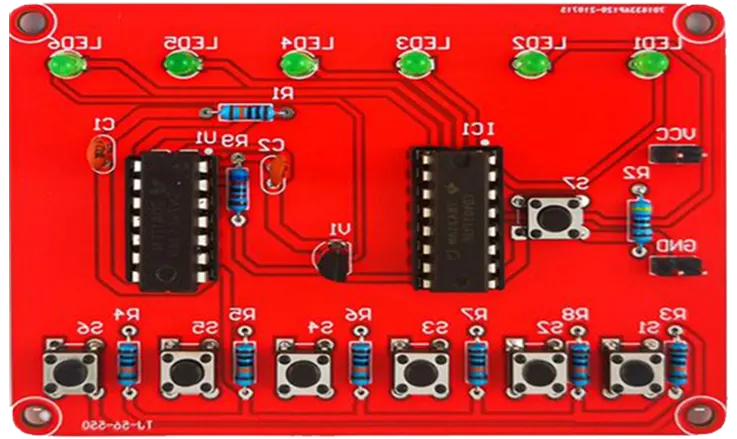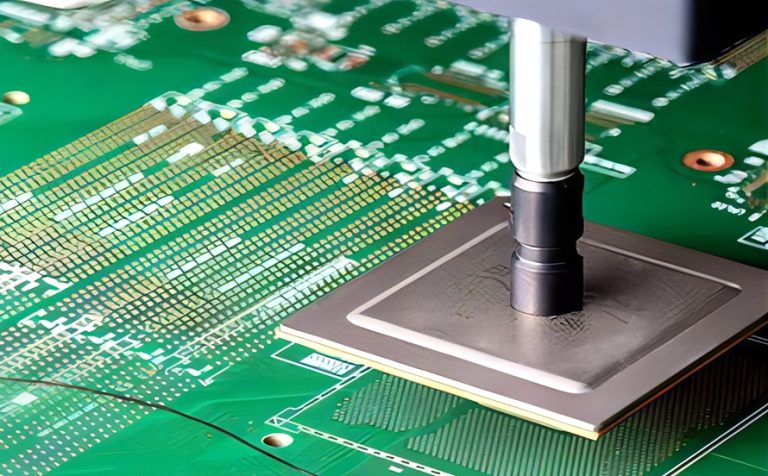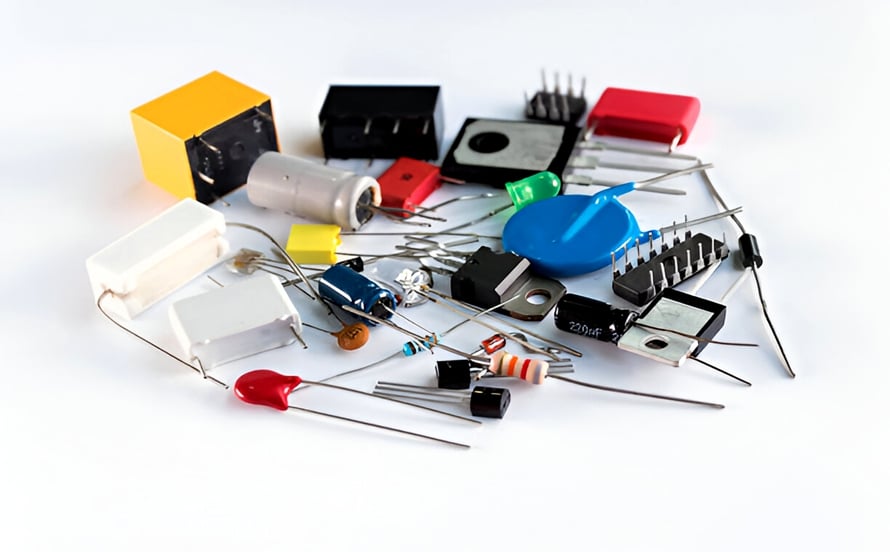
Electronic Manufacturing Process: 10 Key Steps Explained A working electronic product passes through many hands before it ships. The design leaves engineering, becomes a bare board, receives components, gets programmed and tested, then goes into an enclosure. Each handover carries its own risks. This guide walks through ten stages in…
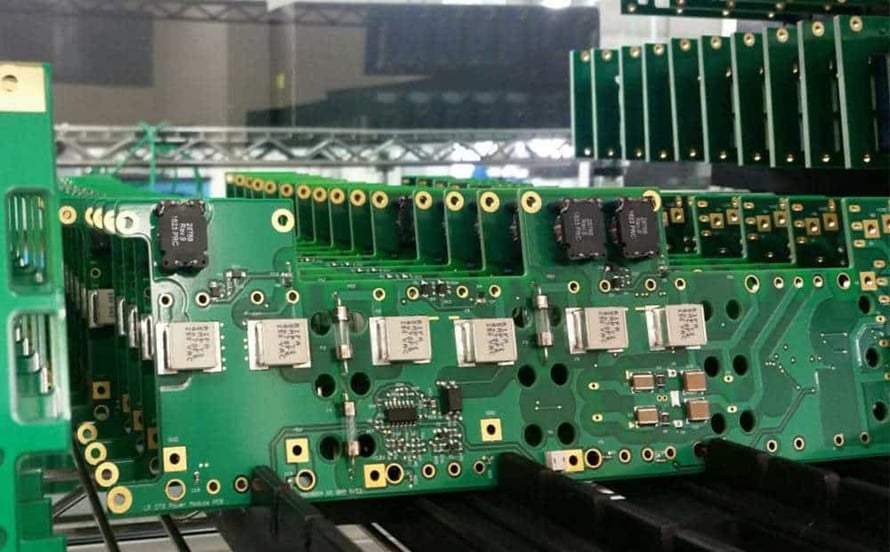
PCB Assembly Process: 8 Essential Steps Explained A reliable board leaves the factory because eight stages agree with each other, not because one machine is fast. The workflow starts with engineering review and ends with protected packaging, and every step feeds the next. Buyers who understand the sequence can ask…
PCB Manufacturing Process: Step-by-Step Fabrication A bare board leaves the factory only after many controlled steps have each done their job. The PCB manufacturing process turns design data and copper-clad laminate into a finished printed circuit board. Layer count, material, copper weight, via technology and performance needs all change the…
Free PCB File Check and DFM Analysis Before Build A PCB can be electrically correct and still be hard to manufacture. Gerber files may look clean while drill data, stack-up notes and solder mask layers disagree. A free PCB file check catches those gaps before tooling starts. The review compares…
PCB Assembly Capabilities for SMT THT and Turnkey PCBA A buyer comparing assembly suppliers needs more than a service list. The real question is how each process is controlled, which checks are recorded, and what happens when a parameter drifts. This review sets out the capability areas that matter for…
Medical PCB Manufacturing for Reliable Devices Medical electronics need boards that hold their electrical behavior over years of use. A monitor, analyzer or surgical console may run every day in a clinic, so a small process drift becomes a field failure. This review sets out how medical PCB work is…
Radar PCB Manufacturing for High-Frequency Use Radar boards carry signals where small physical changes become large electrical effects. A trace width shift, a dielectric thickness variation, or a rough copper surface can disturb impedance and raise loss. Buyers and engineers therefore need to judge a radar PCB manufacturer on process…
Amplifier PCB Manufacturing for Stable Signal and Power An amplifier board fails for reasons that rarely appear on the schematic. The circuit may be correct, yet noise, drift or heat can still spoil the output once the copper is etched. Amplifier PCB manufacturing therefore starts with the physical layer, not…
Sensor PCB Manufacturing and Assembly Control A sensor board turns a physical condition into an electrical signal that a processor can trust. Temperature, pressure, motion, light, and humidity all reach the circuit through a sensing element and a conditioning chain. The board carries the analog front end, the converter, the…
Control PCB Manufacturing for Custom Control Boards A control board carries the logic that runs a machine, an appliance, or a vehicle system. It reads inputs from sensors, processes them, and drives outputs such as relays, motors, and displays. The board must hold that behavior stable across temperature swings, vibration,…