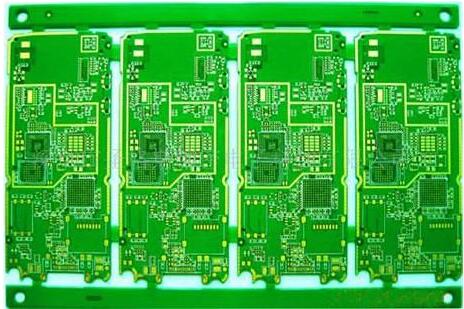
As smartphones, tablets, and other mobile electronic devices continue to become smaller, thinner, lighter, and more portable, the available space inside their mainboards is becoming increasingly limited. At the same time, consumers expect these devices to provide more functions and higher performance. This trend has increased demand for HDI PCB…
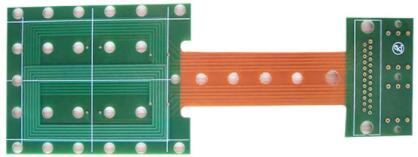
The global electronics industry has been facing significant supply chain pressure due to a combination of the Chip Shortage, rising raw material costs, and limited production capacity. Among the most visible impacts are rapidly increasing LCD panel prices, higher manufacturing costs, and shortages of finished electronic products. The situation has…
PCB Cleaning is an essential part of the PCB Manufacturing Process. During PCB fabrication, boards pass through multiple manufacturing stages that can leave behind dust, oxides, drilling residues, oil, fingerprints, metal particles, and other contaminants. Proper cleaning is therefore critical for maintaining surface cleanliness, improving coating and plating adhesion, preventing…
As automotive electronics continue to evolve toward higher levels of driver assistance and automated driving, radar has become an important sensing technology for modern vehicle safety systems. Advanced Driver Assistance Systems (ADAS) increasingly rely on radar, cameras, LiDAR, and other sensors to monitor the vehicle’s surroundings and provide information for…
As signal speeds continue to increase, selecting the right PCB Materials has become increasingly important for high-speed and high-frequency electronic systems. When signals operate at sufficiently high data rates or frequencies, the electrical characteristics of the PCB substrate can directly affect signal integrity, transmission loss, timing, and overall system performance.…
As electronic systems become faster, smaller, and more highly integrated, High-Speed PCB Design has become an essential part of modern electronic engineering. High-speed design is not determined simply by the nominal frequency of a digital signal. In many cases, the signal rise time, interconnect length, propagation delay, and electrical behavior…
As electronic products continue to become smaller, smarter, and more highly integrated, Double-Sided PCB assembly is increasingly important in modern electronics manufacturing. Advanced products often need to accommodate a large number of components and functions within a limited space, making both sides of the circuit board available for component placement.…
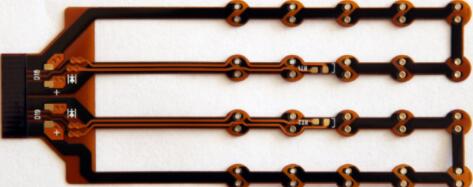
The basic principles of Flexible PCB Assembly are similar to those used for rigid PCB assembly. However, the flexible nature of FPC materials introduces additional requirements for handling, positioning, soldering, inspection, and mechanical reliability. During production, manufacturers select appropriate assembly processes according to the structure of the flexible circuit, component…
China has become one of the world’s major centers for Electronic Product Manufacturing, supported by a mature electronics supply chain, extensive manufacturing capabilities, and a large pool of engineering and production resources. Within this ecosystem, the PCB industry has developed rapidly to support increasingly diverse applications. As electronic products continue…
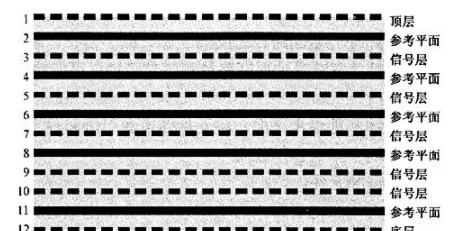
Multilayer PCB technology is widely used in high-speed and high-performance electronic systems because it provides greater routing density, better power distribution, and improved electromagnetic performance. As electronic products become smaller and faster, PCB designers must carefully control signal return paths, impedance, crosstalk, power integrity, and electromagnetic compatibility. A well-designed multilayer…